



In daily life, screens are becoming increasingly intelligent, equipped with sensing and responsive capabilities to provide real-time feedback to human actions.
From the mobile phones we swipe with our fingertips, to the self-ordering tablets in cafes, and the giant digital screens guiding directions in shopping malls, such interactions are ubiquitous in life.
In advertising scenarios, such interactions are also taking place all the time—users can interact with ads through touching and clicking. The interactive experience centered on touch technology is the key to this transformation.
Part 1: The "Sensory Nerves" of Screens
A display screen itself is just a passive canvas responsible for presenting colors and content. Its interactive sensing capability entirely relies on an externally added touch module.
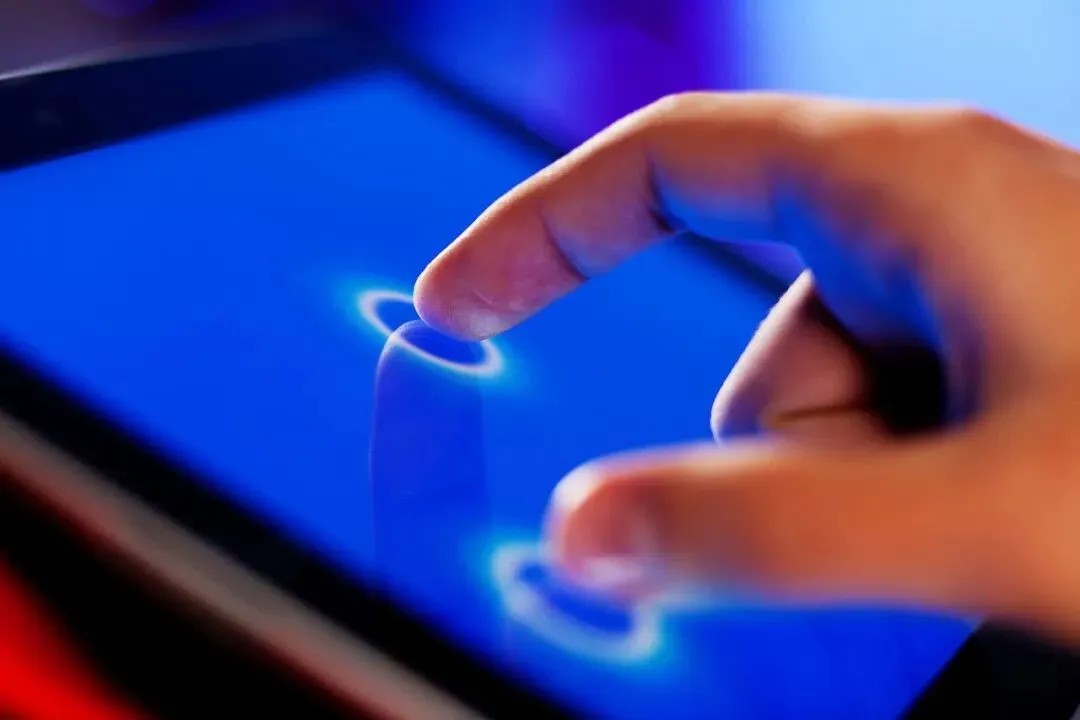
Currently, mainstream touch technologies mainly fall into three categories: electric field sensing, pressure conduction, and light path interruption.
Capacitive Touch: Sensitive Electric Field Sensing
A layer of transparent conductive material is attached to the screen surface. When a finger touches it, a tiny electric current is drawn from the contact point.
Imagine the screen as a calm water surface. When a fingertip gently touches the water, it disturbs the balance of that area, creating tiny ripples. The touch position is determined by capturing the center point of these ripples.
Resistive Touch: Dependent on Pressure Conduction
The structure of a screen using this touch technology is like a sandwich: the upper layer is a conductive film, the lower layer is conductive glass, and the two are separated by tiny spacer dots.
When pressure is applied to touch the screen, it is like pressing a light switch—the top film depresses and touches the lower glass, forming an electric current loop. The controller calculates the touch area by measuring changes in voltage.
Infrared Touch: Interaction Realized via Light Path Interruption
Infrared touch technology can be compared to a spider web spread over the screen surface. When an object touches the screen, it is like an insect hitting the web—the light beams at the touch point are instantly interrupted. The exact position is quickly located through the interrupted light paths.
Part 2: How to Choose the Right Touch Technology?
In most advertising screens, touch interaction is still an enhanced optional feature rather than a standard configuration.
Whether to equip a screen with touch function mainly depends on the usage purpose: it is a key tool in interactive scenarios that require guiding user participation; in communication scenarios focused on one-way display, it gives way to more basic display functions.
For interactive scenarios, the core factors in choosing a touch technology are screen size, usage scenario, and cost considerations.
Clarify the Screen Size Range
Large-sized screens mostly adopt infrared touch technology. Its advantage lies in strong size scalability—increasing the screen size only requires extending the frame, rather than redesigning the entire sensing layer, which solves the touch problem of large-sized screens.
Small and medium-sized screens, which are operated with fingers or styluses, prioritize millisecond-level response speed, and the choice is mainly between capacitive and resistive technologies.
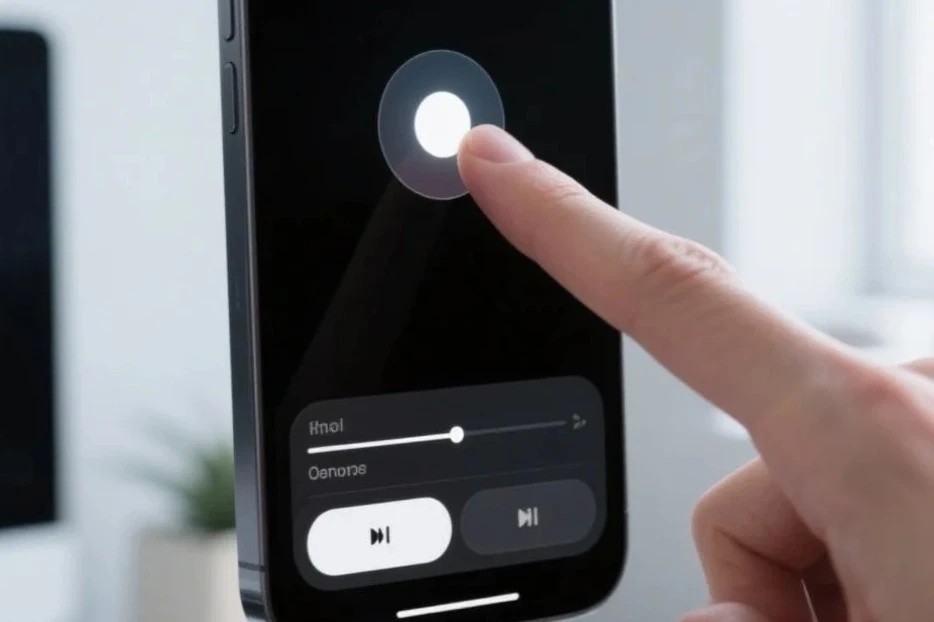
◎ Small-sized smartphones and tablets mainly use capacitive touch technology.
Evaluate Specific Usage Scenarios
Outdoor environments are almost the exclusive domain of infrared touch technology, thanks to its unique structural advantages: all electronic components are sealed within the frame, meaning it can withstand harsh outdoor conditions.
Indoor environments follow a different logic. Without the threat of sun exposure and rain, visual experience and interaction fluency become top priorities, allowing the high sensitivity of capacitive technology to be fully utilized.
In environments such as industrial control and medical equipment, resistive technology is the preferred choice for many industrial scenarios due to its simple structure and strong environmental adaptability.
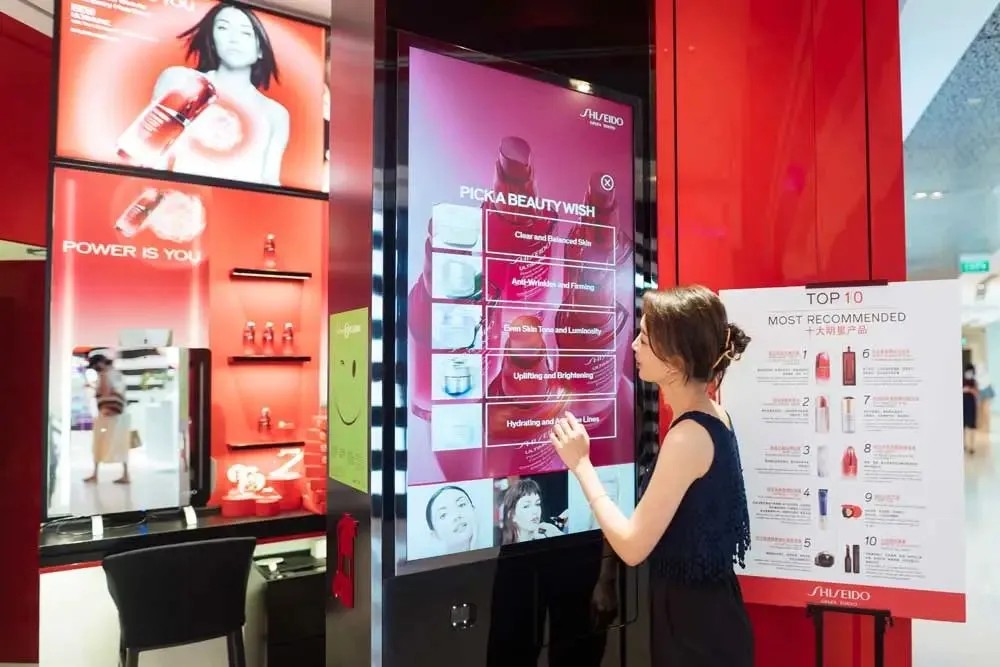
◎ In retail counters, product exhibition stands, or high-end stores, capacitive touch screens provide a smooth experience similar to that of smartphones.
Control Budget Costs
In the cost hierarchy of touch technologies, resistive screens occupy the most economical low-end segment, with their cost advantage stemming from an extremely simple physical structure.
The cost of capacitive touch screens has an exponential relationship with size—the larger the screen, the greater the area the touch signal needs to cover, leading to a sharp increase in cost.
Infrared technology is the exact opposite—its cost advantage becomes more prominent as the size increases. Extending the frame and proportionally increasing the number of infrared transmitter-receiver pairs is all that is needed; the core controller and algorithms can be fully reused, achieving optimal cost scalability.
There is no best touch technology, only the most suitable solution for the scenario.
For indoor environments, if pursuing ultra-low costs for small and medium-sized screens, resistive technology is the first choice; if pursuing a better user experience, capacitive technology is preferred; for large-sized interactive screens in outdoor scenarios, infrared technology offers the highest cost performance.
Part 3:Making Screens "Communicate"
From a marketing perspective, traditional advertising is one-way, built on a model of exposure, repetition, and persuasion. Its effectiveness depends on the attractiveness of the content and the coverage of the media.
The introduction of touch technology has completely rewritten this script, enabling advertising to build a new paradigm of two-way communication.

Making "Fun" Designable
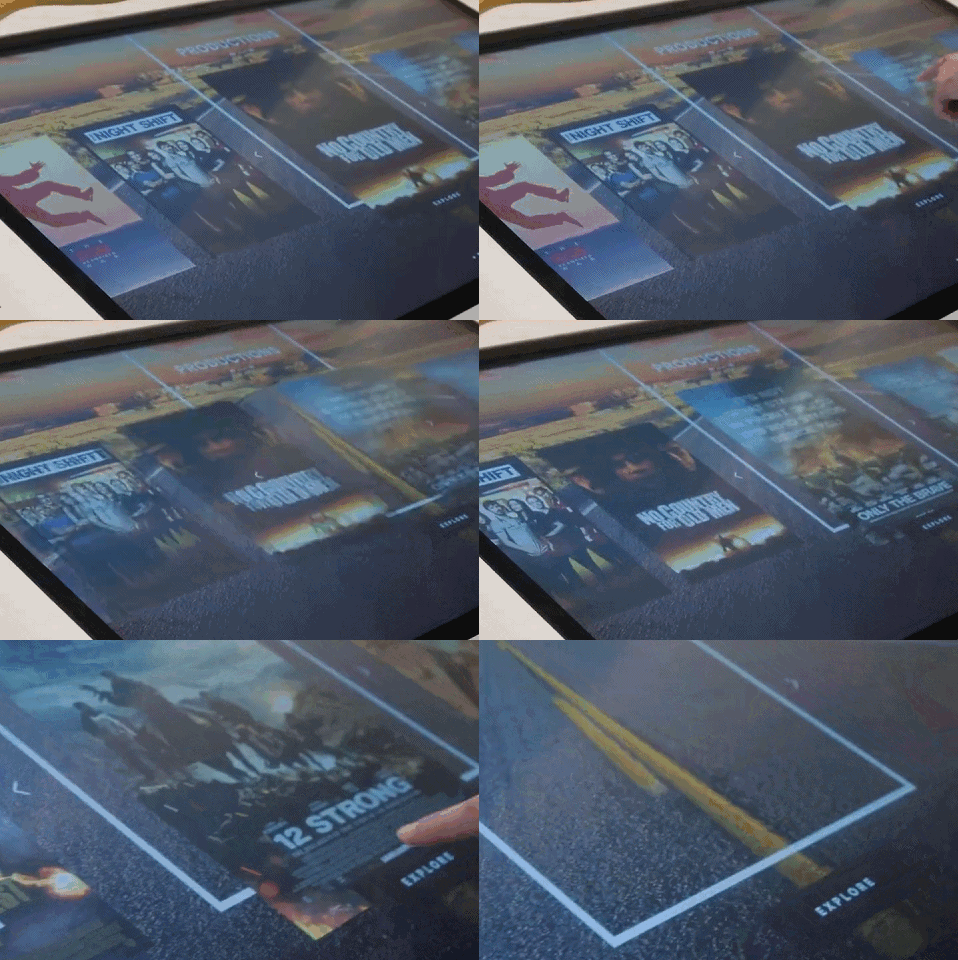
The interactivity of touch technology brings more gameplay to in-store scenarios—for example, transforming brand experiences into simple game mechanics.
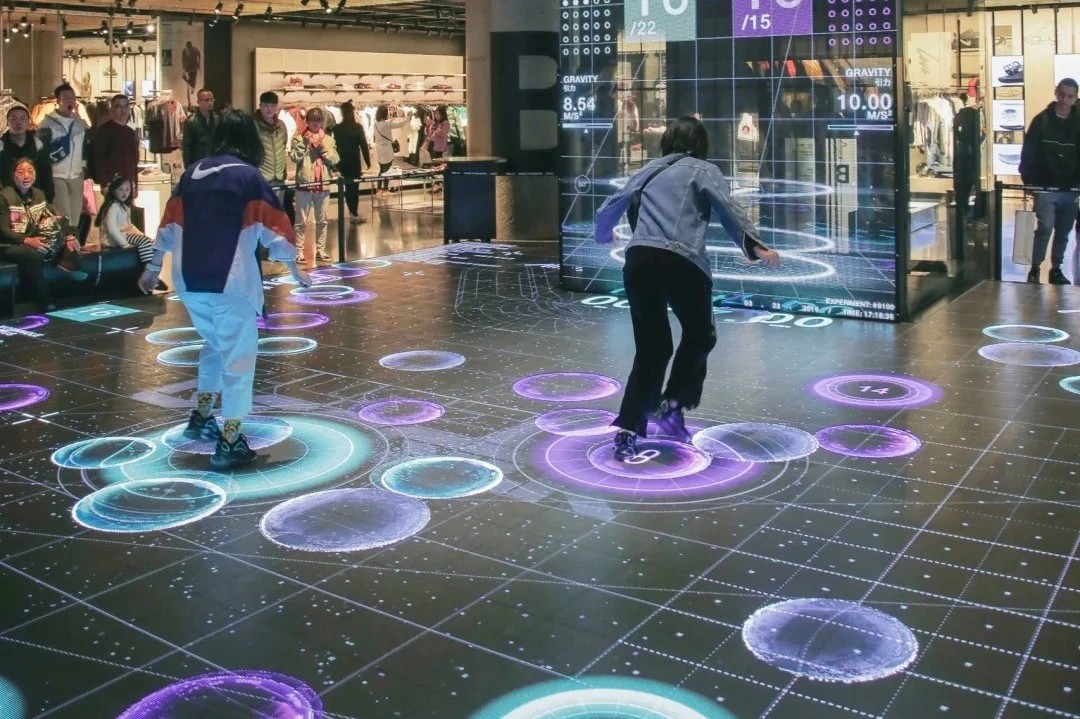
In a sports brand store, a rhythm jumping game can be set up on the screen. Users touch the "floor" according to the light spots, and naturally experience the lightness and sensitivity of the products during the challenge.
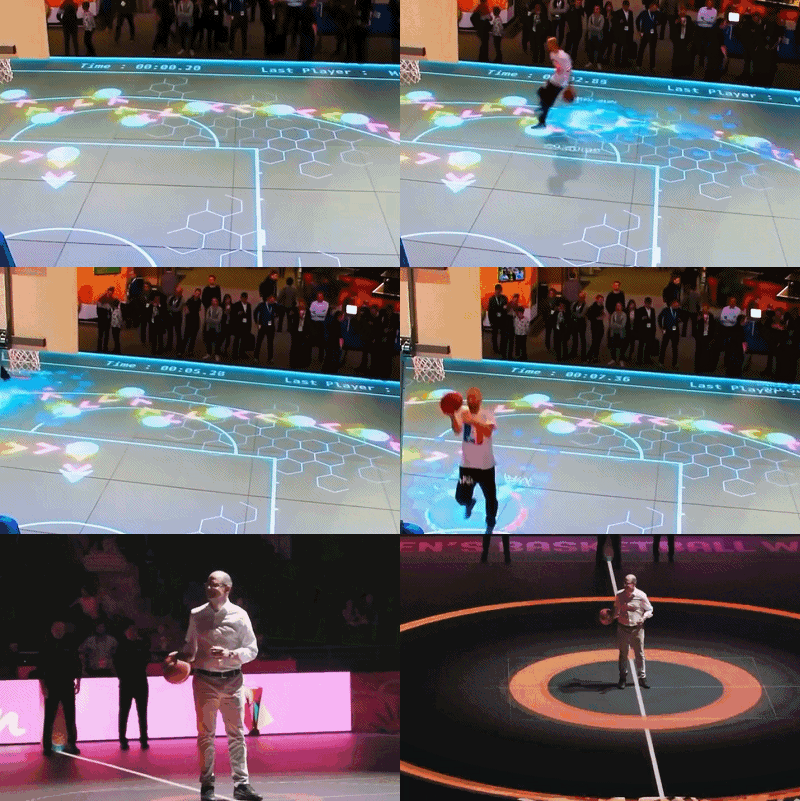
Such interactive designs upgrade the screen into a medium that provides experiences. Fun no longer relies on screen content, but is rooted in the joy brought by the interaction itself.
Shortening the Distance with Users Through Interaction
While traditional advertising describes products through images, forcing users to understand them through imagination, interactive advertising allows users to directly experience product selling points through actions, converting abstract concepts into sensory feedback.
In terms of marketing effectiveness, this vivid form of expression also shortens the psychological distance between the brand and users. In users' perception, the brand is no longer an elevated entity making promotions, but a partner they can "play" with.
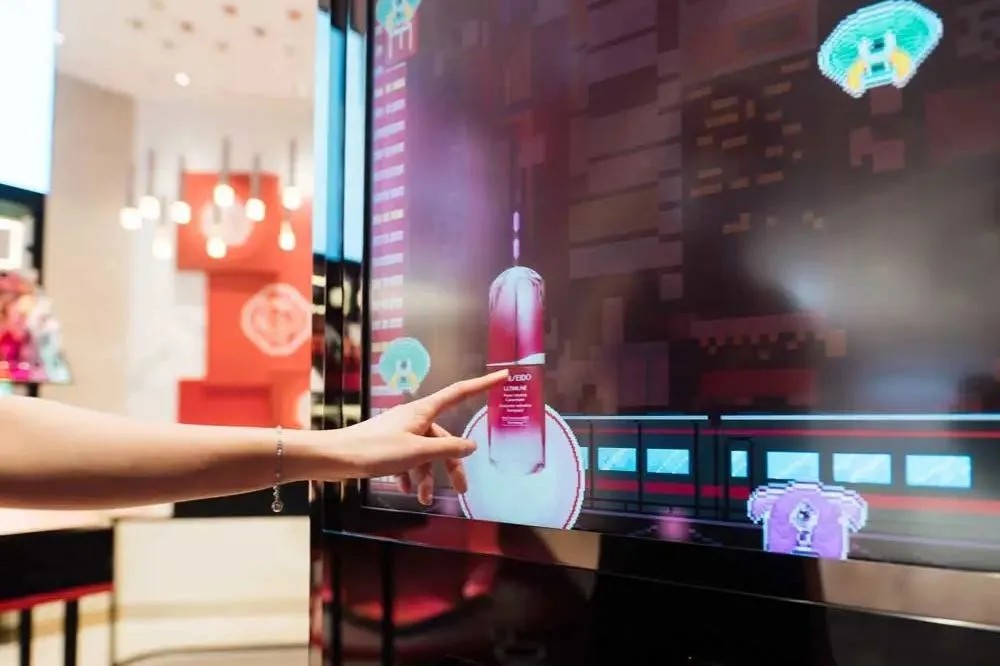
◎ Shiseido's offline stores launched an intelligent beauty challenge, using gamified interactive screen devices to let users learn skincare knowledge and enhance their favorability toward the brand.
Although touch technologies are based on different principles, they play similar roles—acting as the sensory interface that receives communication signals in the process of brand-user interaction.
The introduction of this technology enables screens to provide real-time feedback and brings a new transformation to the form of advertising. Interactive creative ads encourage users to actively enter preset scenarios, turning one-way information transmission into an engaging two-way interactive experience.