


In the wave of digital transformation, faded paper posters at storefronts have long lost their appeal. Replacing them are digital signage displays—dynamic screens capable of playing high-definition video and updating promotions in real-time.
However, during procurement, many business owners are overwhelmed by technical jargon. The most frequent question is: "Should I choose LCD or LED?" Although only one letter apart, the performance and ROI differ significantly. Here is a practical guide to help you select the perfect screen for your business.
1. Core Differences: Beyond Just "Brightness"
In simple terms:
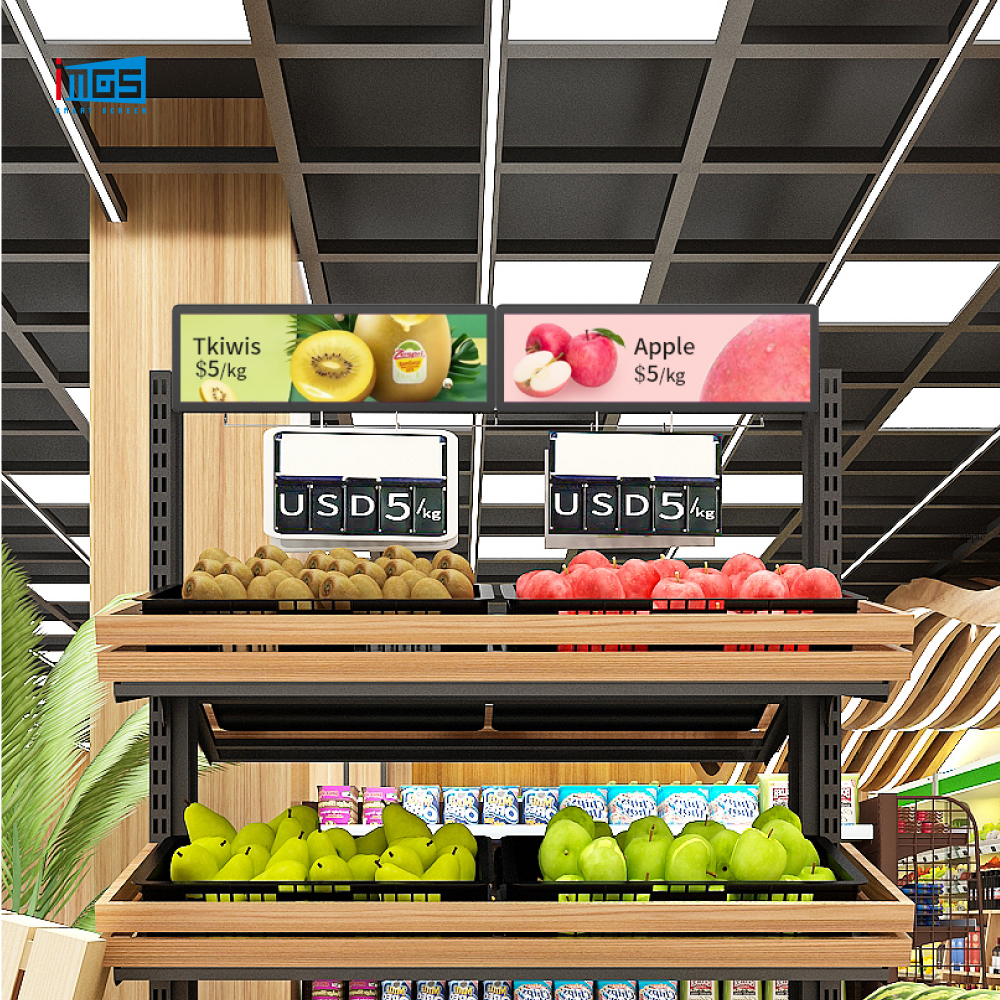
LCD (Liquid Crystal Display): Similar to a high-end home TV. It offers ultra-high resolution and fine detail, making it perfect for close-up viewing.
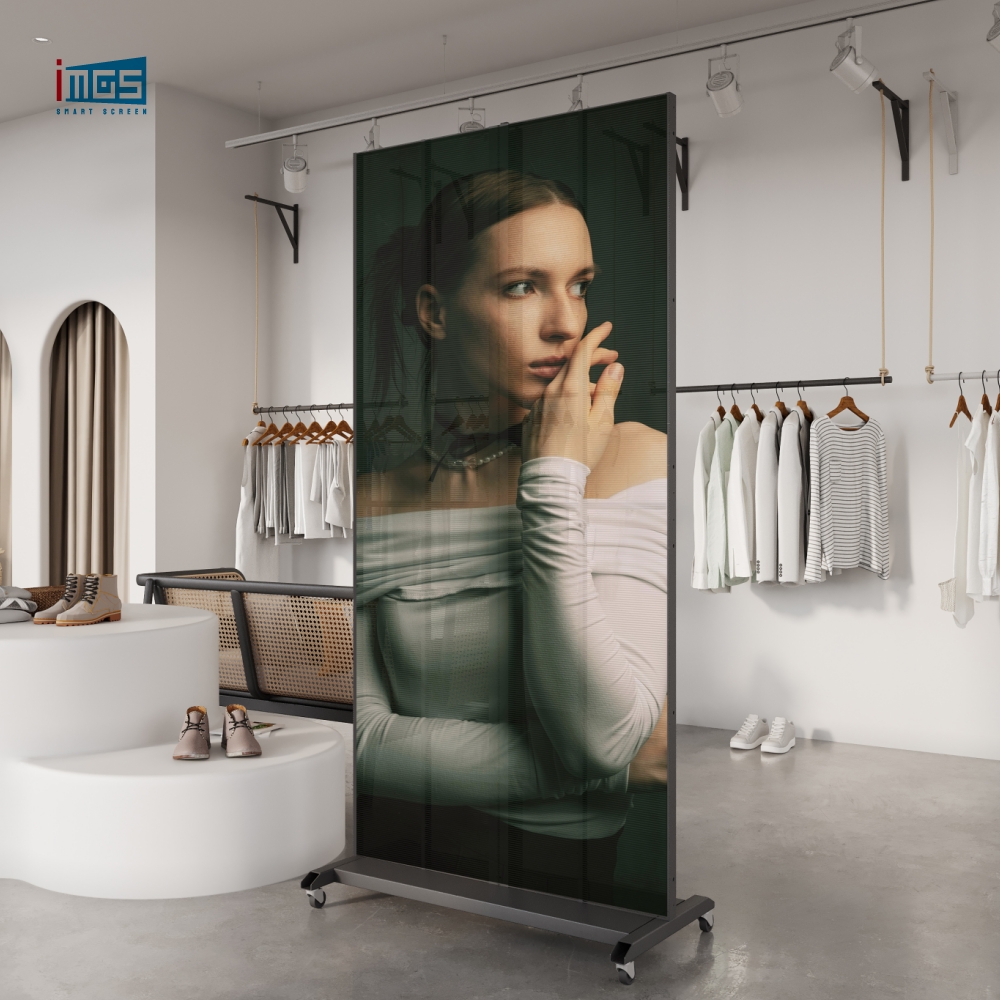
LED (Light Emitting Diode): Composed of thousands of tiny light bulbs (SMDs). It offers extreme brightness and seamless splicing, making it ideal for long-distance or outdoor viewing.
2. Scenario Comparison: Which One Are You?
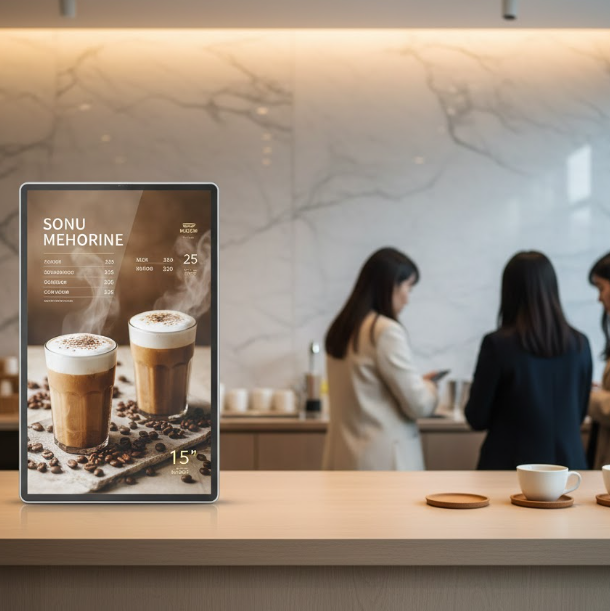
Scenario A: Boutique Cafes or Apparel Stores (Indoor, Close-up Viewing)
The Pain Point: Customers queue right in front of the counter, only 1–2 meters from the screen.
Recommendation: LCD Digital Signage
Why: LCD has a much higher pixel density. If you use LED at this distance, the image will look "grainy," and customers might even see the individual light beads.
Example: The digital menus behind the counter at Luckin Coffee use LCD screens. They clearly display the texture of the foam and fine text about coffee bean origins, using high color accuracy to stimulate the customer's appetite.
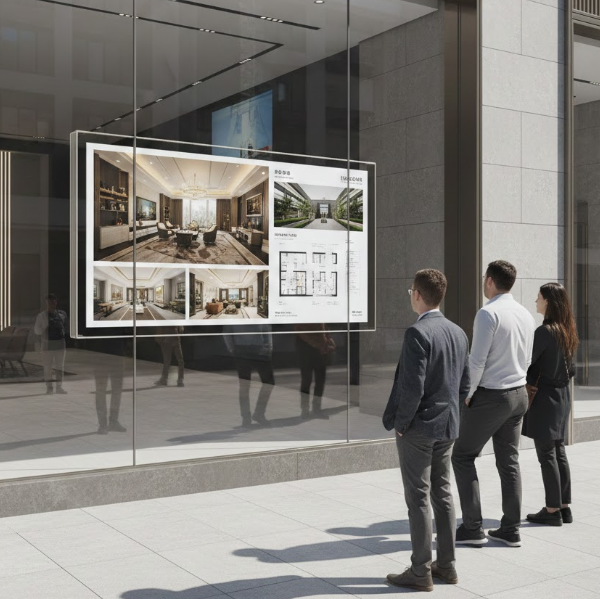
Scenario B: Restaurants or Real Estate Agencies (Window Displays)
The Pain Point: Direct sunlight makes standard screens unreadable due to glare.
Recommendation: High-Brightness LCD or Fine-Pitch LED
Why: Brightness is king here. A standard home TV is only 250–300 nits, whereas commercial high-bright LCDs reach over 2,000 nits to remain visible in sunlight.
Example: High-end real estate agencies use high-bright LCDs in windows so passersby can read property listings even at noon. For massive windows, Transparent LED screens are a trendy alternative that doesn't block indoor natural light.
Scenario C: Mall Atriums or Flagship Store Facades (Large Scale, Far Distance)
The Pain Point: The area is massive (over 5 square meters) and requires a "wow" factor.
Recommendation: LED Video Wall
Why: LCDs have bezels (frames); when you tile them together, you see "black lines." LED panels can be spliced seamlessly. For large-scale installations, LED is more cost-effective and visually impactful.
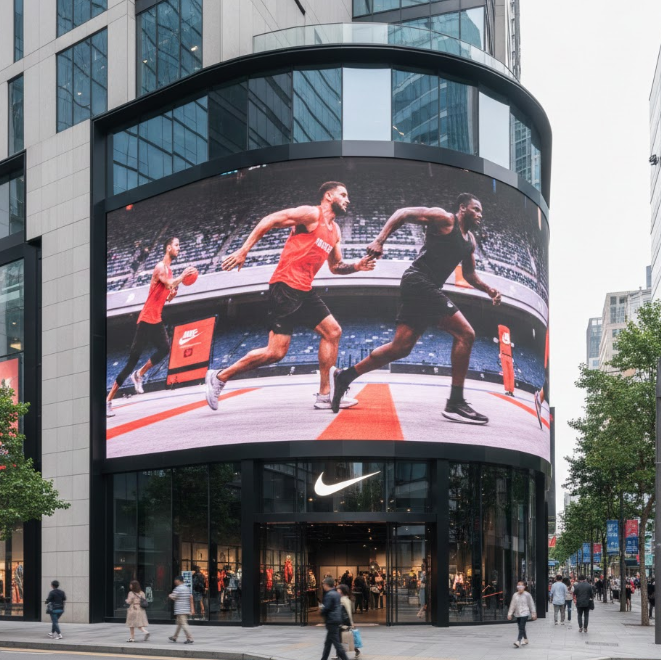
Example: The giant motion displays on a Nike Flagship exterior are always LED. They grab attention from hundreds of meters away—an impact LCD simply cannot match.
3. Buyer’s Decision Checklist
To ensure your investment pays off, ask yourself these three questions:
What is the viewing distance? Under 3 meters? Choose LCD. Over 5 meters? LED is your best bet.
What is the lighting environment? Standard indoor light? LCD. Direct sunlight or outdoors? High-bright LCD or LED.
What is the budget and size? For small-to-medium areas (55–86 inches) with a modest budget, choose LCD. For massive, seamless "wow" displays, go for LED.
Why Partner with iMGS?
As a practical manufacturer deeply rooted in digital display design, iMGS possesses keen commercial insight. We don't just provide hardware like LED, LCD, and Transparent screens; we offer a total solution. Through our proprietary operating system, we create immersive visual environments for the retail and advertising sectors.
With successful cases across hundreds of shopping malls and brand stores, we know that a great display isn't just a screen—it’s a sales engine.
Don't just look at the specs. Before you buy, we strongly recommend a physical demo. Observe how the screen performs under your store’s actual lighting.
Contact iMGS today 👇👇👇! Let us provide a one-on-one professional assessment and a customized display solution tailored to your store’s unique needs.