

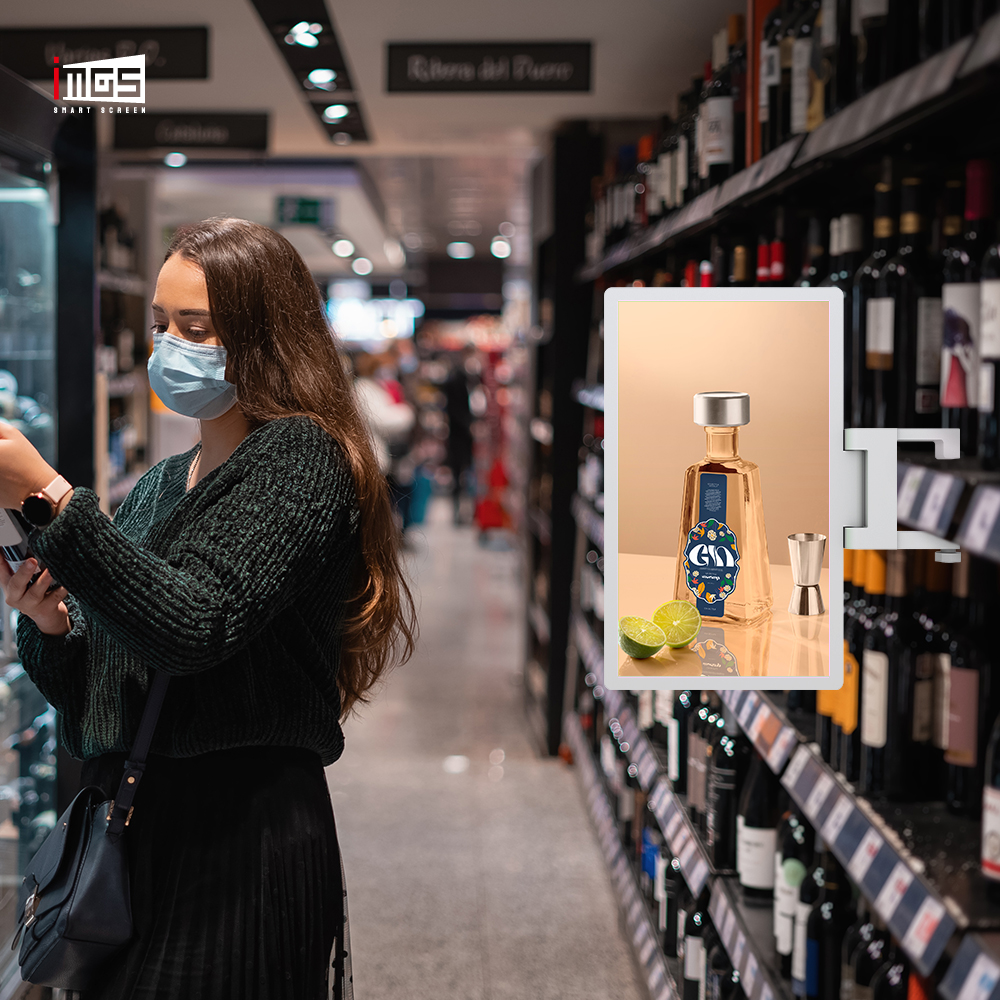

Screens are not new to the beauty industry. Many stores choose to use screens to display information, allowing users to feel the wonderful texture of the products through the screen. With the upgrade of the experience of beauty stores, beauty brands are exploring the application of screens. In addition to display functions, they are also paying more and more attention to its more possibilities in experience, interaction, service and content construction.
1. What kind of screen is good?
Beauty stores need screen embellishment, but not all screens are suitable. This is due to the trendy nature of beauty itself. The visual effects in the store must be fashionable and outstanding, which places very high requirements on the screen.
The delicate picture quality of the screen is the first priority. If the picture quality is blurred, not only will the details of the product be missing and the publicity effect will be greatly reduced, but it will also make customers feel that the brand lacks professionalism. When the screen has a higher resolution, it can accurately display the details, colors and textures of beauty products, and present the subtle differences between products. Customers can judge whether the product is suitable for them through the pictures on the screen.
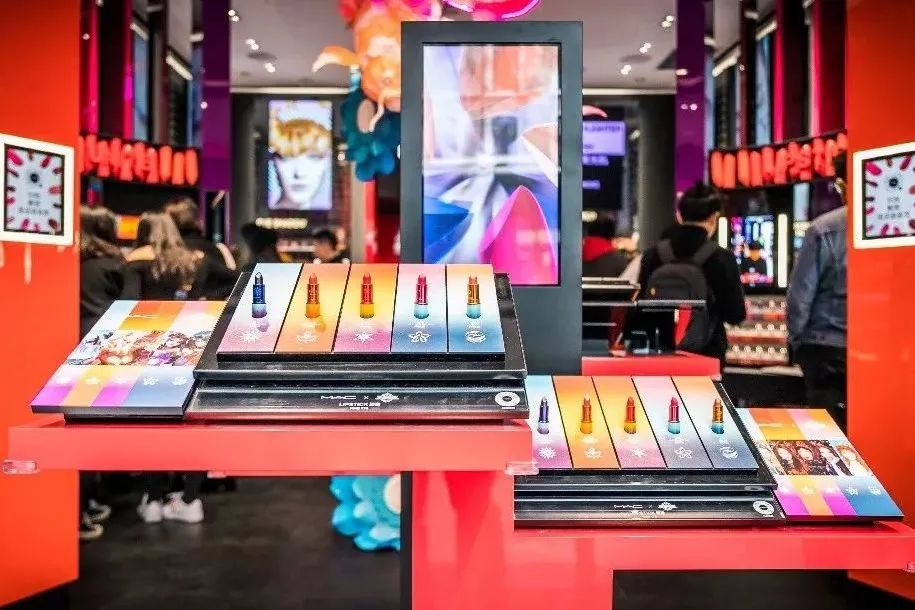
Secondly, the core of beauty is color, which requires the screen to accurately restore the true color of cosmetics to avoid chromatic aberration causing customers to misunderstand the product. Especially for cosmetics such as foundation, eye shadow, lipstick, etc., their colors often directly affect consumers' willingness to buy.
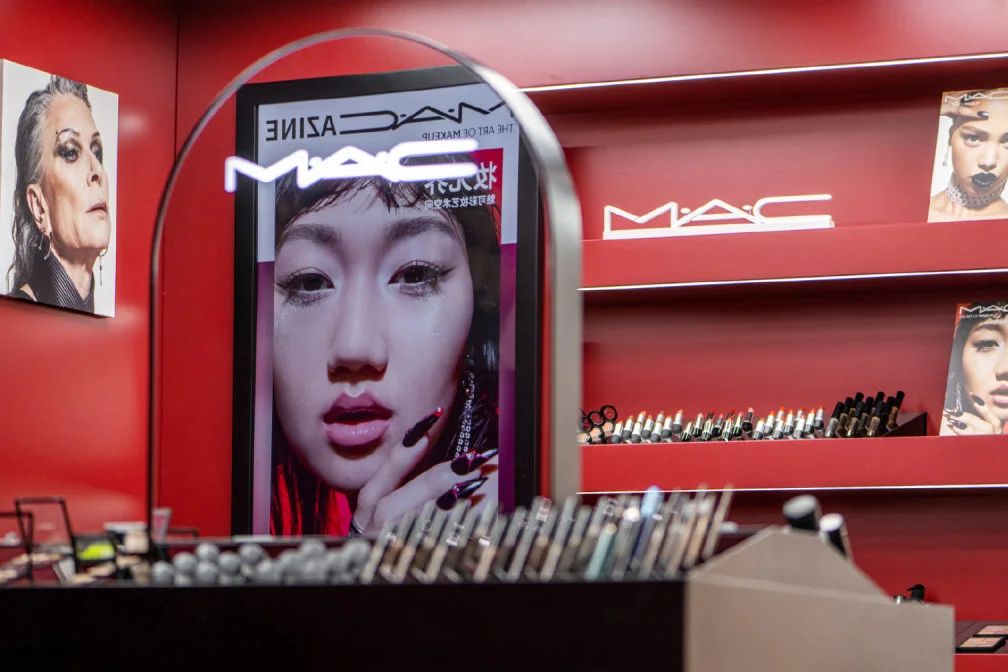
The space of beauty stores is usually compact, and large-size screens will take up too much space, which requires the size of the screen to be flexible and can be flexibly selected according to the actual store layout to effectively display information in a limited space. High-resolution image quality, accurate color reproduction, and flexible screen size, these three requirements can be regarded as the entry threshold for beauty store screens.
2. What are the common screens in beauty stores?
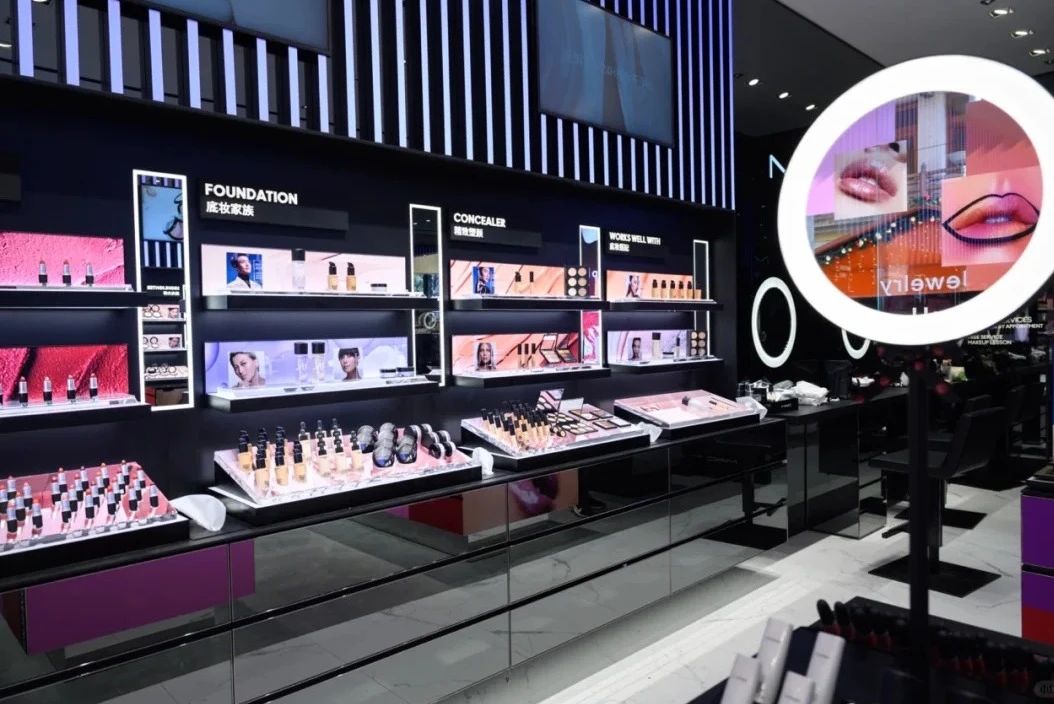
The market is an invisible big hand, and the market has already made a choice early on what type of screen is more suitable for beauty stores. In beauty stores, relatively high-frequency strip display screen, wall mounted LCD screens, and spliced screens are all very representative types.
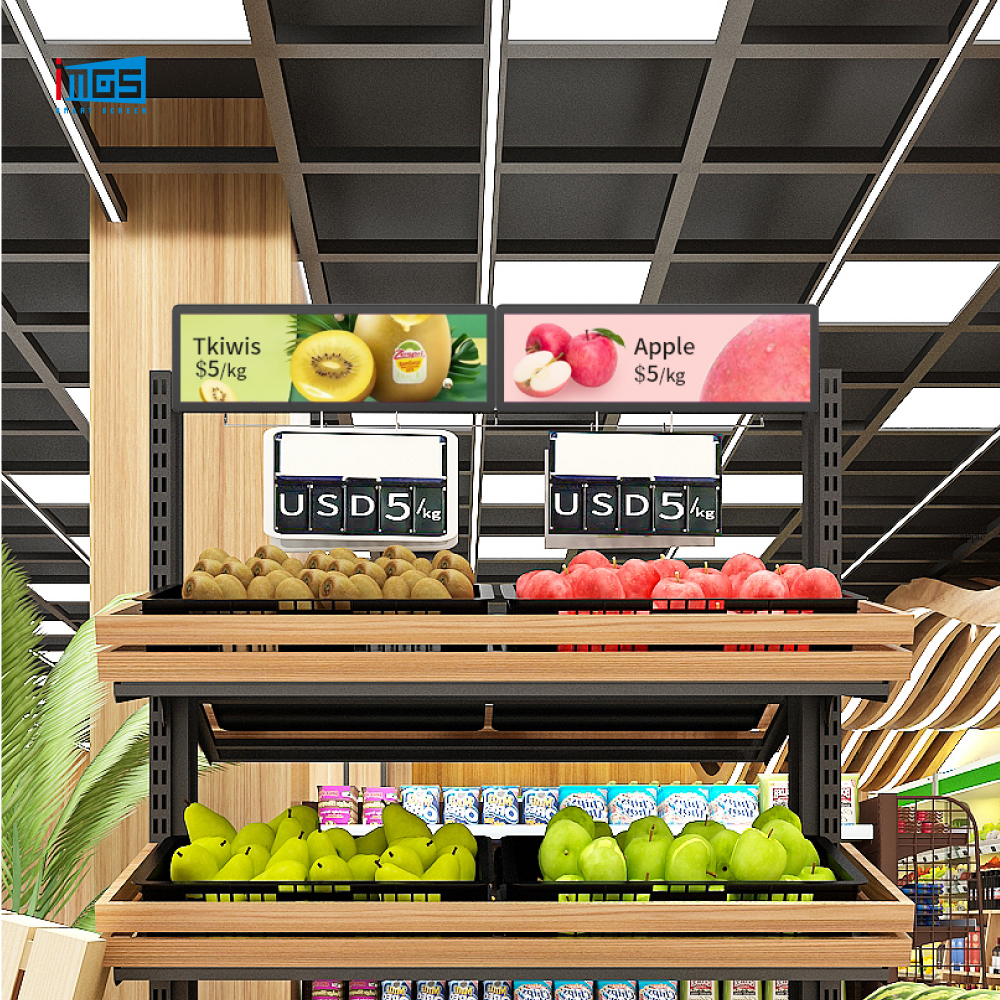
Strip display screen: flexibly placed in the gaps between shelves
Due to their long strip shape, strip screens can be flexibly placed in the gaps between counters, shelves or stores, which not only saves space but also enhances the shopping experience. They are usually used to display product information, prices or discounts, etc., to help customers quickly understand product features. Through dynamic content display, customers can easily and quickly obtain product-related information, prompting them to make purchasing decisions.
Wall mounted LCD screens: high-definition display, saving space
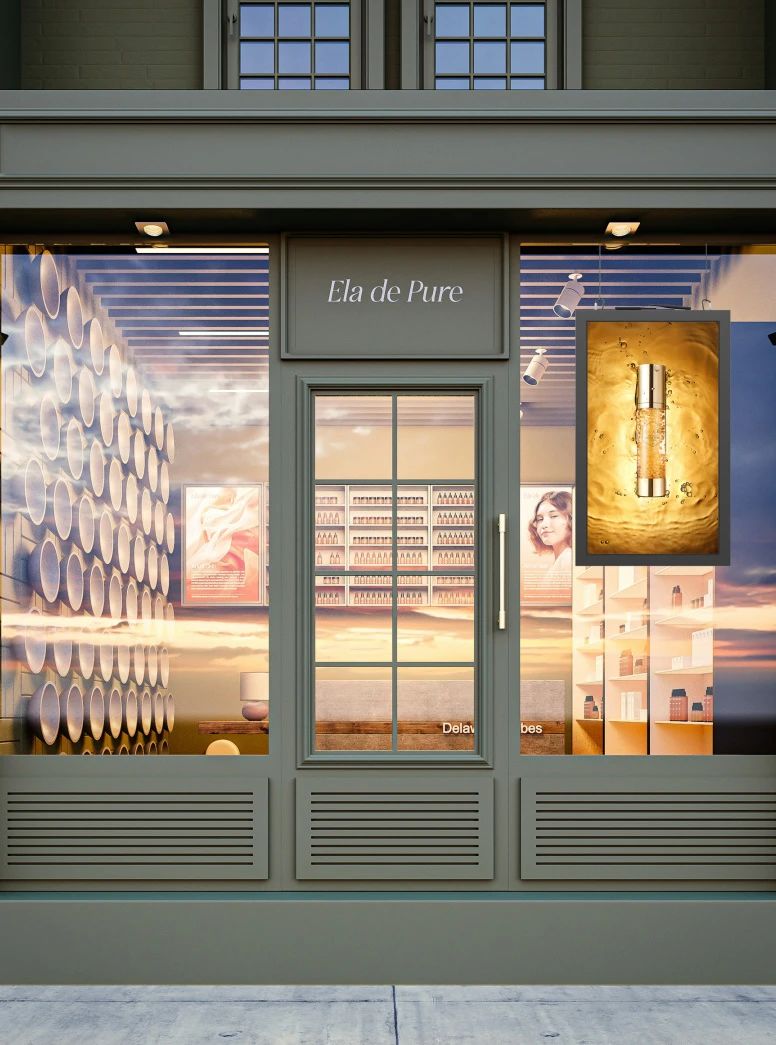
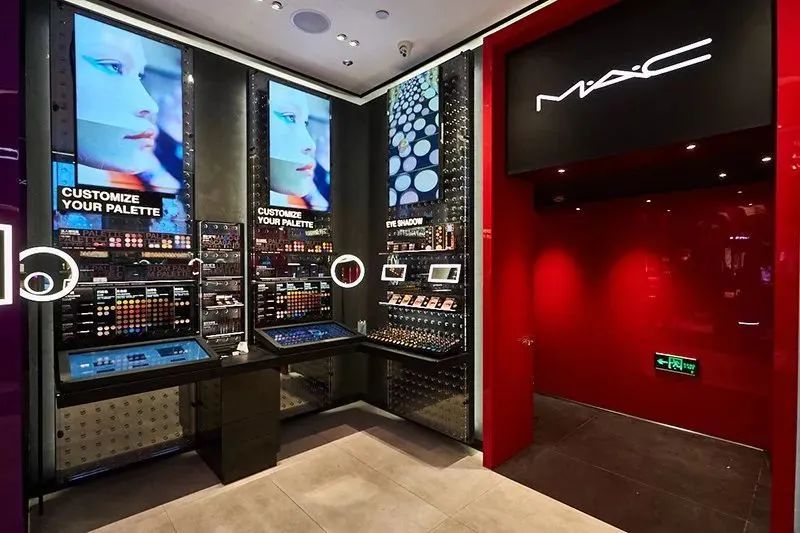
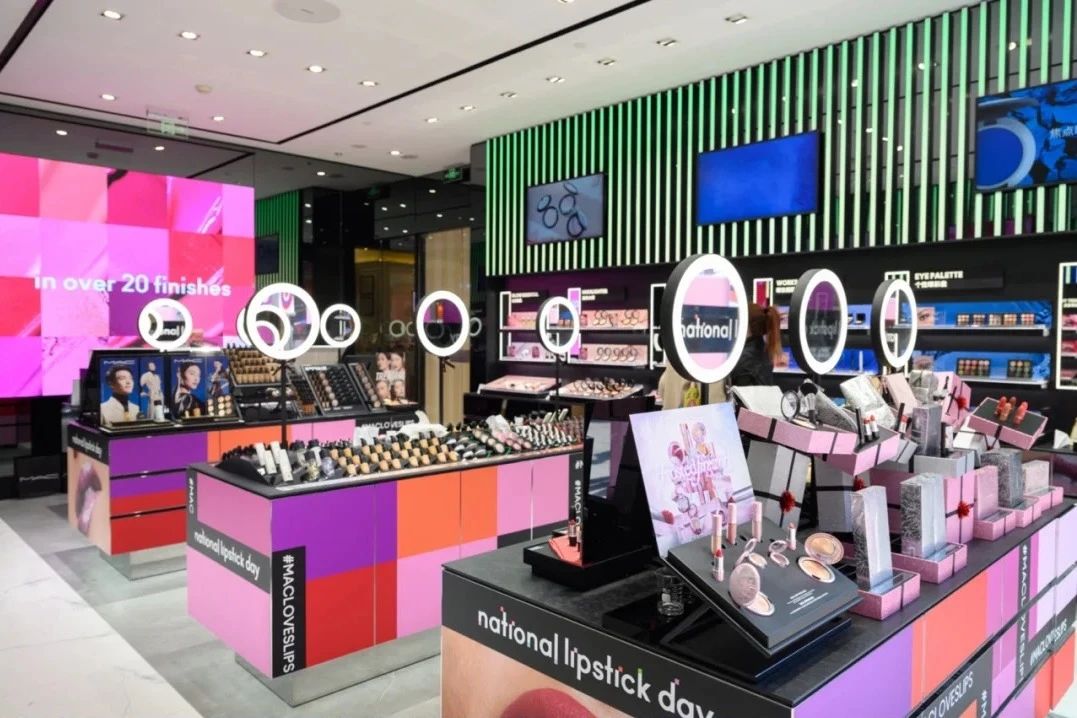
In beauty stores, wall mounted LCD screens can be hung on the wall without occupying floor space. Without interfering with customers' shopping, they are used to play product advertisements, brand short films and makeup tutorials to enhance customers' shopping experience. It can also be embedded in other display systems, such as display racks or dressing tables, to achieve seamless connection and enhance the overall visual effect of the store.
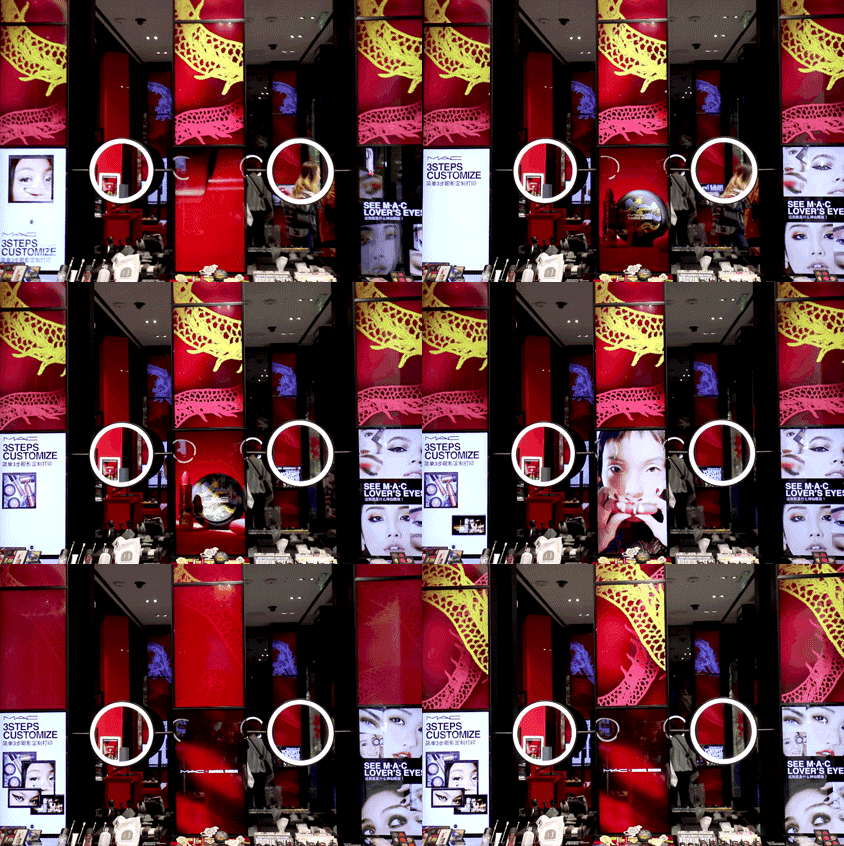
Spliced screens: creating visual impact
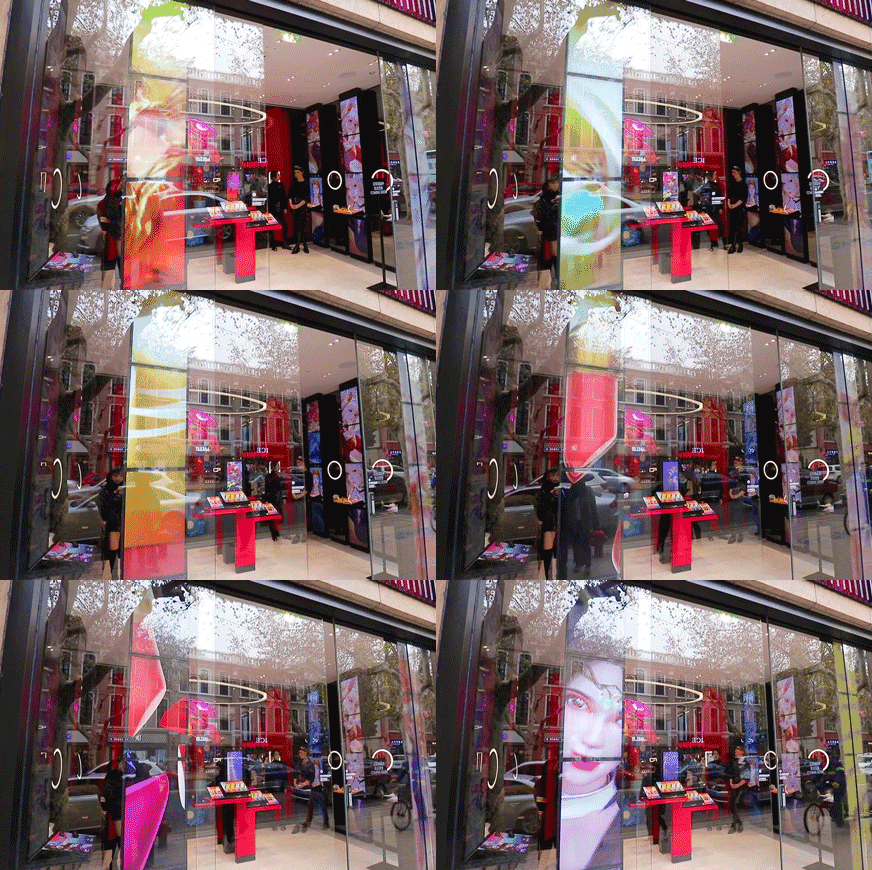
Spliced screens are usually spliced together by multiple display screens, presenting large-size, high-resolution display effects, suitable for occasions that enhance store image and create visual impact. Especially in some large beauty counters or flagship stores, the stunning visual performance of the spliced screens can effectively attract customers' attention and become an effective way to enhance the brand image.
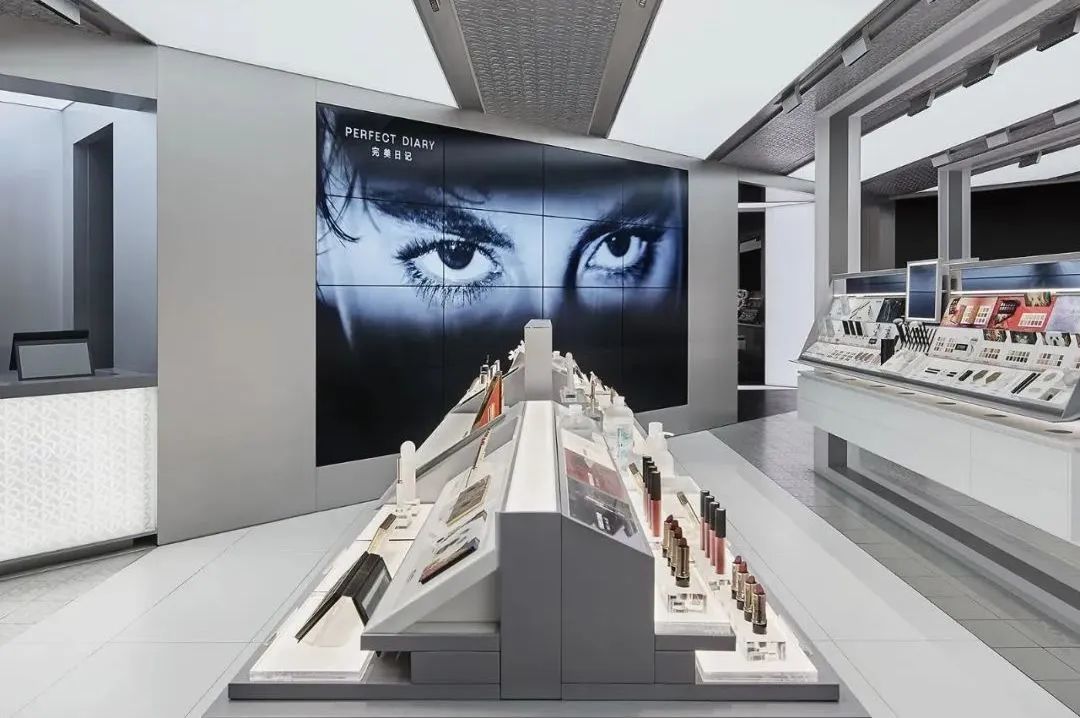
In beauty stores, strip display screens are mostly used in small display areas, spliced screens are suitable for large beauty stores or high-end brand displays, and wall mounted LCD screens have become the most common advertising screens in most beauty stores with their high-definition display and space-saving characteristics.
3. New demands for beauty store screens
For cosmetics, it is difficult for some consumers to buy without trying them, so beauty brands have begun to use screens with interactive functions to create a good experience for customers to interact with products. For example, beauty retail giant Sephora has enabled virtual makeup trial technology in offline retail stores and launched AR makeup trial screens. Customers only need to click on the favorite color on the screen in the store, and the camera can automatically apply the color number of the trial makeup to the precise position on the user's face.
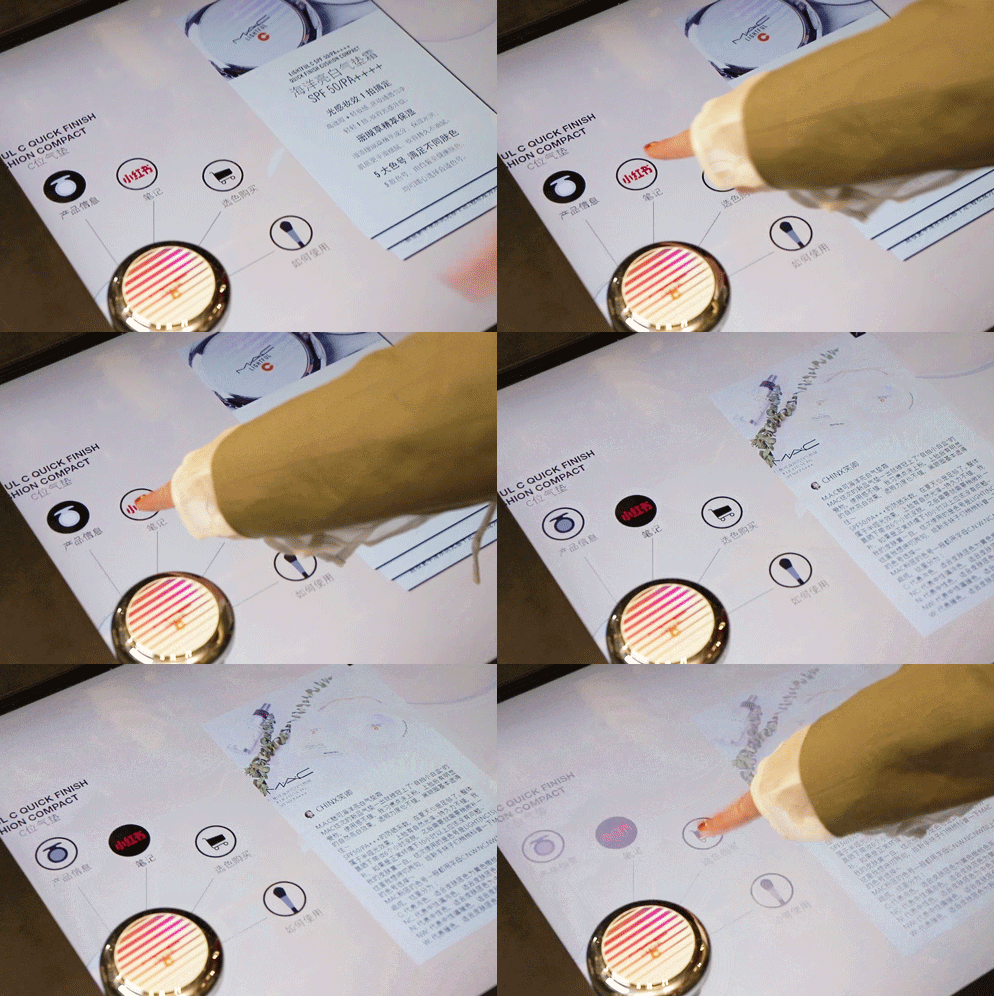
In MAC stores, when customers place the foundation on the screen, they can immediately understand the product texture, color number selection, Xiaohongshu notes and other information. By placing two bottles of liquid foundation on the screen, you can also compare the foundations and understand their differences in all aspects.
Based on the interactive needs of beauty stores, Yimeijis has also launched a smart magic mirror display screen. The screen is equipped with a human body sensing sensor. When customers approach, it will automatically zoom in and out, and can be used as a makeup mirror. After leaving, it will automatically play in full screen and can be used as an advertising machine.
It is worth noting that in many high-end beauty stores, the screen is not limited to practical tools, but is combined with visual art and cleverly integrated into the visual design of the entire store, becoming part of the brand expression. For example, in the HAYDON Black Hole flagship store, a cool visual device is created using a futuristic technology-filled alien screen, giving immersive customers a magical experience of traveling to the future.
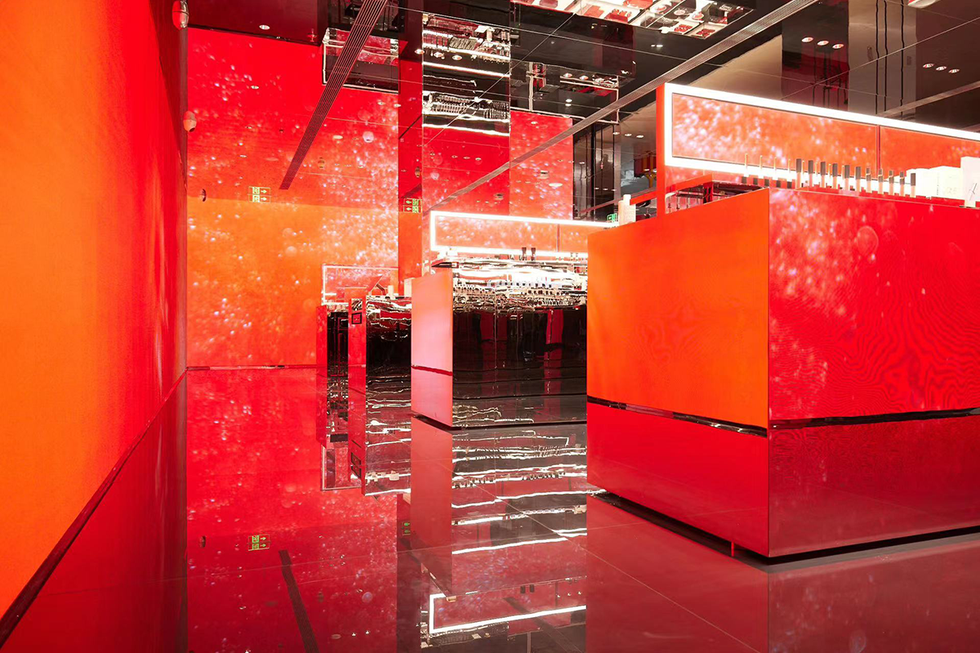
The emerging demand for beauty store screens, on the one hand, is to create intelligent interaction, so that customers can easily understand and try products through the guidance and interaction of the touch screen. On the other hand, the screen is returning to visual art, breaking away from the inertia of advertising and becoming an important part of space landscaping.
In summary, the screens in beauty stores play multiple roles. They can be used to display beauty products, create a brand’s visual atmosphere, convey the brand’s story and culture, and play with users. It all depends on how it is used.