

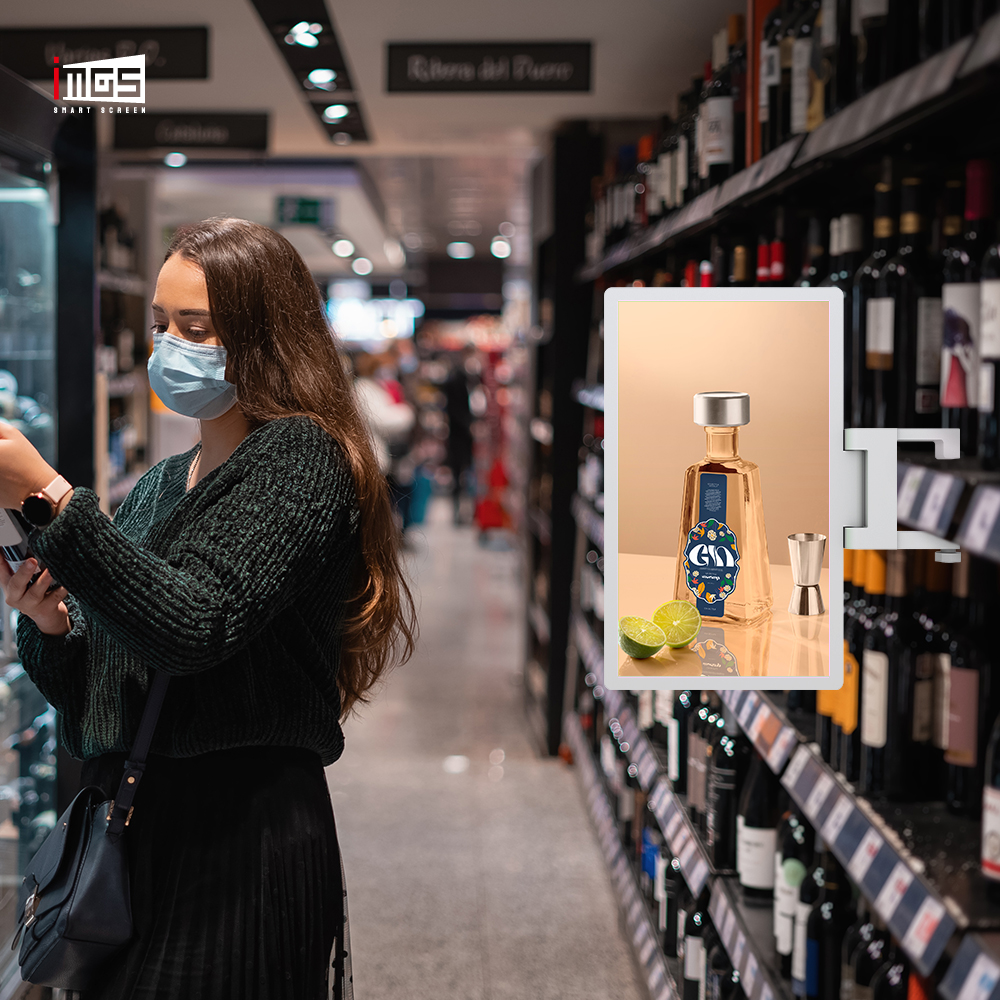

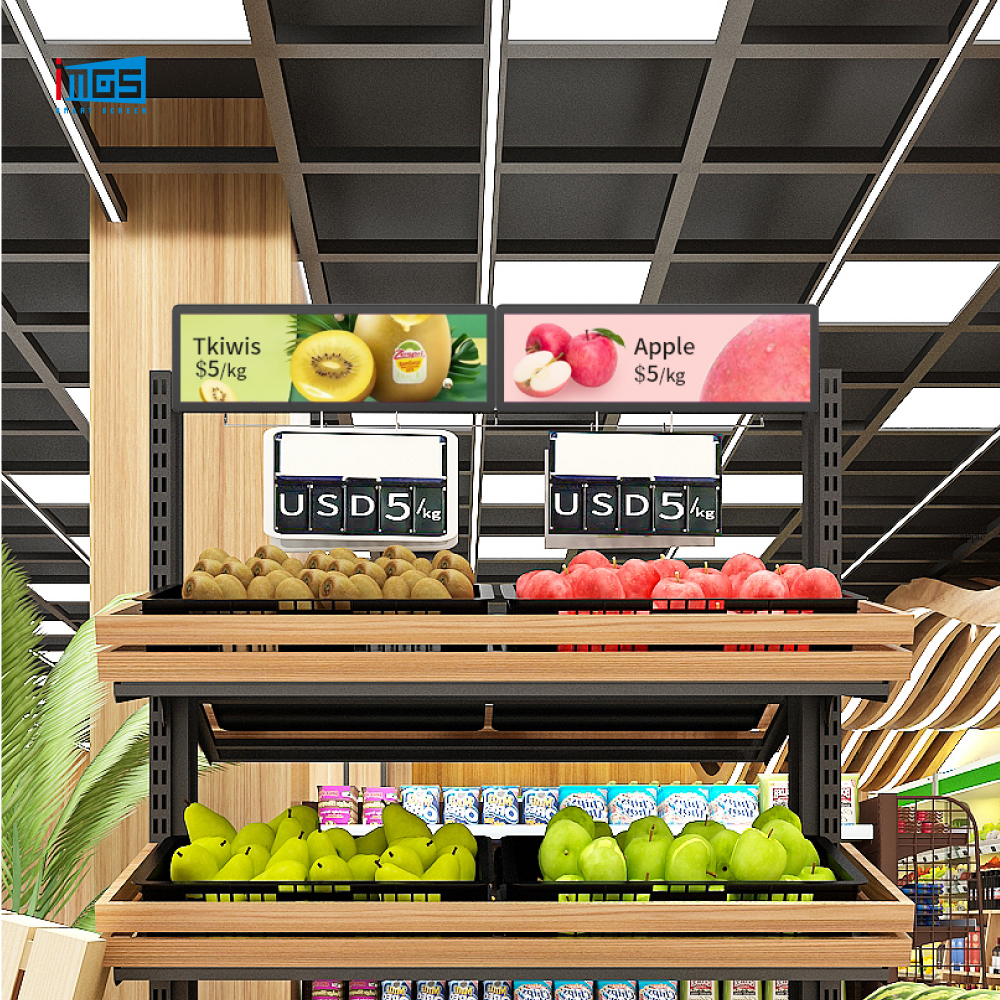
When passing by a restaurant, have you ever been attracted by the tempting and delicious food images? Have you smelled the aroma of delicious food through the screen?
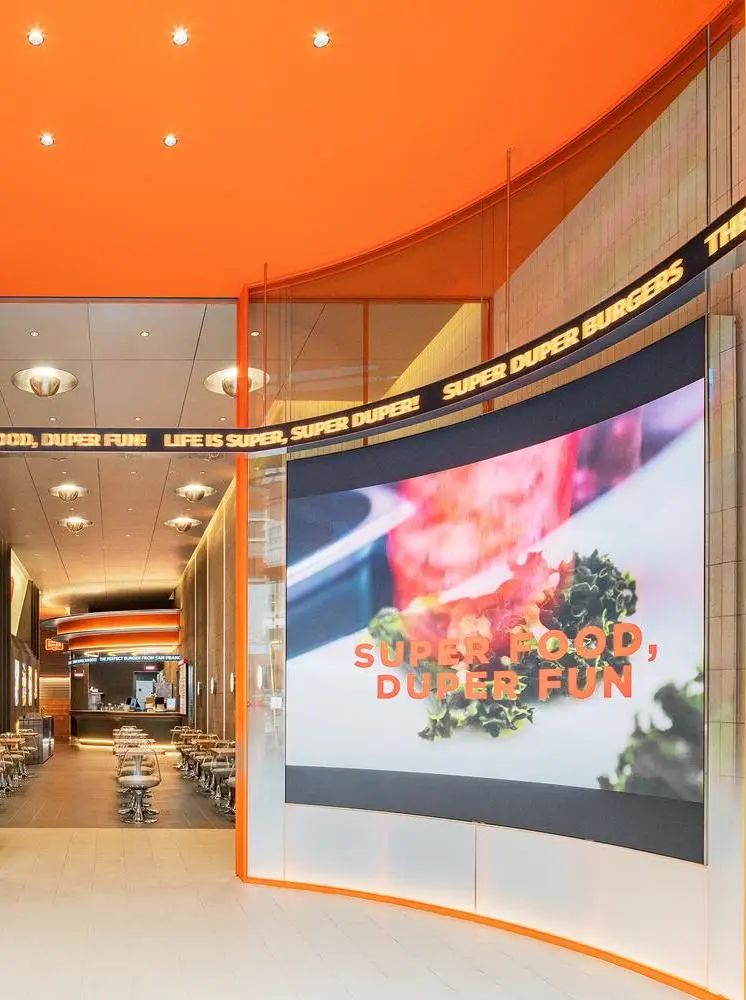
The screen can not only make the delicious food "see", but also show the freshness of the food to the greatest extent, and convey people's imagination about the taste of the food visually. However, the application of screens in restaurants is not limited to this.
1. The initial application of screens in catering
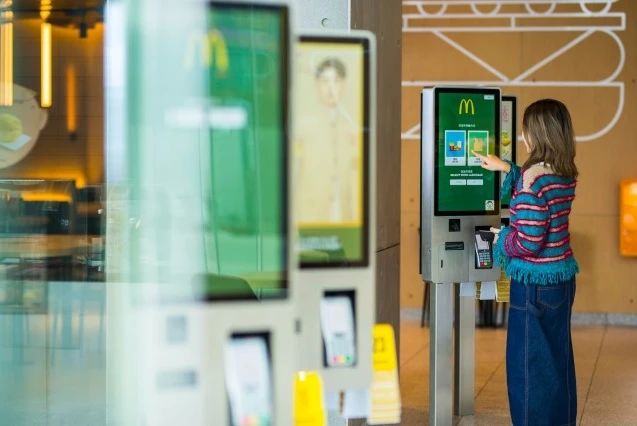
Screens are not new to catering. Chain brands such as McDonald's and Starbucks have long used screens in offline stores, the most typical of which is self-service ordering machines.
In the beginning, the emergence of self-service ordering machines was to improve the experience and efficiency of stores and solve the problem of long waiting time in line. After all, customers are tired of waiting.
Compared with the traditional counter ordering method, the advantages of self-service ordering machines are obvious. People only need to stand in front of the screen, slide the screen with their fingers, select dishes and add them to the shopping cart, and they can complete the entire ordering process. Self-service ordering machines can not only reduce the crowding of customers at the checkout counter, but also reduce the waiting time of customers and improve the user experience.
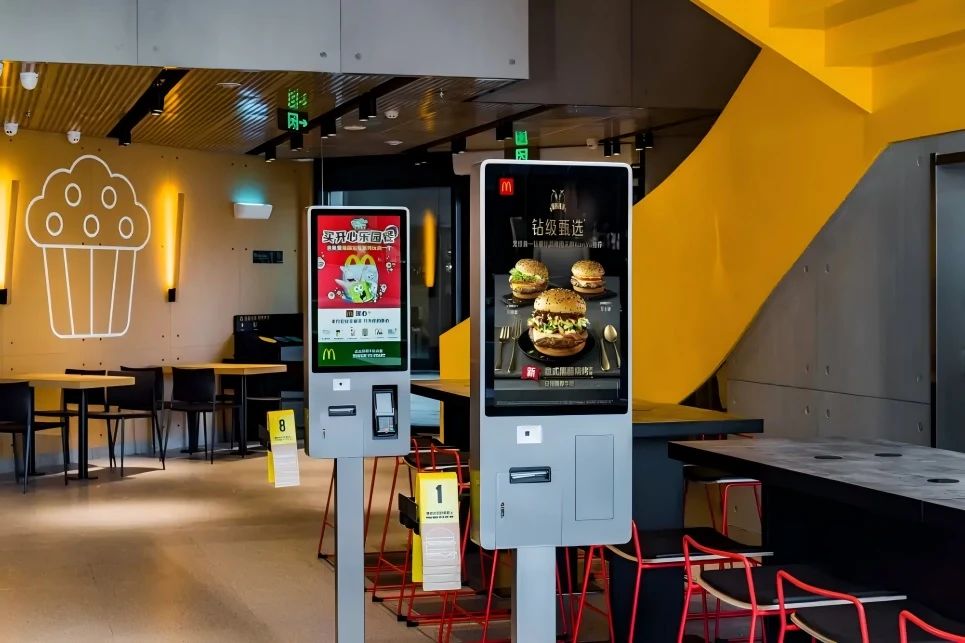
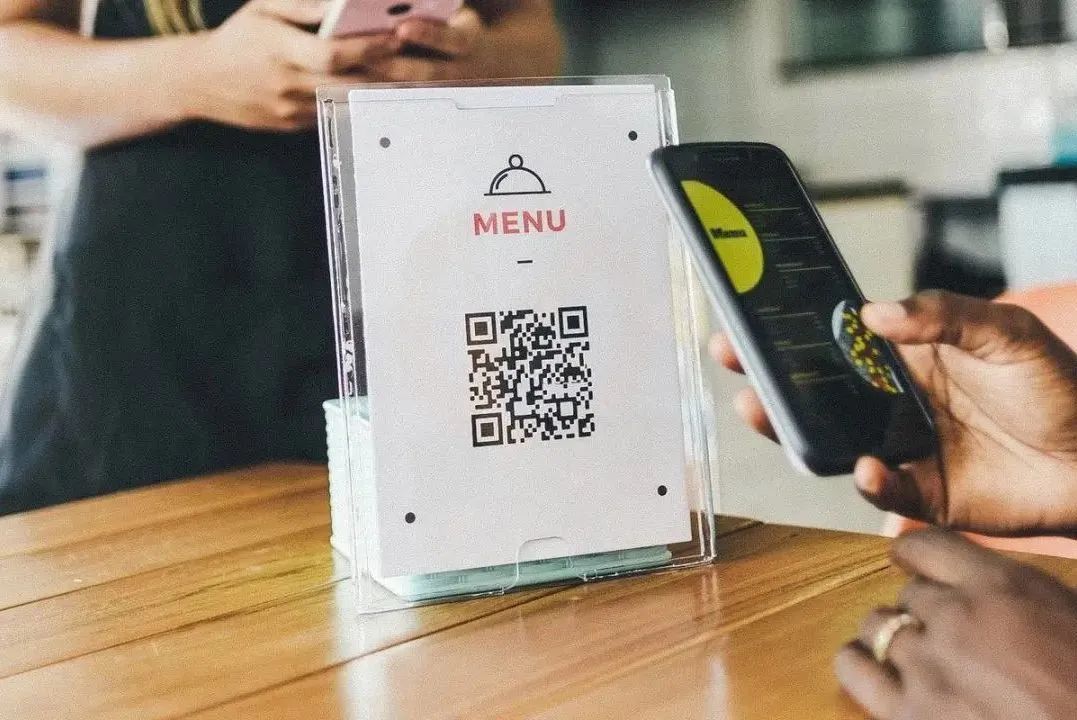
With the development of technology, this way of ordering food was later replaced by a smaller screen: the popularity of mobile APP cloud ordering has made the function of self-service ordering machines lose market. When we walked into a restaurant, the waiter's words were mostly this: you can scan the QR code on the desktop to order food. Although the ordering function of the screen is being replaced, it has not completely disappeared in catering stores. Anyway, it has found a more suitable ecological niche, such as digital menus and advertising.
With a digital menu, restaurants can flexibly adjust the menu at any time according to factors such as the newness and oldness of the dishes and price fluctuations. Unlike traditional paper menus, every change is time-consuming and laborious.
In addition to the static display of traditional menus, the screen can also make the menu dynamic, add cartoon animations and interactive components, and increase the fun of customers' ordering process.
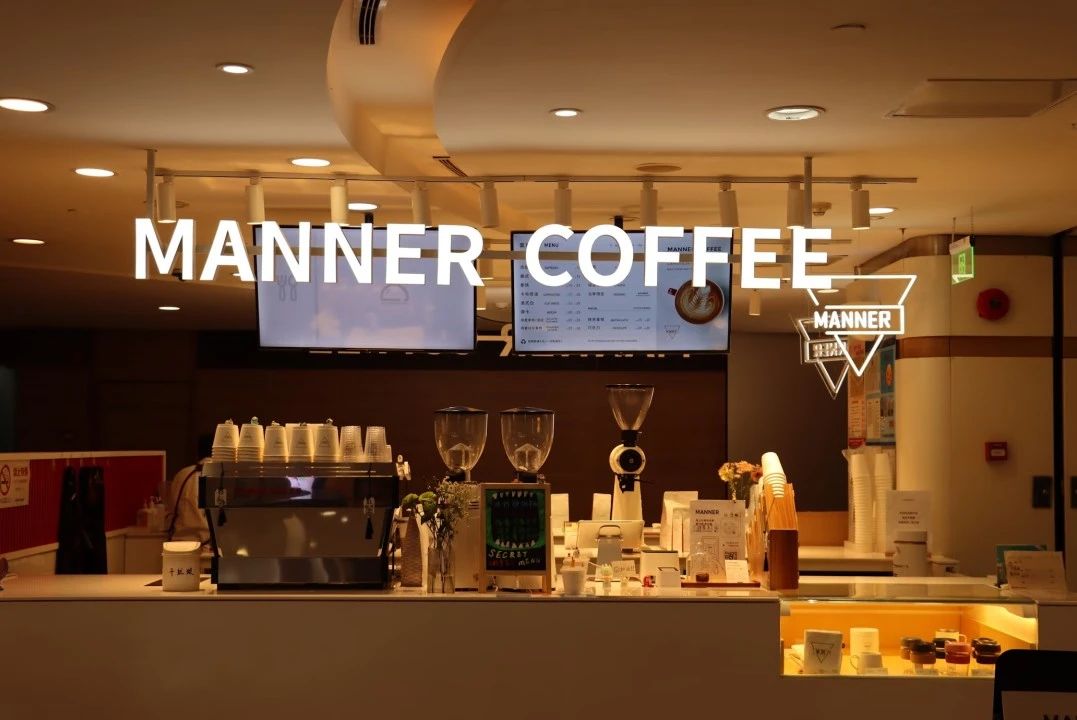
As a medium for advertising and marketing, the screen can also effectively enhance the visual effect, making it convenient for merchants to update promotional activities, new products of the season, etc. at any time, and describe the raw materials, taste, price, etc. of the dishes in detail, making it easier for customers to make decisions.
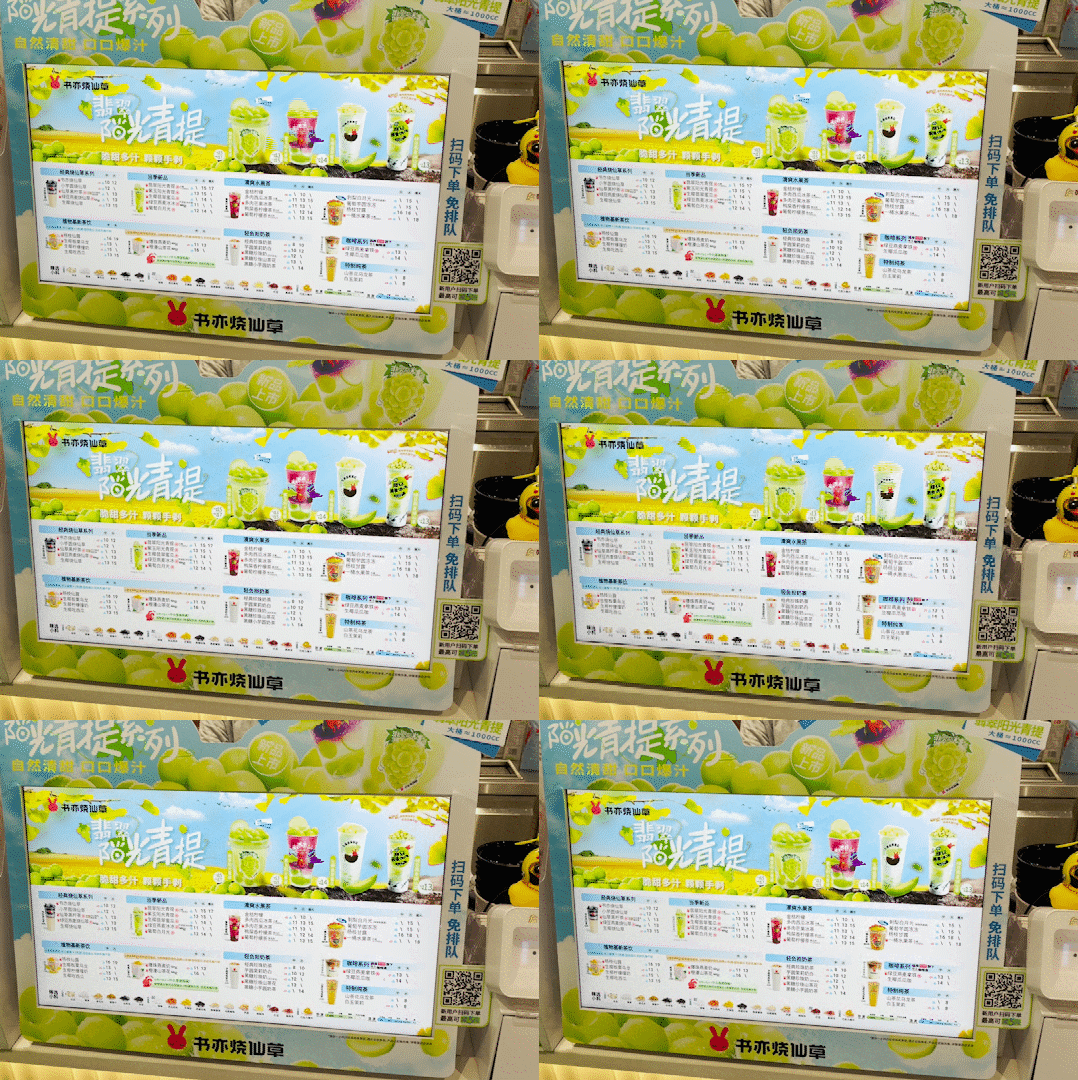
Although the screens in most restaurants have abandoned the ordering function, they have more flexible and extensive applications. They can seamlessly switch between digital menus and advertising according to the needs of store operations.
2. Let the delicious food be "seen"
The emphasis of catering is on color, fragrance and taste. The advantage of the screen is that it can be presented in high definition, so that the "color" of the food can be seen directly, and the "fragrance" can also be felt indirectly through vision.
A barbecue restaurant plays the sizzling picture of teppanyaki, the flame dances with the ingredients, and emits a mouth-watering aroma; a Japanese sushi restaurant displays fresh fish fillets and exquisite plating through the screen, so that customers can feel the deliciousness of the food while waiting.
These dynamic pictures and videos present the food in a vivid way to consumers, activating people's taste senses. Through the screen, customers seem to be able to smell the rich aroma of the food, which makes people salivate and eat.
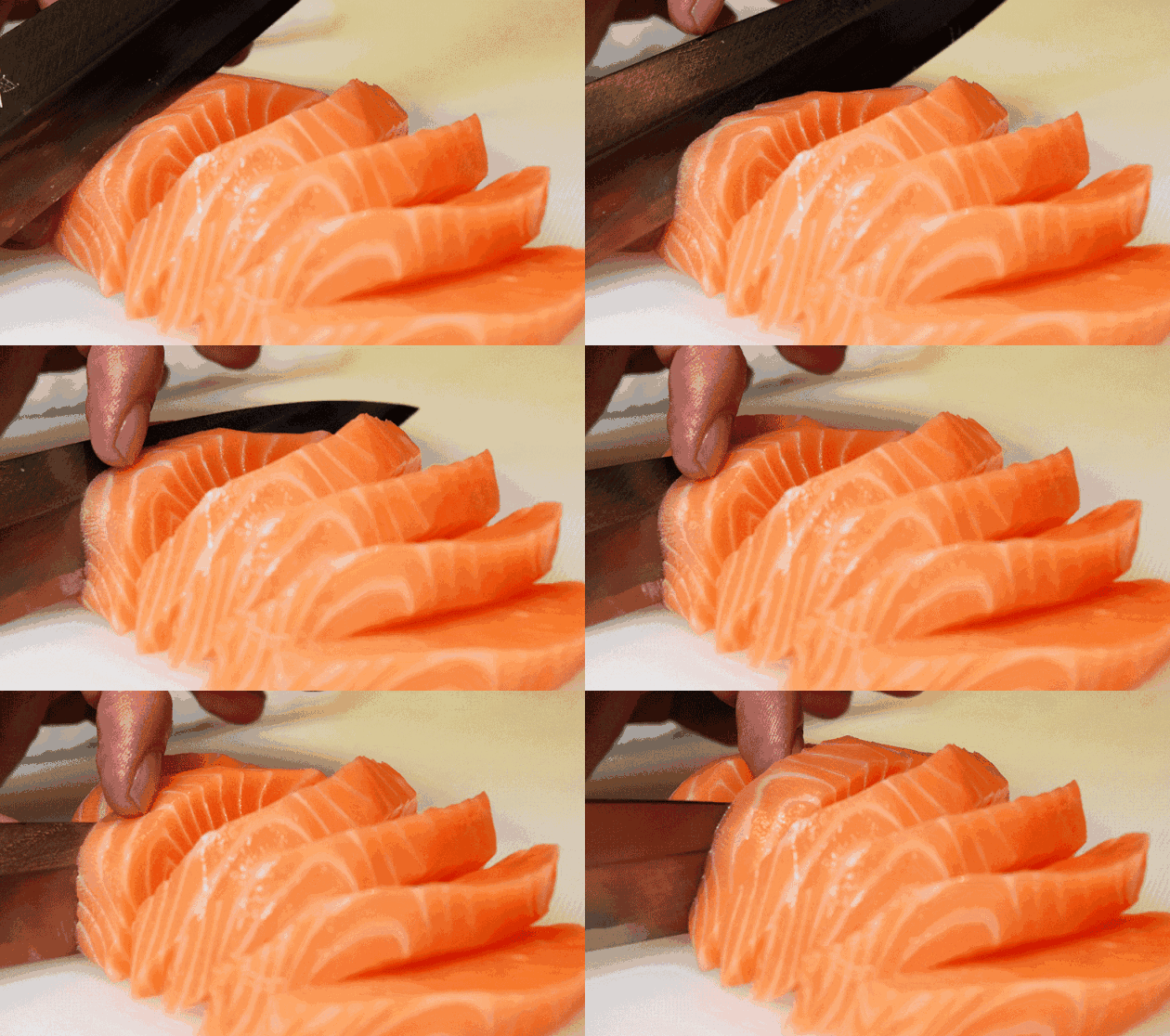
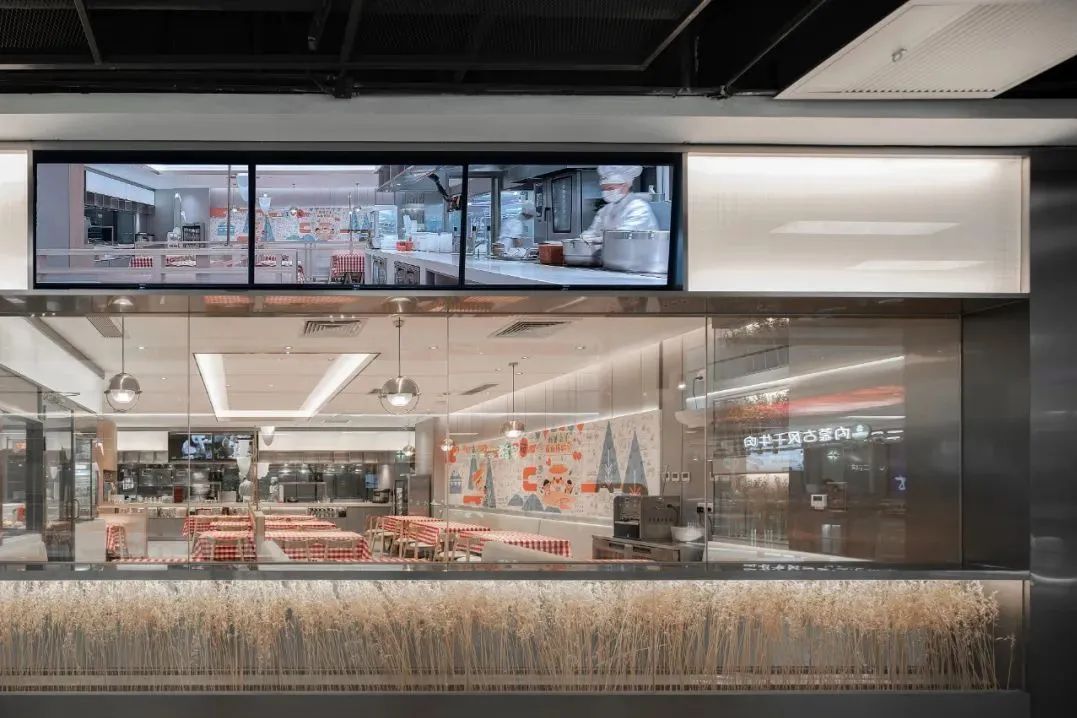
In addition to the food itself, the screen can also carry more warm elements. For example, in many restaurants, the production process of various foods and drinks is played in a loop, so that customers can feel the warmth and sincerity of handmade products, and also enhance people's intimacy with the restaurant.
These vivid and colorful screen images can often trigger people's multiple senses at the same time in addition to the visual level, and build a taste imagination about food.
3. Quickly switch theme scenes
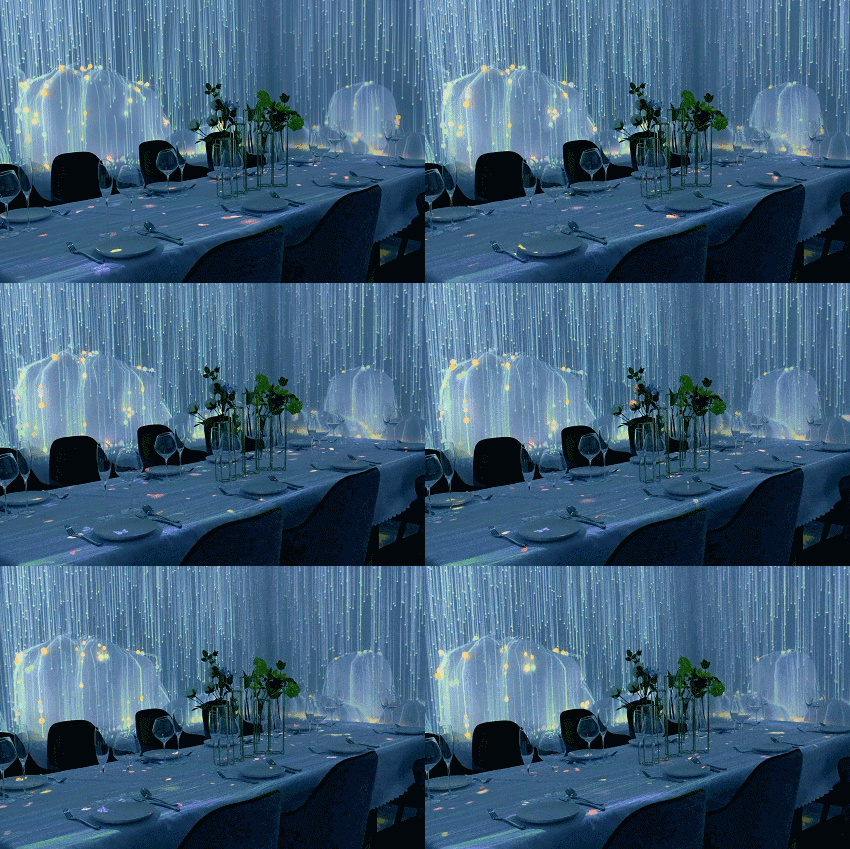
The screens in restaurants can not only display dishes, but also create a sensory experience of a specific atmosphere to satisfy the all-round experience of taste, sight and hearing.
Through the screen, playing relaxing music, beautiful scenery or festival-themed content helps restaurants create a unique dining environment and enhance the overall dining experience.
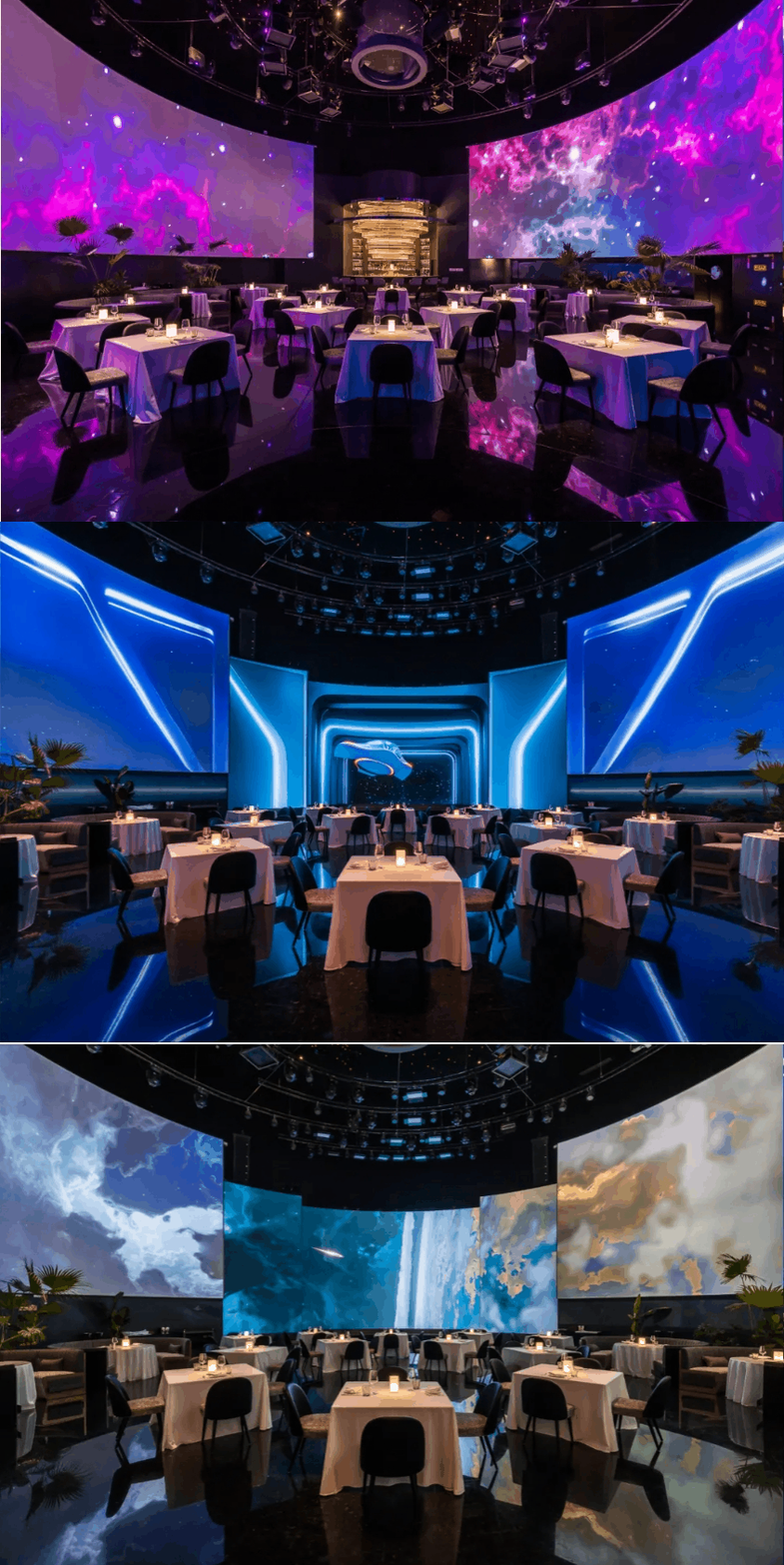
There are also such cases offline. The dining area of CO-Life Forest Restaurant uses LED display screens to play natural theme scenes in a loop, and the constantly flowing artistic pictures allow diners to enjoy the scenery of the four seasons while enjoying natural theme meals, as if sitting in the deep forest.
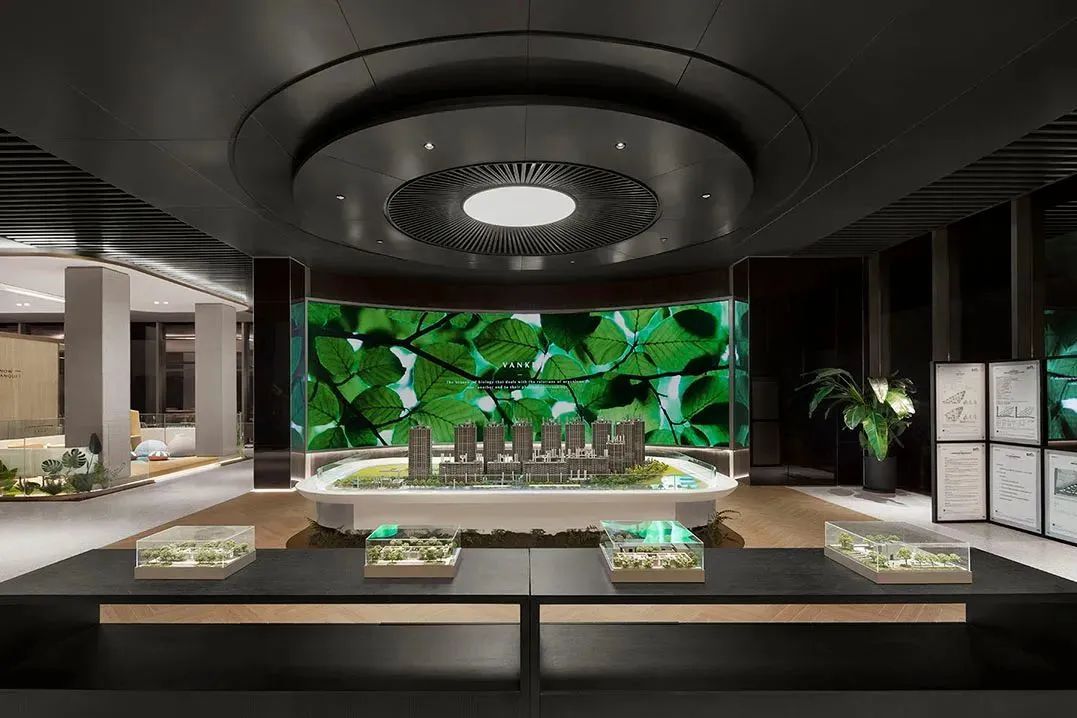
Screen display technology can achieve rapid changes in the dining environment, which defines a new standard for dining experience and breaks through the value dimension of the catering industry, that is, dining is not only about eating and drinking, but also about selling experience.
From ordering machines that improve efficiency, to display screens that stimulate the imagination of taste buds, to background boards that create scene atmospheres, this transformation shows the huge potential of the screen itself. From a single function to gradually covering more applications, from a single taste dimension to a new mode of combining multiple senses such as vision, taste, and hearing, powerful screens are becoming a key link in upgrading the atmosphere and improving user experience.