Watch Stores: Telling Stories of Heritage Through Screens
2025-08-22
Watch Stores: Telling Stories of Heritage Through Screens
The birth of clocks and watches stemmed from humanity's pursuit of accurately measuring time. Today, they have evolved from mere timekeeping tools into symbols of fashion and status.
For a non-essential product, breaking free from functional competition, conveying brand value, and building consumer recognition through narratives allows it to transcend practicality and become a totem of community identity in consumers' minds.
Dynamic advertising is a race against time. Brands are eager to use dynamic ads to precisely convey the status symbols, aesthetic propositions, and life philosophies embodied in their brands and products, efficiently reaching potential offline consumers.
1
Another Way to Tell Brand Stories
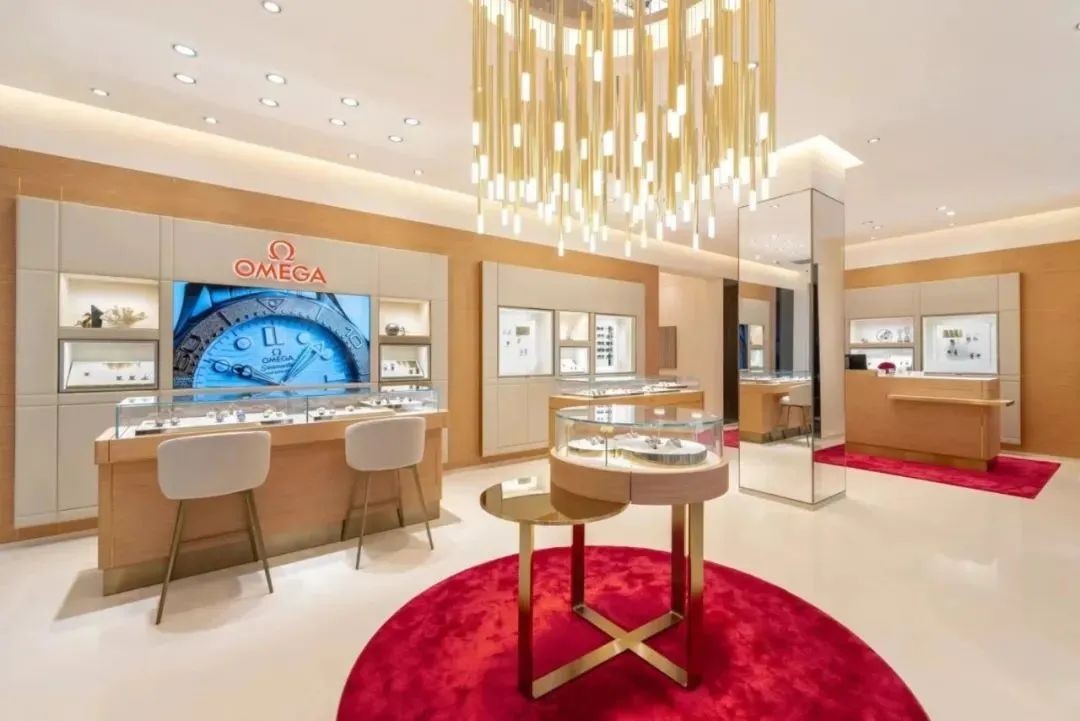
Whether a product's scarcity or uniqueness, it needs to be told—through the medium of screens and dynamic images—to accurately reach the target audience.
Deep Presentation Adds Value to Products
Through screens, the stories and heritage behind watch brands can be presented to consumers in a more vivid and profound way.
From the founder's story and craftsmanship inheritance to the designer's ingenuity, each narrative detail strengthens customers' identification with the brand.
This storytelling approach makes consumers feel that they are not just buying a watch, but owning a piece of history, even a spiritual asset—endowing the watch with scarce value beyond its functionality.
Showcasing a Vibrant Brand Essence
For emerging watch brands, despite lacking a long historical heritage, they still have their own founding stories, design philosophies, and innovative technologies. Advertising screens can vividly present these elements to shape a unique brand image.
2
Visualizing Mechanical Beauty
Microscopic Perspective of Precision Movements
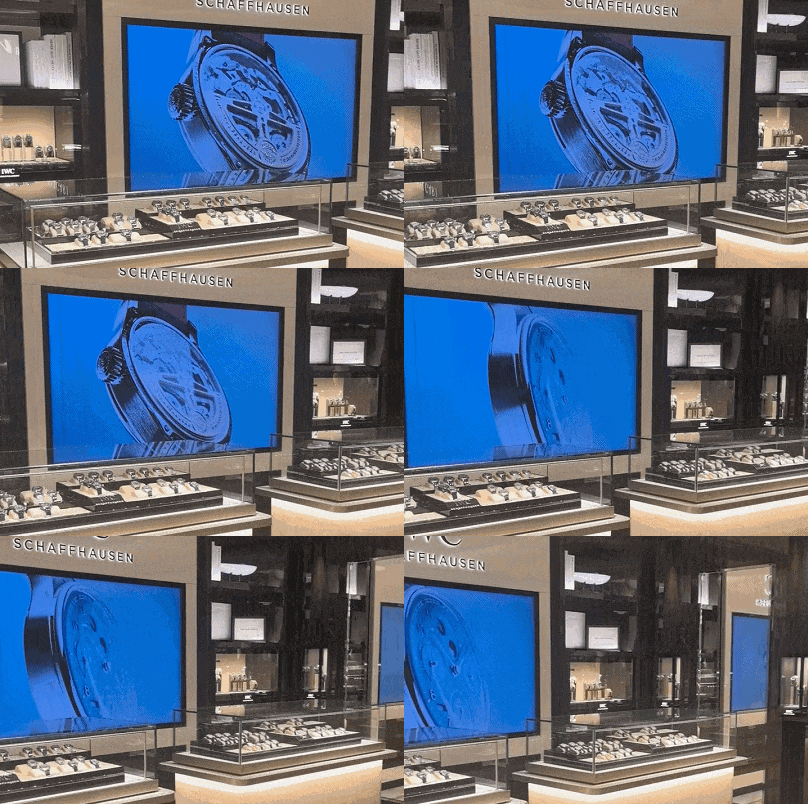
A watch is an intricate internal system. Its movement consists of countless tiny components, with gears interlocking and operating in harmony—this is the unique beauty inherent to watches. High-definition screens can meticulously display the delicate details inside the movement, revealing the beauty of mechanics one by one. Example: The screen installation at Rolex’s Ginza, Tokyo store showcases microscopic details of the movement.
Screen visuals can focus on the movement’s operation: how gears mesh, how the balance wheel rotates, and how the hands precisely point to each moment—details that are often imperceptible in traditional physical displays.
This "microscopic perspective" not only allows consumers to appreciate the sophistication of mechanics but also highlights the brand’s exquisite craftsmanship, thereby enhancing its sense of luxury and value.
Operating Like a Watch
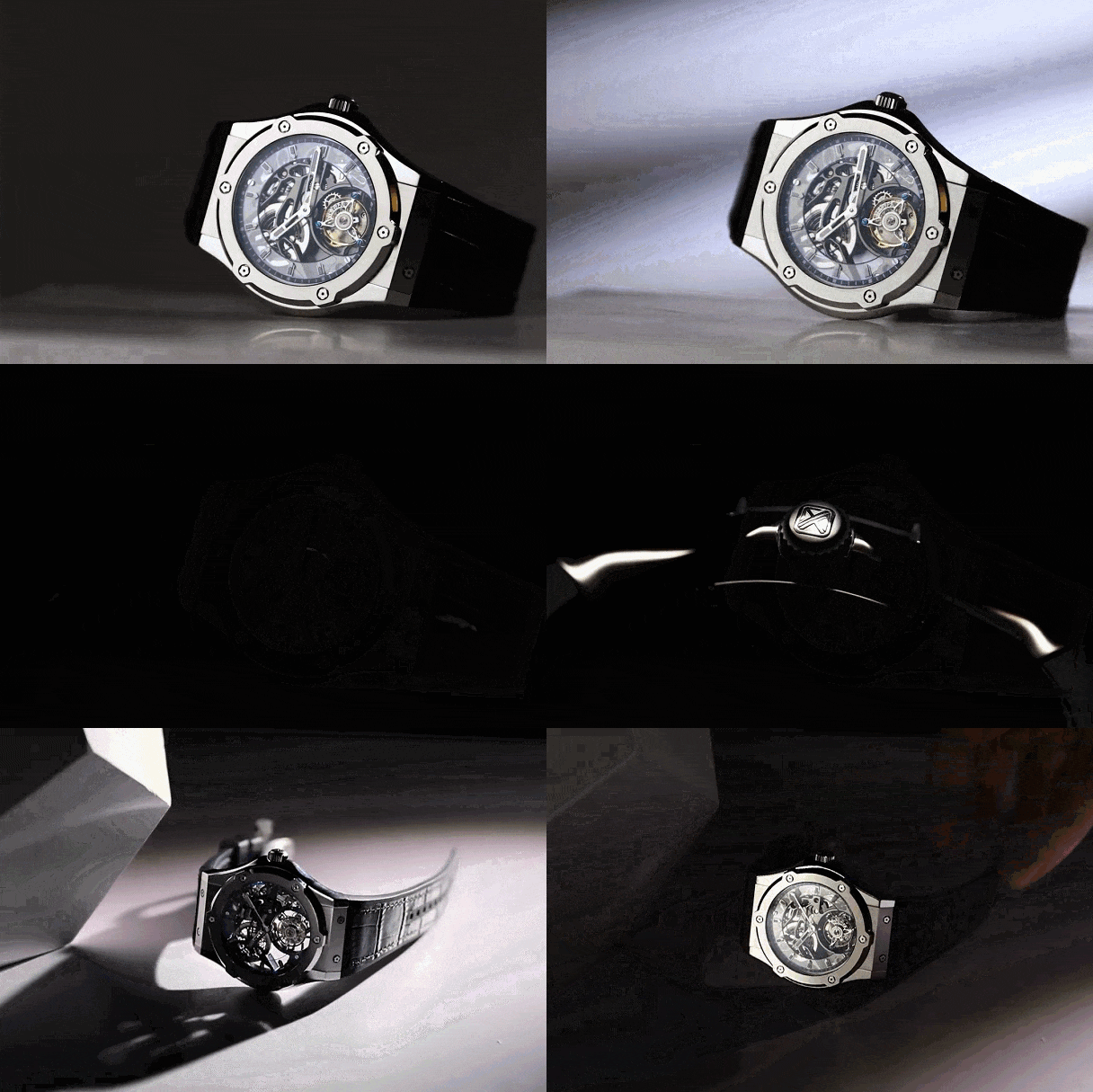
Watches are always in motion, as time flows ceaselessly. The dynamic display of screens perfectly aligns with this inherent attribute of watches. Compared to static lightbox images, screens can showcase dynamic content, presenting the movement of watches—such as detailed animations of movement operations, rotating gears, and other complex mechanical actions.
In offline stores, this continuous dynamic effect not only provides a richer visual experience but also allows users to feel the tangible "flow of time."
3
Using Screens to Present Brand Portrai
Different types of watch stores have distinct needs and target audiences, leading to variations in how they display content on screens.
High-End Watch Stores: Enhancing Brand Luxury
High-end watch stores target high-net-worth individuals, typically from affluent backgrounds, who value the status and lifestyle symbolism of watches.
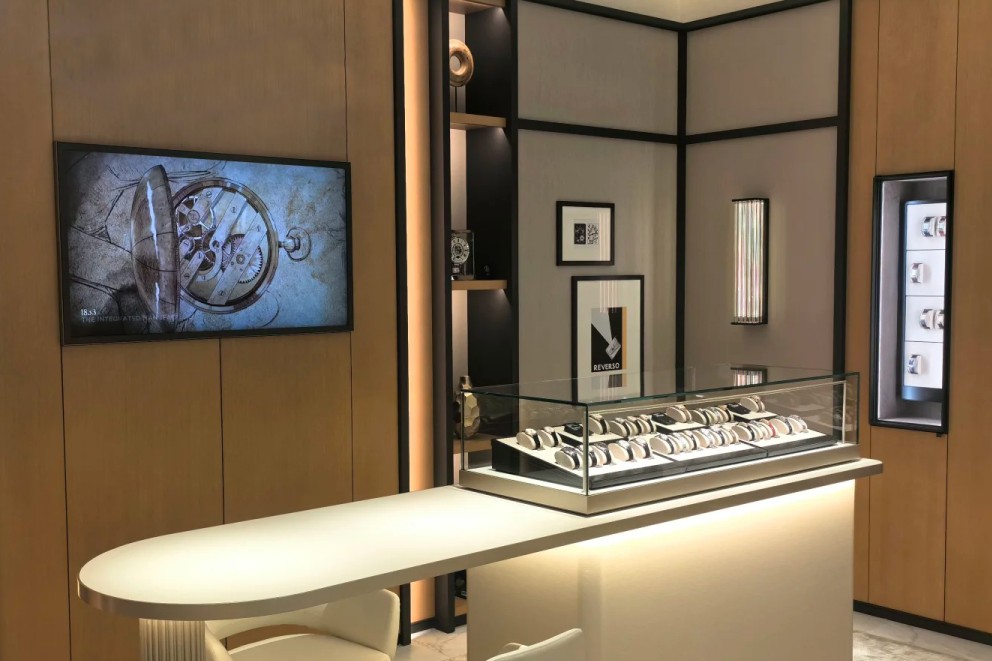
In high-end stores, screens focus on showcasing exquisite craftsmanship and luxurious designs—such as the precise operation of movements, intricate engravings, and decorative details—endowing watches with higher collectible value.
Fashion Watch Stores: Highlighting Brand Fashion DNA
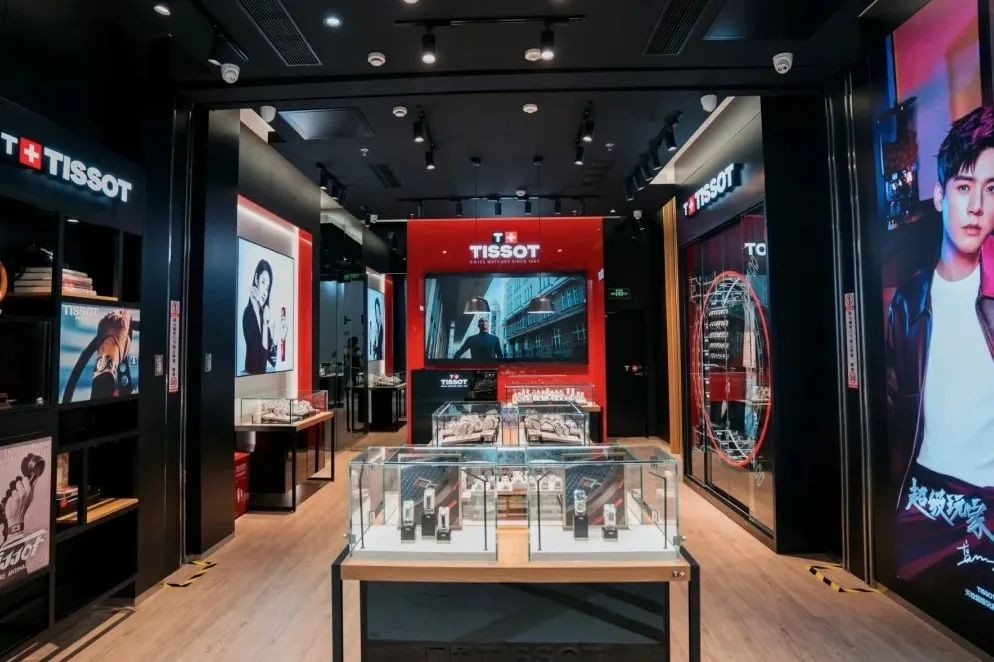
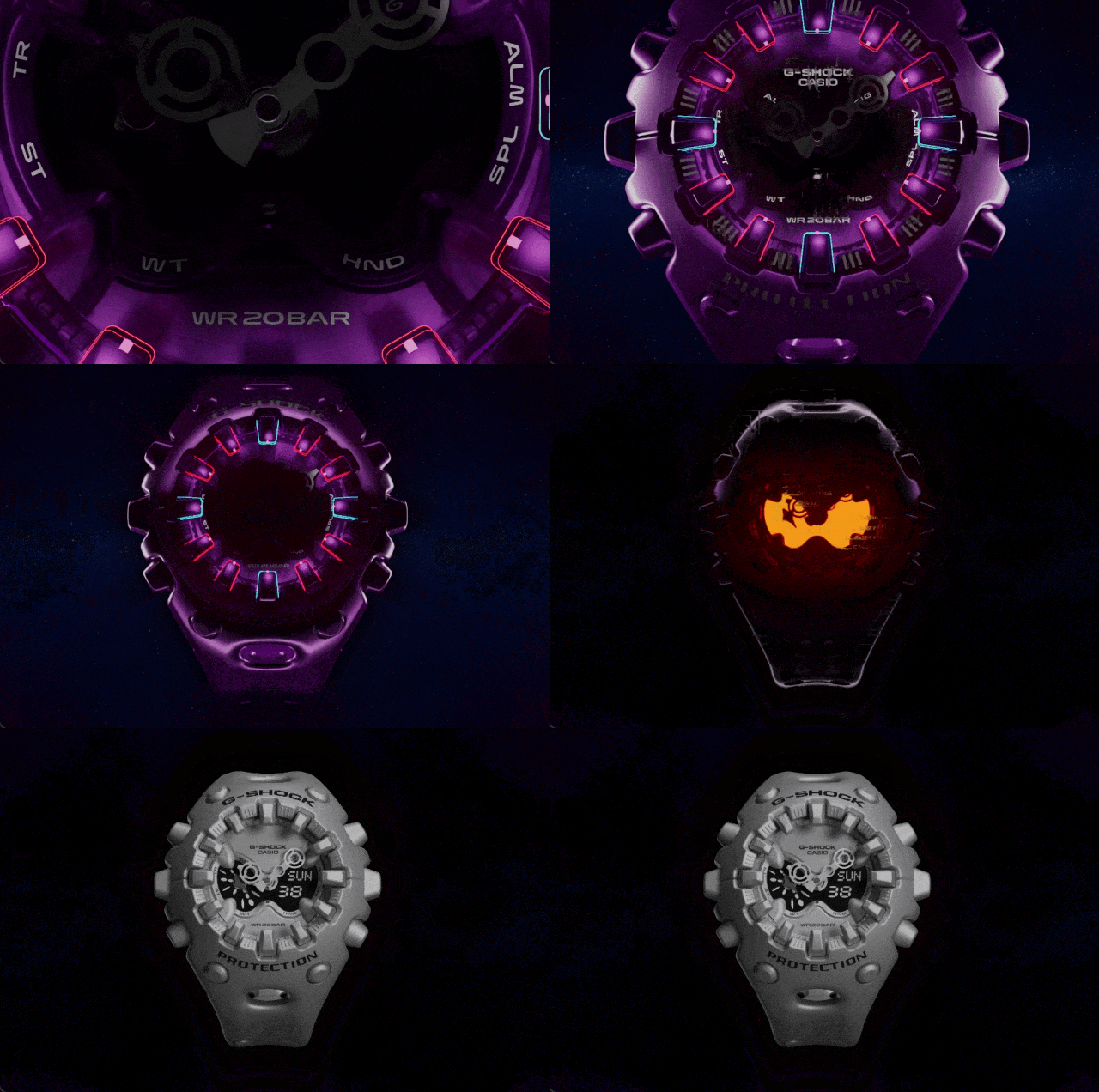
Fashion watch stores, centered on young consumers, use screens to fully express their brand’s fashion essence. Whether trendy or retro styles, they are vividly presented on screen. Screen content often integrates watch-related life scenarios, allowing users to imagine the fashion value of the watches in daily life.
Example: Dynamic advertisements for fashion watch brands.
Smart Watch Stores: Demonstrating High-Tech Features
Smartwatches, an evolution of traditional watches, utilize screens to focus on demonstrating high-tech functions. By dynamically displaying smartwatch features and operations, users can intuitively understand core technologies such as health monitoring, fitness tracking, and smart controls.
Garmin is always pursuing new technologies and breaking boundaries. We provide communication, navigation, radar, sonar, and autopilot systems for ships; communication, navigation, and electronic cockpit systems for aircraft; and navigation and entertainment systems for vehicles. From conquering land to mastering health, from decoding the sky to exploring the ocean.
Since launching its first GPS sports watch in 2003, Garmin has accumulated over 20 years of industry research experience. Over 30 years, Garmin has shipped more than 1.2 billion GPS devices worldwide. We continuously challenge limits and surpass ourselves in technology and manufacturing craftsmanship. We are committed to providing innovative products that respect diverse lifestyles. We offer GPS handheld mapping and navigation systems for industry users. We look forward to your participation and support.
Mass-Market Watch Stores: Clear Information Delivery
Screens in mass-market watch stores primarily provide concise product information—including price, functions, and materials—helping customers quickly grasp the basic features of each watch. Content is simple and clear, emphasizing practicality and cost-effectiveness to facilitate faster purchasing decisions.
For watch stores, the value of screens lies more in shaping and conveying brand image than in creating mere immersive experiences. They act like a versatile "canvas," using visual presentation to showcase a brand’s core values, aesthetic tastes, or cultural heritage. Technically, accurate color reproduction on screens is like the "pigment" for this canvas, determining whether the brand’s stories and technical features can instantly capture users’ attention in the space.