


The "Slimming" Plan for Screen Electricity Bills
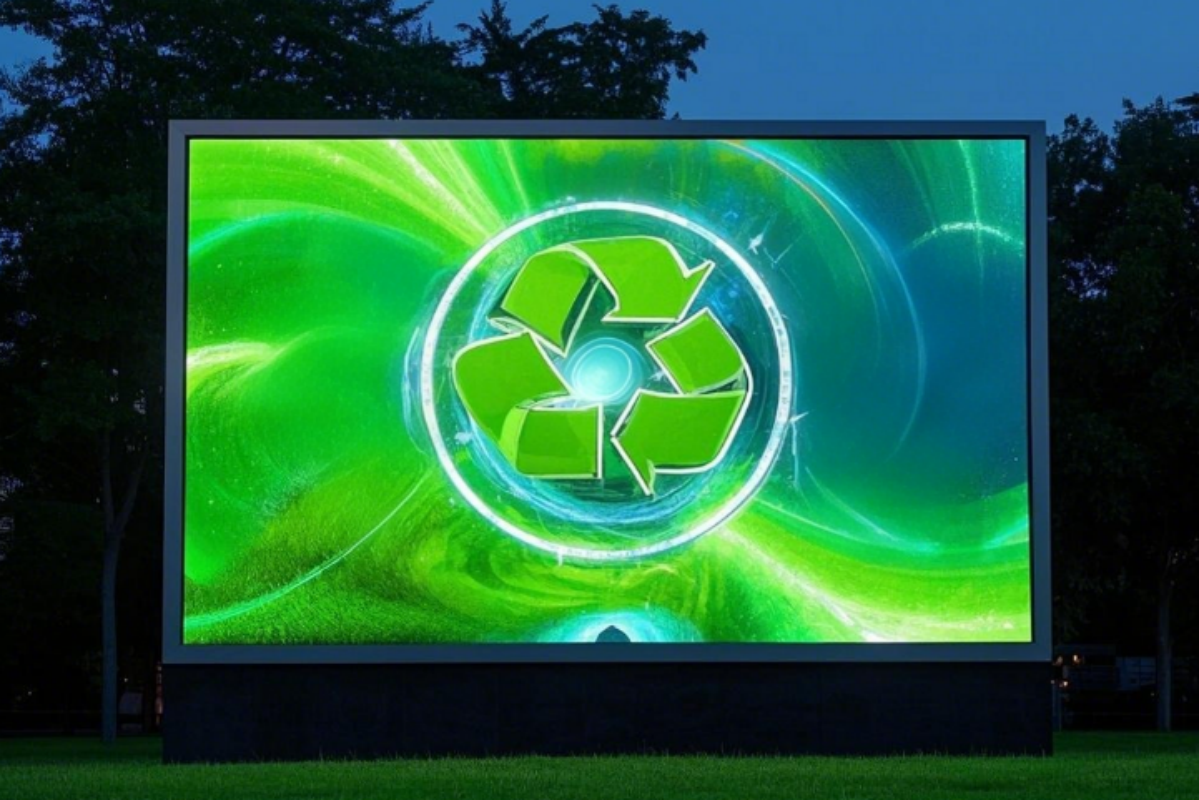
With the growing awareness of "sustainable environmental protection", whether an electronic product is energy-efficient has increasingly become one of the considerations for people when shopping.
From a practical perspective, energy conservation is related to the future of humanity and reflects a sense of social responsibility. For individuals, it can directly create economic benefits. Especially for devices like advertising screens, the energy-efficient and low-power consumption attribute means lower electricity bills, which is a choice related to one's wallet.
1
Energy conservation affects long-term benefits.
For most people, price is the most intuitive and comparable cost. When choosing a screen, they often spend a lot of time and energy comparing the initial purchase prices of different products to find the most cost-effective one.
However, purchasing is a one-time decision, while usage is a continuous process. When evaluating screen devices, long-term operating costs (especially power consumption) must be taken into account.
Sustained Rigid Expenditure
As long as an advertising screen is powered on, electricity bills are generated. Over time, the accumulated electricity bills will grow linearly, unaffected by fluctuations in advertising revenue.
A large high-brightness screen, when running for a long time, may accumulate extremely high electricity bills, which could even exceed the price of the screen itself after a few years.
Take a 100㎡ outdoor advertising screen as an example. Its average power consumption is at least 250 W/㎡. Running for 12 hours a day consumes about 300 kWh. Calculated at 1.3 yuan per kWh, the annual electricity expenditure for the screen display alone exceeds 140,000 yuan. (The amounts and figures involved in this paragraph are hypothetical estimates; please refer to the actual situation for details.)
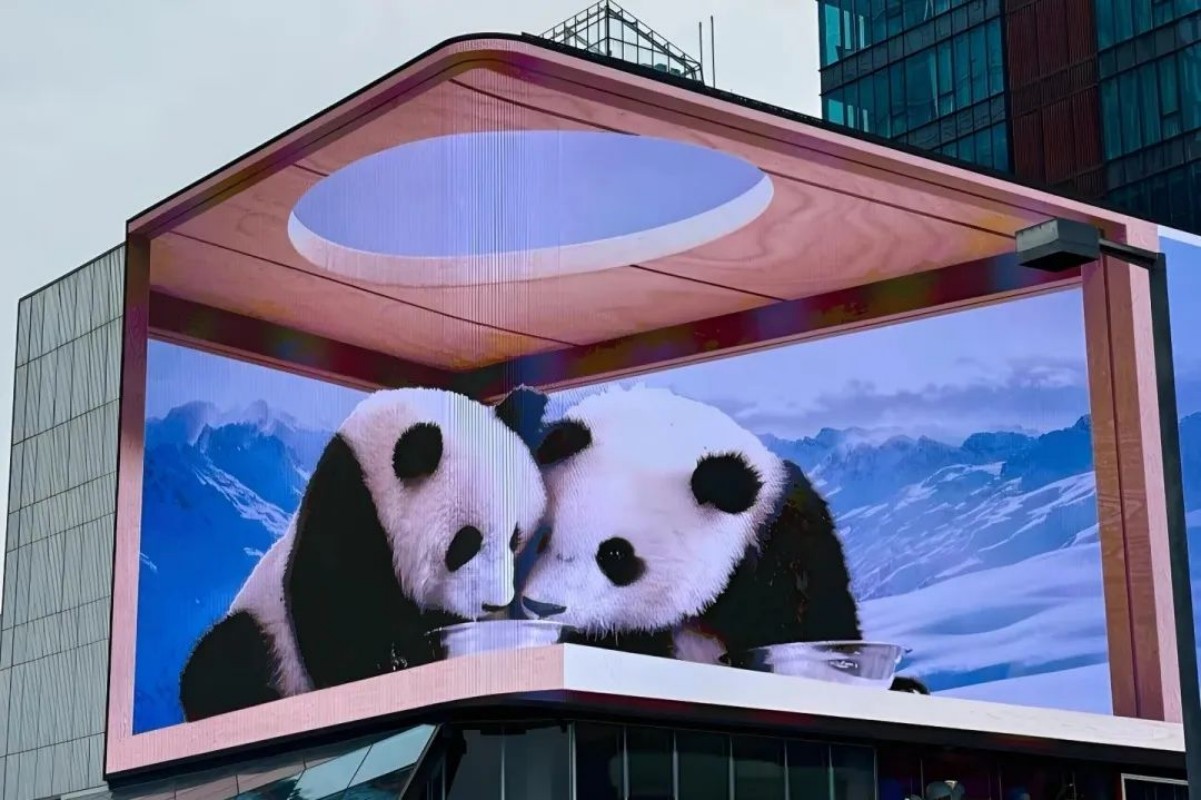
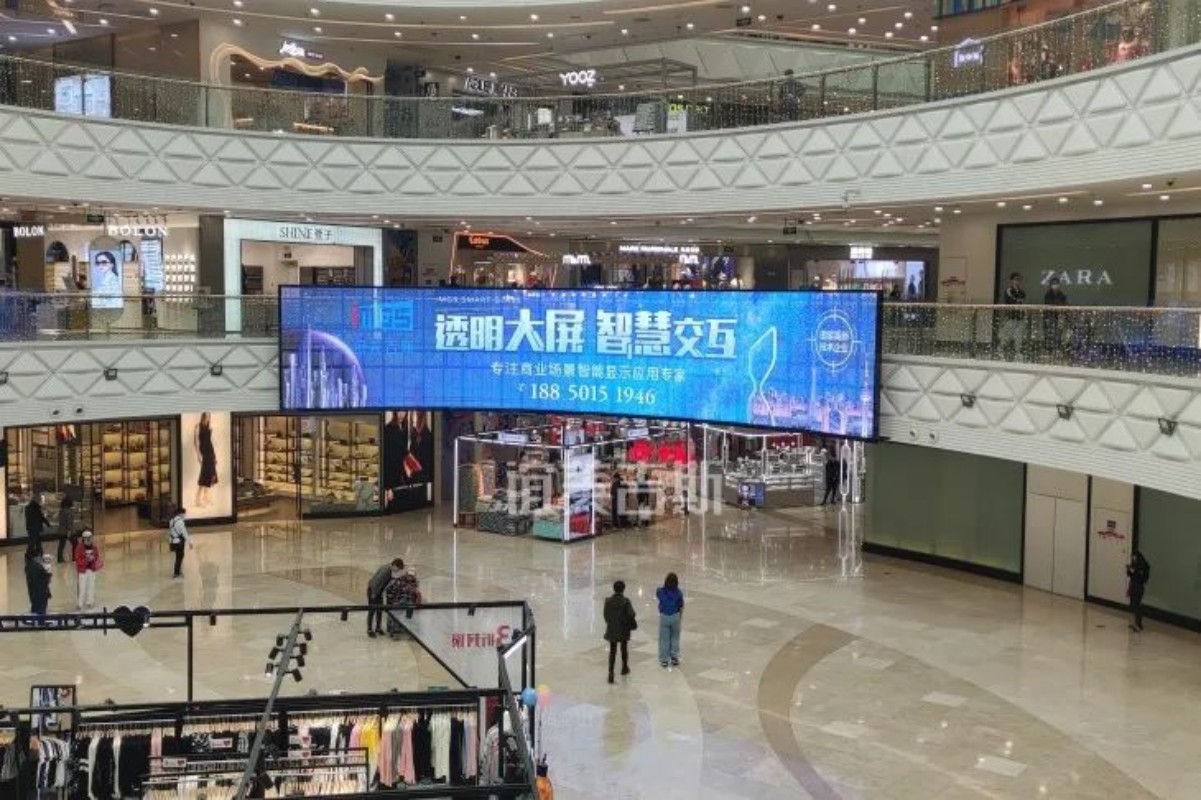
An outdoor large screen on the facade of a domestic shopping mall.
If the screen's power consumption can be reduced to 150 W/㎡, it can save nearly half of the annual electricity expenses.
For enterprise users, such as shopping mall advertising screens, monitoring center large screens, and retail store display screens, there are usually many screens in these scenarios. Even a small amount of energy saving will significantly reduce long-term operating costs over time, which is a manifestation of the compound interest effect.
2
The Invisible Battlefield of Energy Conservation: Heat Dissipation Systems
When purchasing energy-efficient screens, people generally focus on energy efficiency grades while ignoring the hardware aspect. In fact, the heat dissipation system of screen devices is also a key factor in power consumption.
During the operation of the screen, when current passes through resistors, due to the resistive heating effect, part of the electrical energy is converted into heat energy. If the heat dissipation system is improperly designed, causing the device temperature to be too high, energy loss will intensify, leading to increased power consumption.
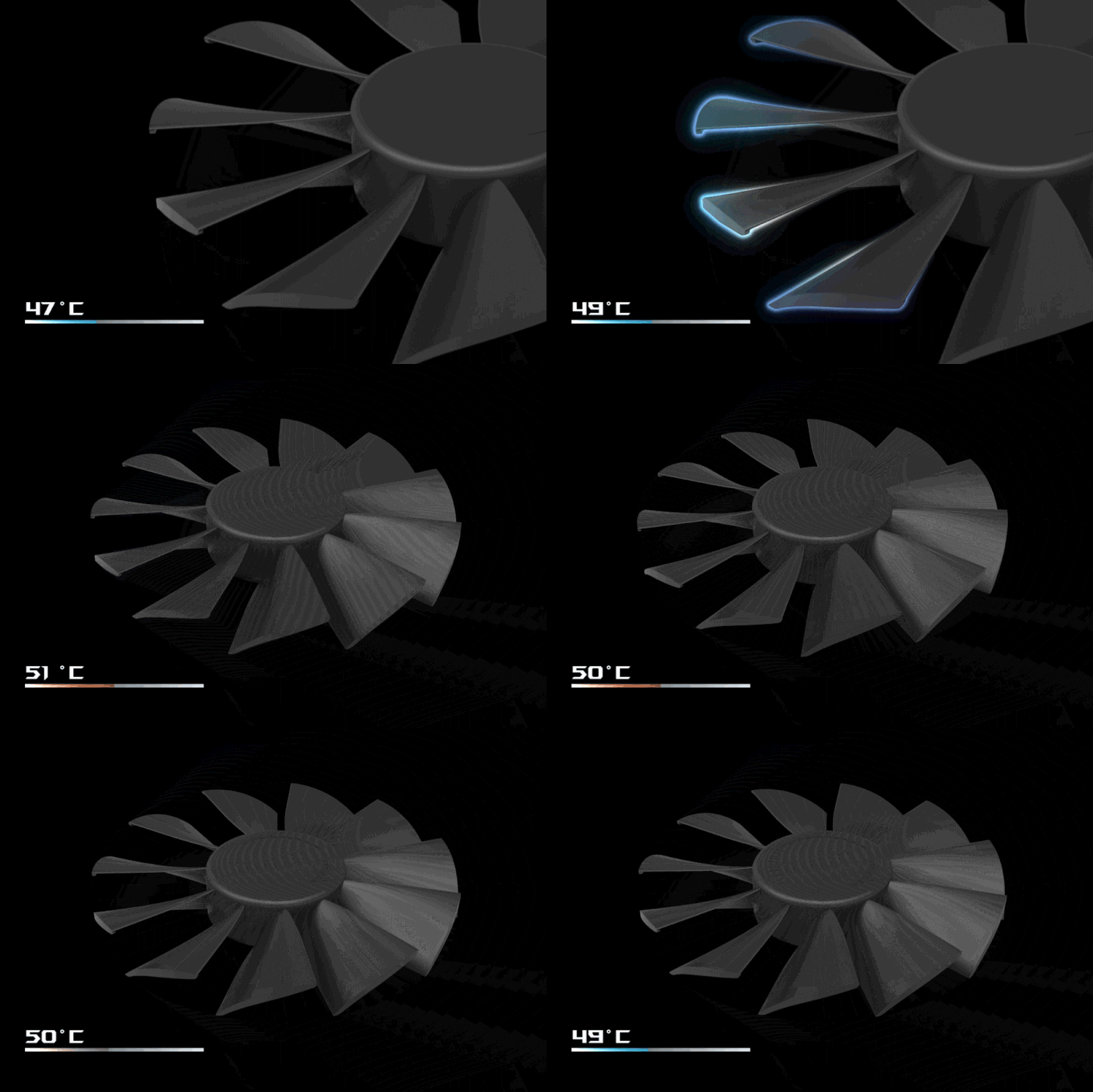
When the internal temperature rises sharply, the screen will activate additional cooling devices, such as fans or air conditioners, to maintain temperature stability, which consumes more electrical energy.
Efficient Heat Dissipation Design Reduces Energy Consumption
An efficient heat dissipation design can ensure that the device operates within a stable temperature range, minimizing energy loss.
Such designs mainly include two aspects: first, the use of air-cooling systems or liquid-cooling systems to help the screen maintain a low temperature during long-term operation, reducing additional power consumption.
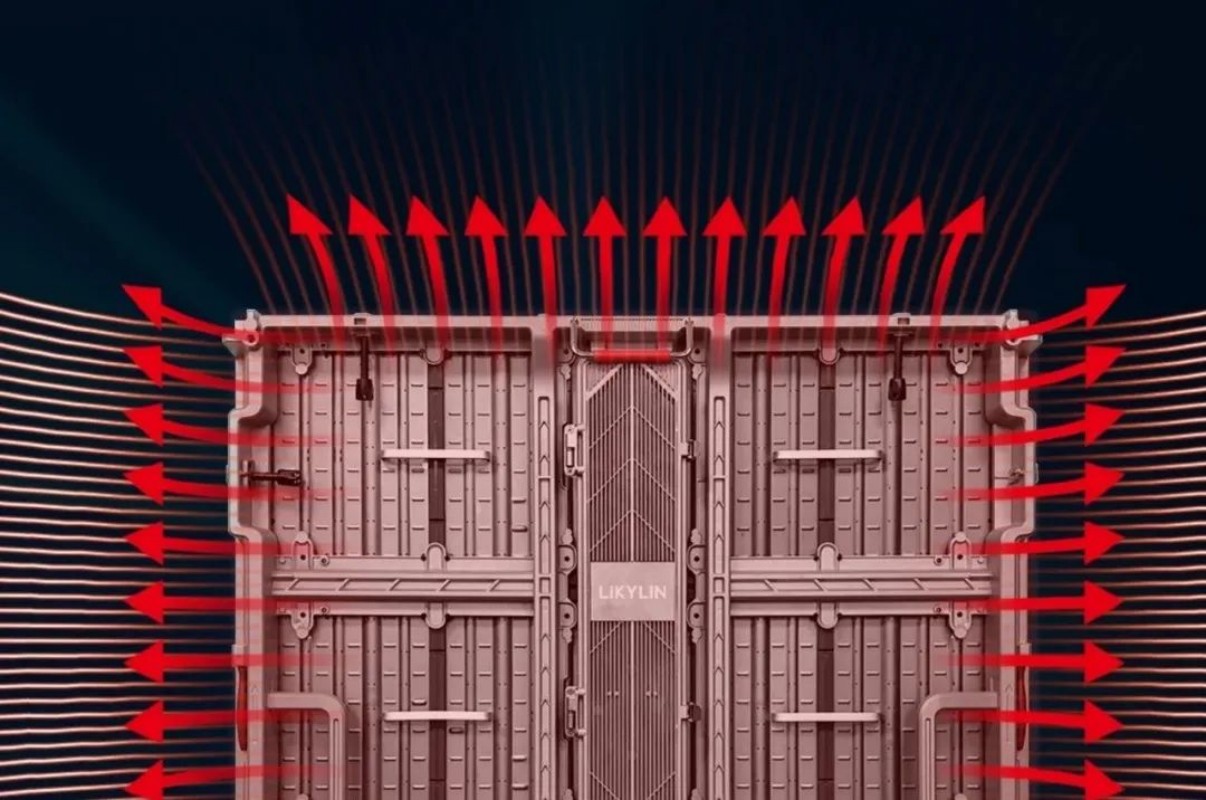
Second, the selection of efficient heat dissipation materials helps to dissipate heat quickly and reduce power waste caused by heat accumulation.
For example, aluminum alloy heat sinks can accelerate heat conduction, lower the temperature of circuit boards and electronic modules, thereby reducing system load and optimizing power consumption.
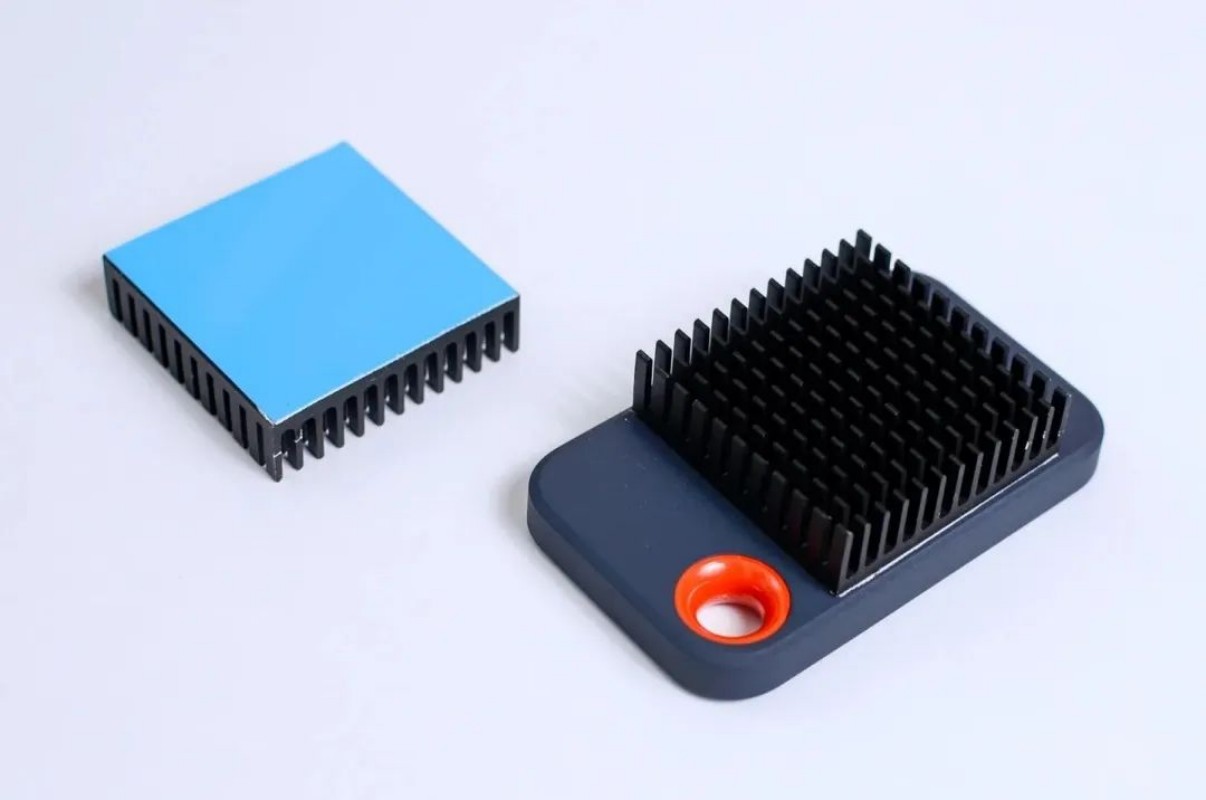
Small heat sinks made of alloy material.
These heat dissipation designs based on structure and materials can reduce the screen's reliance on external heat dissipation equipment, indirectly helping to reduce overall electricity expenses.
3
Cloud-based Control: Smarter Electricity Usage
At the software level, advertising screens can rely on cloud control systems and intelligent sensing technologies to rationally plan their electricity usage.
Adaptive Light Sensing: Automatically Adjust Brightness According to Ambient Light
The power consumption of an advertising screen is proportional to its brightness. Based on this, some screens integrate light sensors to automatically adjust brightness according to the intensity of ambient light.
In environments with strong light, the screen brightness will automatically increase to ensure visibility; in darker environments, the screen brightness will decrease to avoid unnecessary power consumption.
Zone-based Power Control: Only Light Up Areas with Display Content
For screen technologies such as OLED and Mini-LED, each area can independently adjust brightness. When playing images, only the areas with display content can be lit up.
The black or unnecessary display parts enter a dormant state, which means "lighting up as much as needed" when displaying mostly black or dark backgrounds, significantly reducing power consumption.
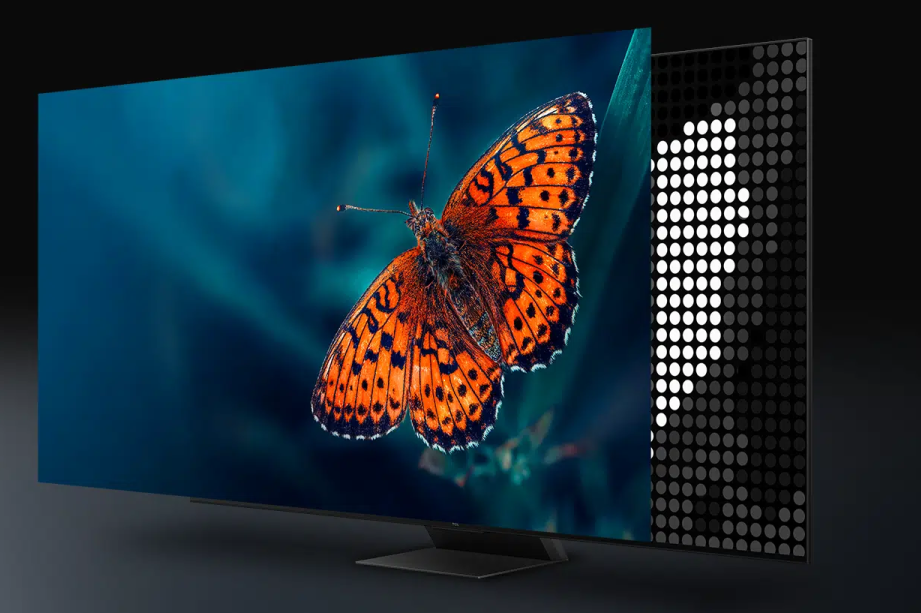
Each pixel of an OLED display can be independently controlled for brightness, and can even be completely turned off, which means that when displaying a black image, the pixels of the OLED display can not emit light at all.
Time-sharing Strategy: Different Modes for Different Time Periods
Through the cloud broadcasting control system, the playing time of multiple screens can be centrally controlled. During peak hours, the screens play advertisements or content at high brightness to ensure visual effects.
During periods with less foot traffic, the screens can automatically switch to ultra-low power mode or only display the most concise content, avoiding high-power operation around the clock.
Status Monitoring: Real-time Monitoring of On/Off Status
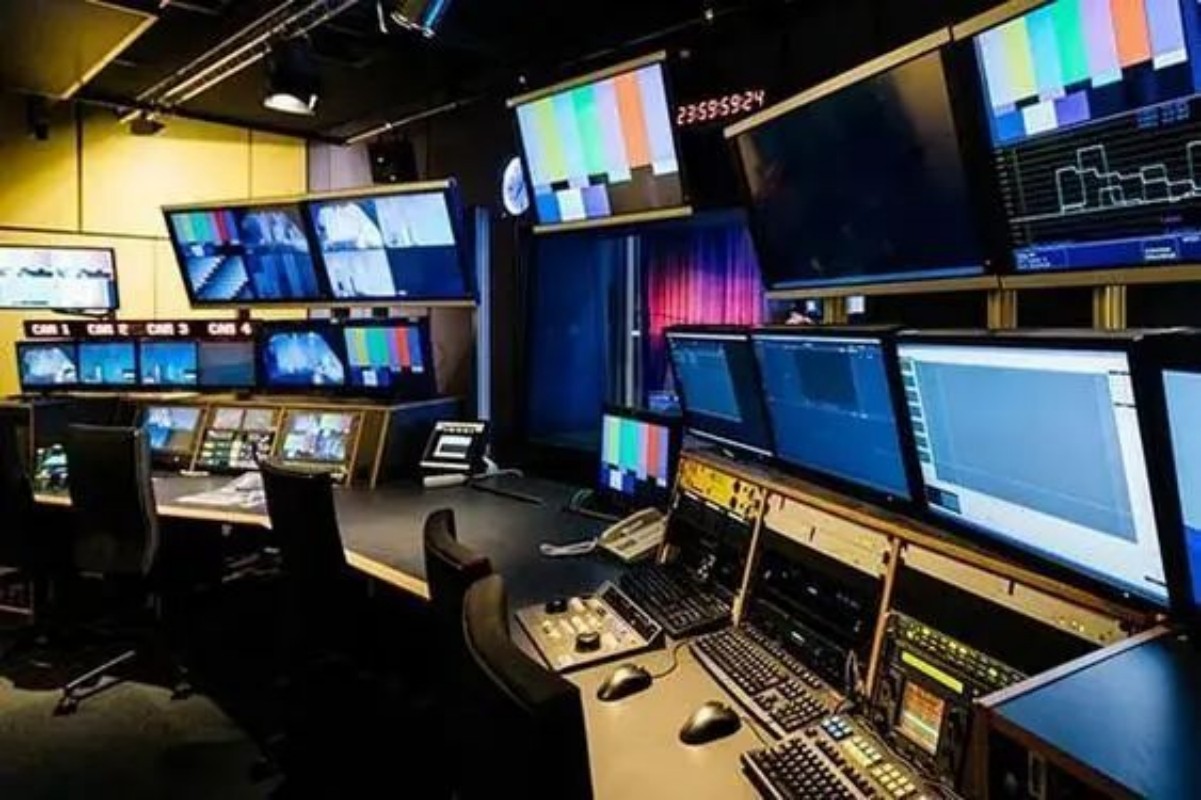
Under the monitoring of the cloud control system, administrators can remotely check the current status of the device. If a device is forgotten to be turned off, the system will automatically issue a reminder or directly turn it off via the cloud to avoid unnecessary power waste.
In addition, administrators can set automatic shutdown times, such as automatically turning off the device after it has been idle for a certain period, to prevent accidental activation or missed shutdowns.
The "slimming" of screen electricity bills is the result of the joint efforts of hardware and software. On the hardware side, structures and materials are used to accelerate the heat dissipation efficiency of the screen; on the software side, the brightness and time periods of the screen are reasonably allocated to reduce unnecessary energy consumption, ultimately achieving energy saving and electricity reduction.
From the perspective of screen manufacturers, we believe that environmental protection should not be expensive. While demonstrating social responsibility, it can also create positive feedback, such as saving more electricity expenses and reducing comprehensive operating costs.
Although "energy saving" is often a less prioritized parameter than brand, performance, and effect when most people choose screens, in the long run, the proportion of this parameter is constantly rising