


Supermarkets:Smart Upgrade All in the screens
In the era of booming e-commerce, online platforms, with their price advantages and logistics distribution, have made more and more consumers tend to choose the mode of online ordering + instant delivery, which has greatly dispersed the customer flow of offline supermarkets.
Under the rapid development of e-commerce, offline supermarkets are being prompted to actively seek new ways out, upgrading in terms of commodity prices, space design and digital experience, aiming to change the usual shopping experience.
Quietly update offline supermarkets
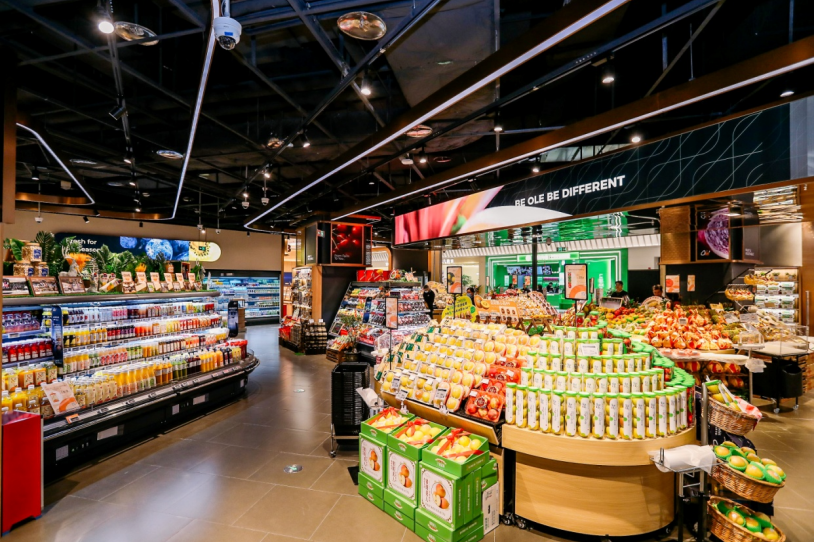
Under the rapid development of e-commerce, offline supermarkets are being prompted to actively seek new ways out, upgrading in terms of commodity prices, space design and digital experience, aiming to change the usual shopping experience.
Take commodity prices as an example. Compared with online, supermarkets often give people the impression of being expensive. However, with the optimization of the supply chain, by streamlining intermediate links and optimizing procurement channels, the prices of many commodities are not only equal to those of e-commerce, but even more favorable.
Another change is that offline supermarkets have become more enjoyable to "visit".
In the scene, more cool technologies, fashion trends and cultural elements are integrated into the space in different forms, and more relaxed scene experiences also provide consumers with higher emotional value.
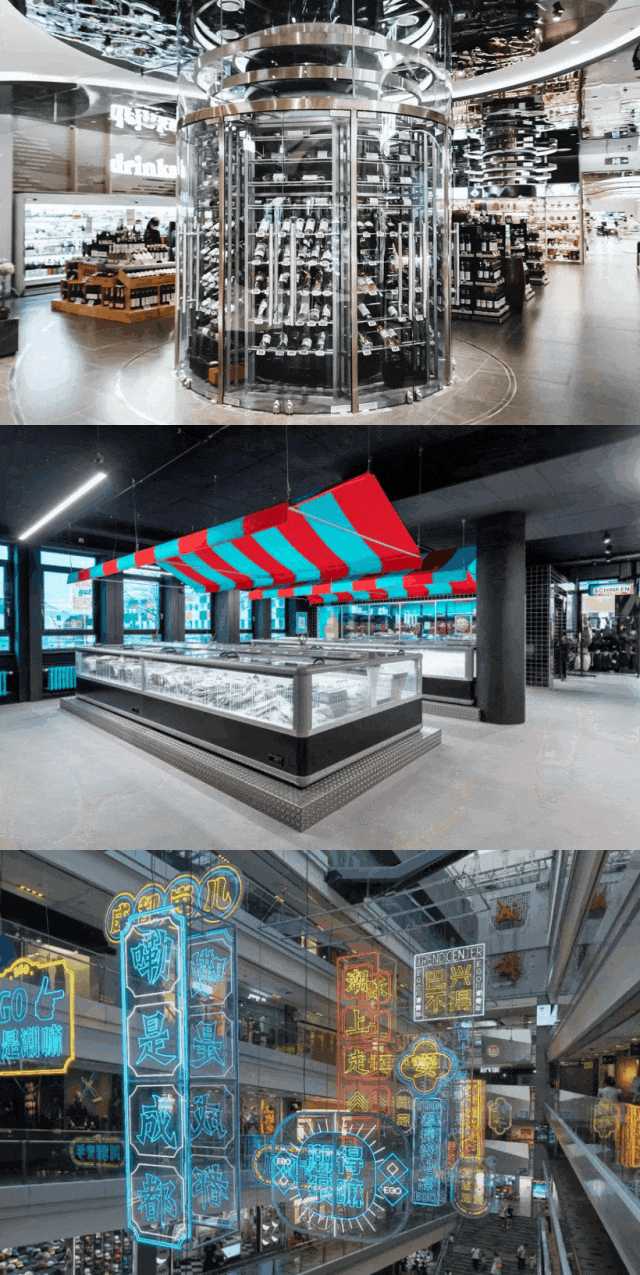
From traditional stores to smart supermarkets
Intelligence is a major trend in the transformation of traditional supermarkets. Offline, supermarkets integrate digital technologies into various scenarios such as consumers' arrival, shopping, consumption and service, so as to create a more intelligent shopping environment.
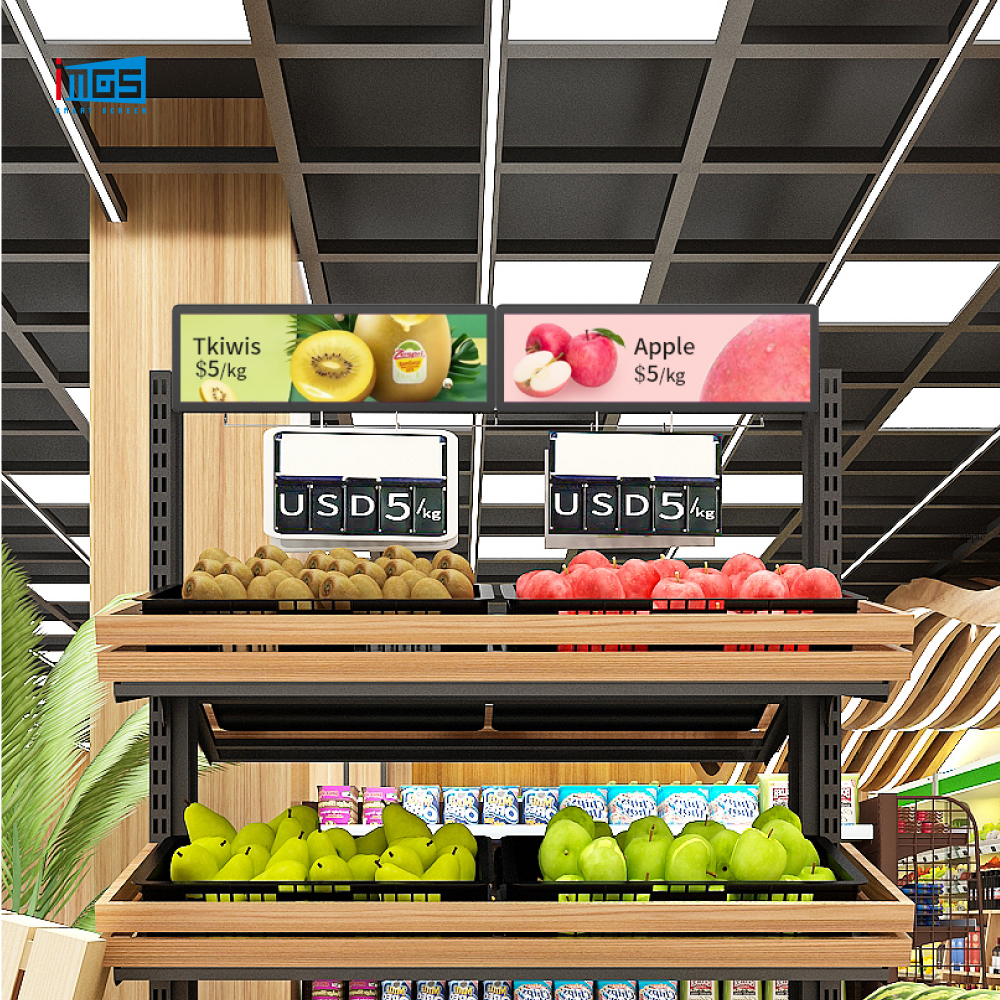
For example, smart shelves can update product information and inventory in real time to ensure sufficient supply of goods; self-checkout systems allow customers to avoid queuing and improve shopping efficiency.
According to a report by RetailNext, up to 42% of Gen Z consumers prefer self-checkout or cashier-free shopping. These technological innovations have significantly reduced waiting time in queues, thus greatly improving the shopping experience.
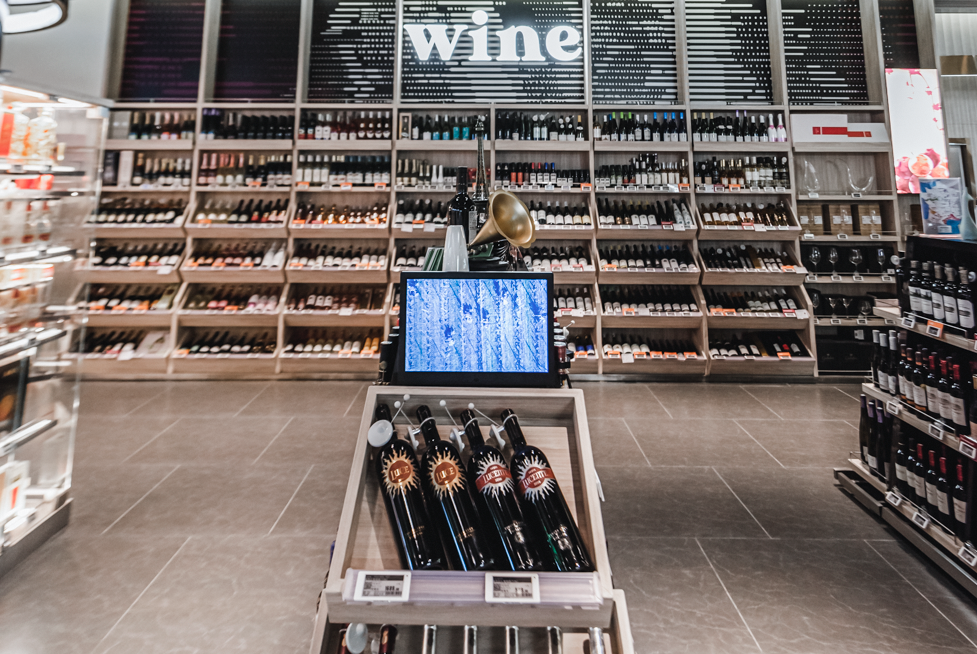
In the eyes of consumers, digitalization may be an abstract concept. The biggest change they can see is that paper advertisements in supermarkets are gradually fading, replaced by various screens.
Paper media, Why replace them with screens ?
In offline supermarkets, the reason why there are more and more screens is nothing more than two reasons: on the brand side, accurate advertising content improves marketing efficiency; on the user side, digital interaction enhances the shopping experience.
Compared with traditional offline advertising forms, the advantages of screens are obvious, and the market has a keen sense of smell.
A marketing tool to activate customer flow
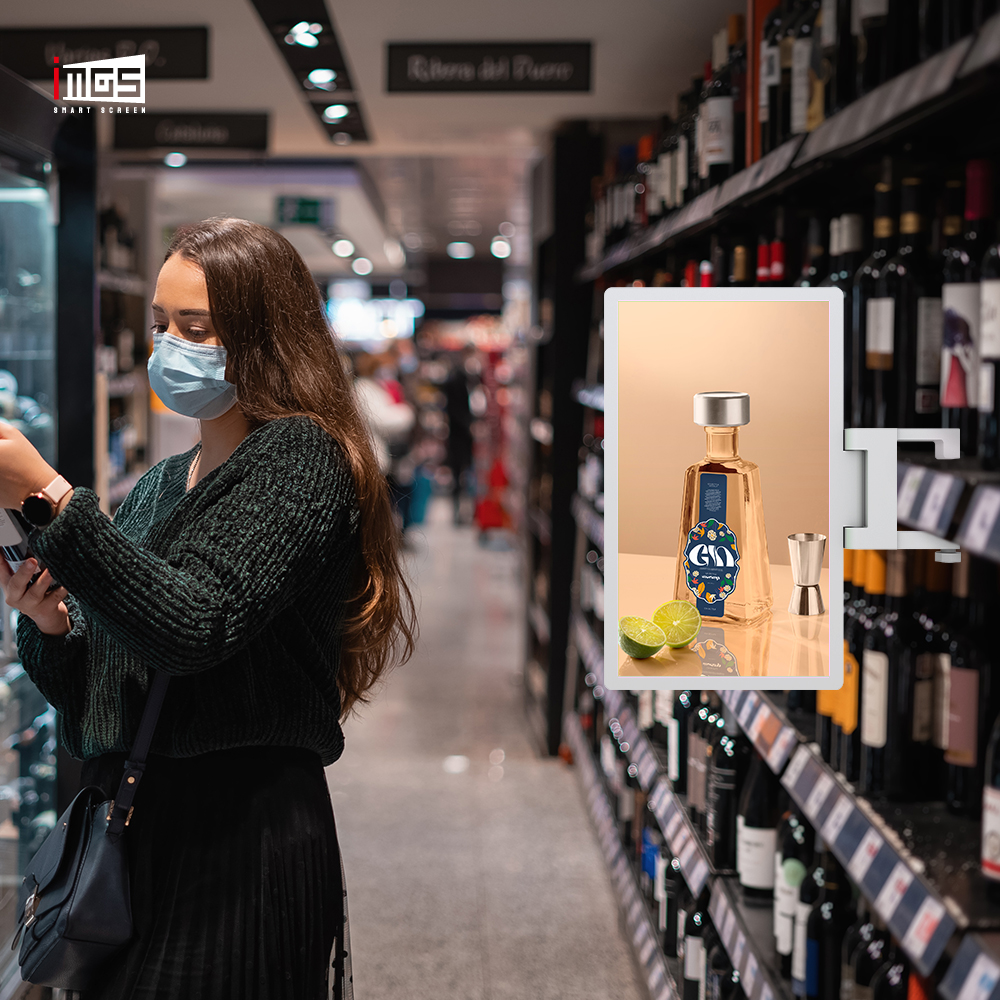
Many small supermarkets such as convenience stores and beauty collection stores have long placed screens indoors, improving consumers' sense of participation through various methods such as precise recommendations, immersive experiences and social interactions.

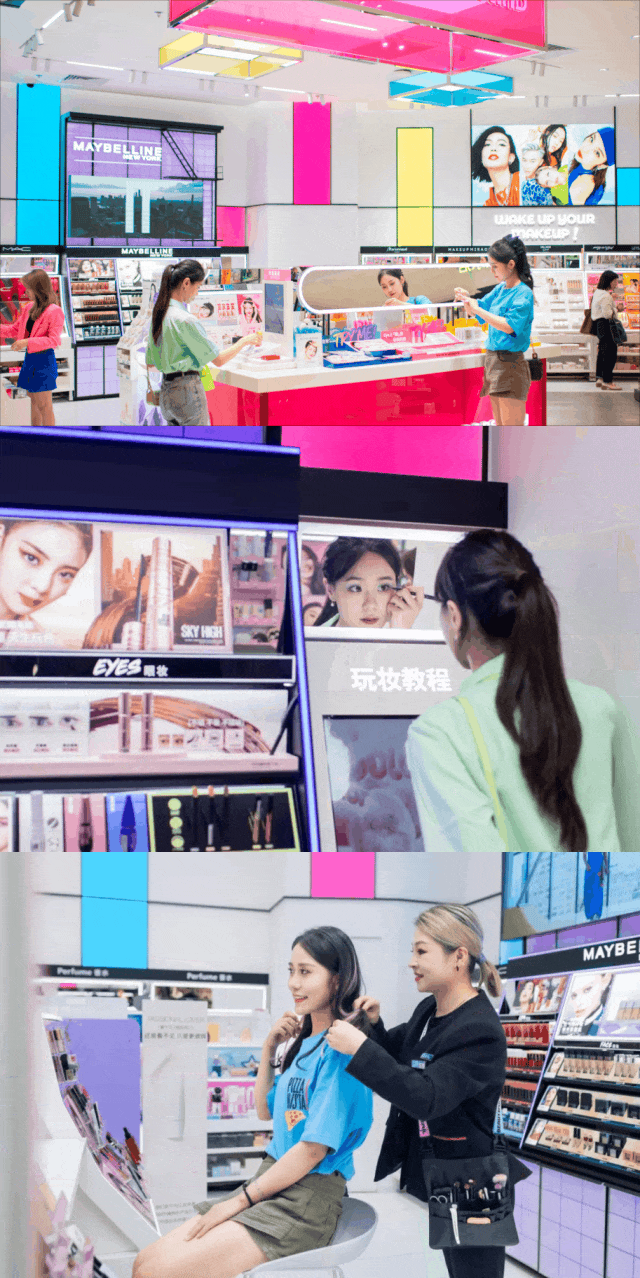
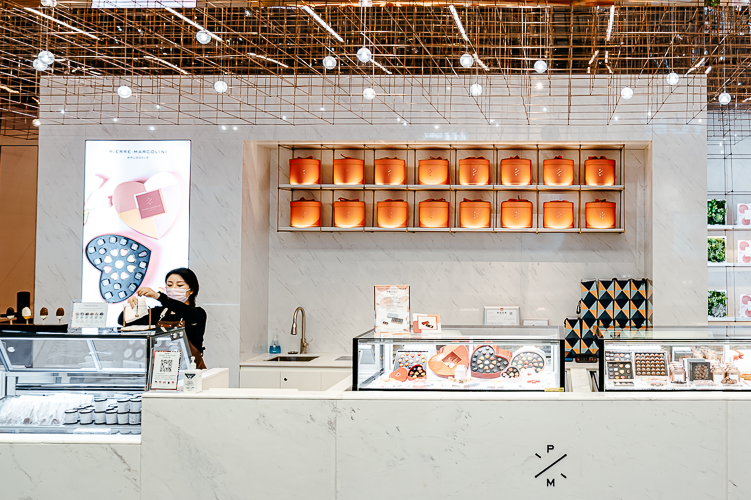
Although screens themselves do not represent digitalization, they are an important manifestation and medium of digitalization.
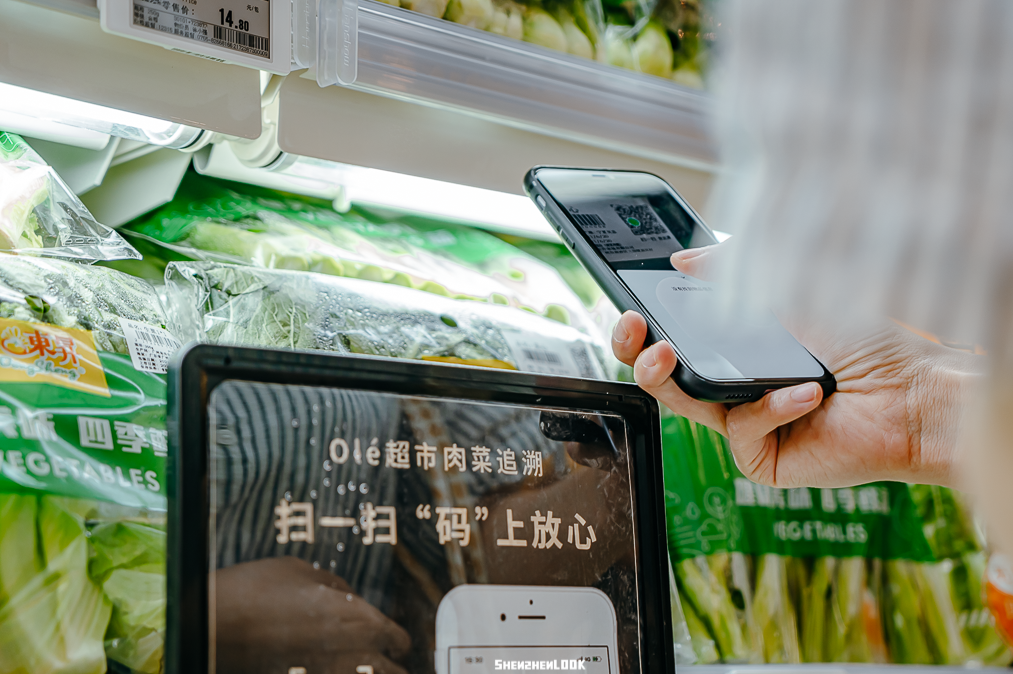
Supermarket staff check the product qualifications and quality inspection reports of freshly arrived fruits, vegetables, seafood every day, and customers can directly scan the code on the screen in front of them to trace the source.
Seamless connection between screen
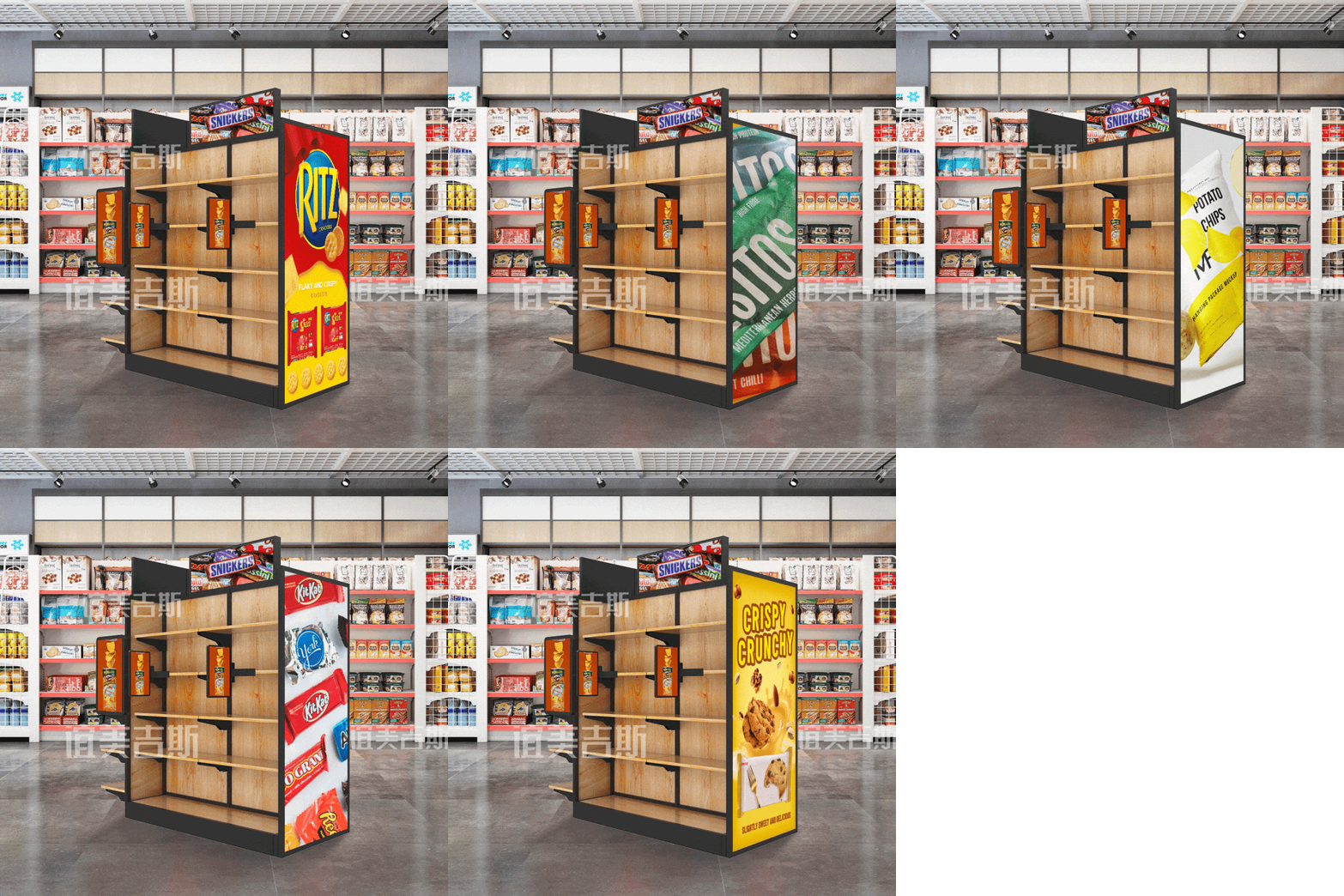
In the process of digital transformation, screens will be an important entry point for offline supermarkets. Their value goes far beyond traditional advertising display, and becomes an important fulcrum to promote supermarkets to achieve digital upgrading, precise marketing and improve operational efficiency.