

Multi-Screen Interaction: From Independent Display to Integrated Collaboration
In recent years, the tech industry has frequently talked about the concept of "Internet of Everything"—for example, one smartphone controlling multiple computers, or a single app managing all home appliances. The connection between devices has become an inevitable trend, and this interconnection is not limited to personal daily life; it also shows great potential in the commercial display sector.
1
Breaking the Limitations of Single Screens
In the past, each screen was a closed system, operating independently like a "lone soldier" and handling isolated, unrelated information.
The limitations of this independent display mode are obvious: each screen usually only shows a part of the information, leading to disjointed delivery of advertisements and fragmented visual experiences for users.

From Information Silos to an Interconnected Ecosystem
From the perspective of operators, as the number of in-store screens increases, updating and managing information on a daily basis becomes extremely cumbersome. However, the technological shift to multi-screen interaction has completely broken this barrier.

2
Synergy Between Screens: 1+1>2
When multiple screens start collaborating as a team, the overall effect they create far exceeds that of the same number of independent screens. This integrated synergy is not a simple addition but a multiplicative growth.
Maintaining Information Relevance
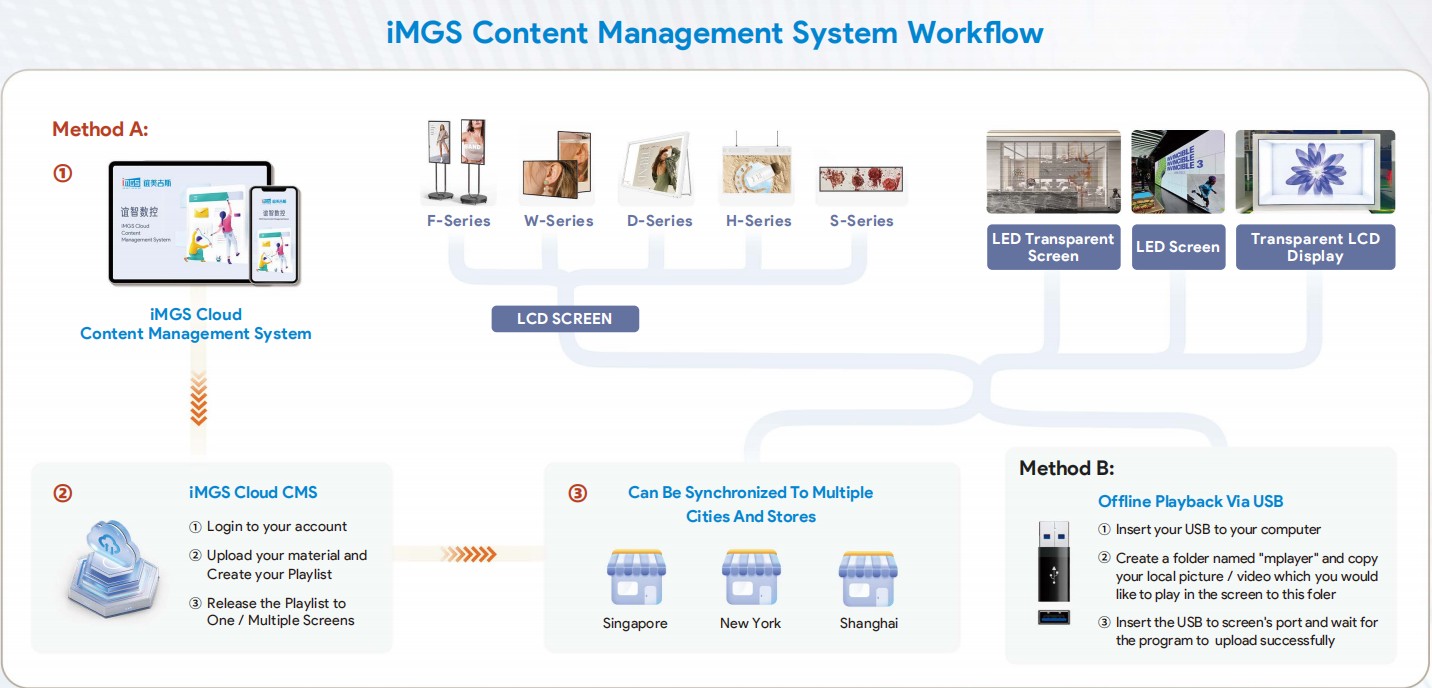
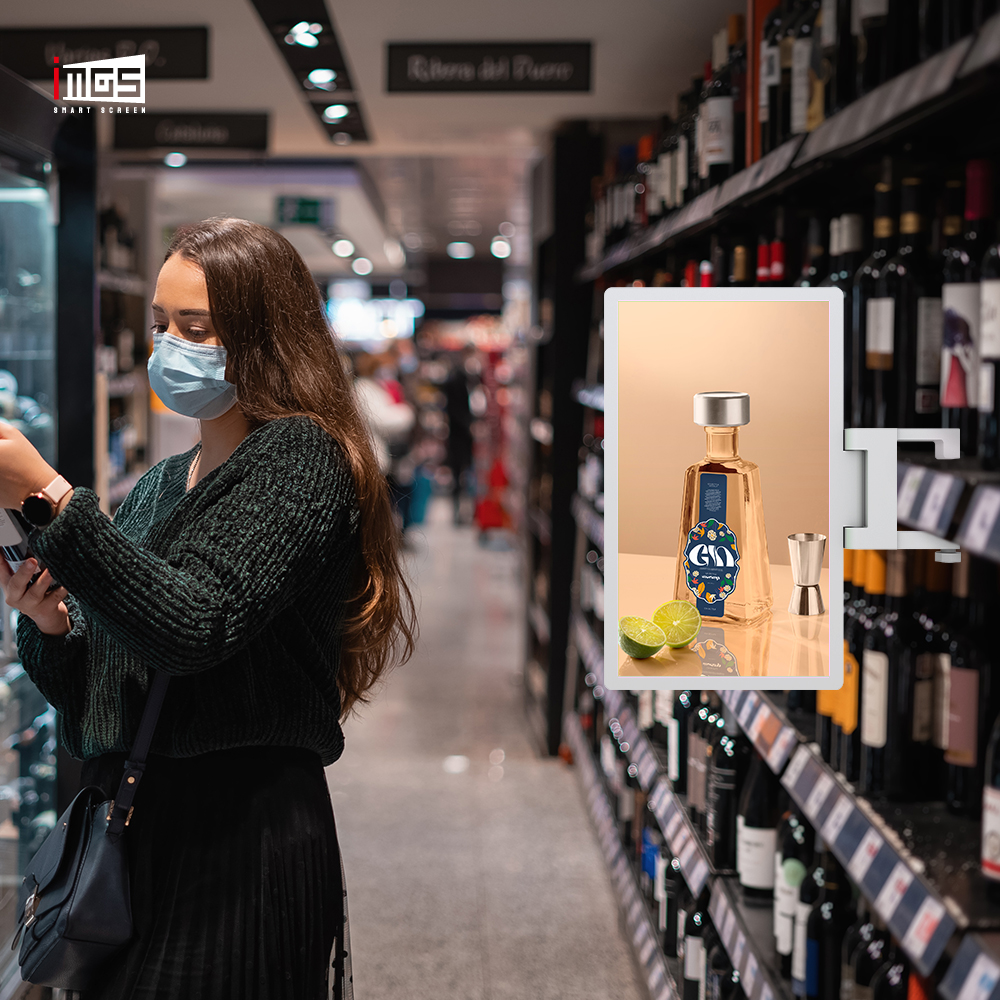
A single advertising screen has limited display range and content, but in a multi-screen interaction system, information across multiple displays can be synchronized in real time. Whether it is advertising images in elevators or product information in retail displays, multi-screen synchronous updates can be achieved.
Enhancing Visual Impact and Immersion
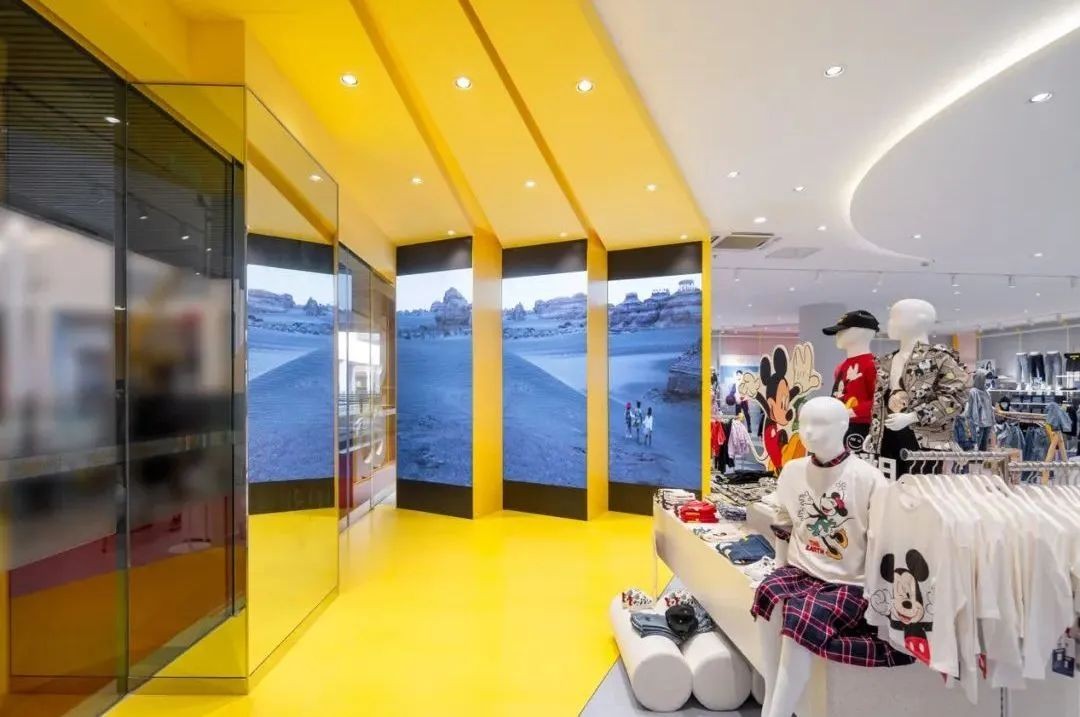
Multi-screen interaction can break through the size limitations of single screens through methods such as splicing expansion and cross-screen linkage, creating a larger visual coverage. In scenarios like stadiums and concert venues, multiple displays are spliced to form a super-large screen, presenting a wide range of information or video content and delivering an immersive visual impact to the audience.

Improving Content Management Efficiency
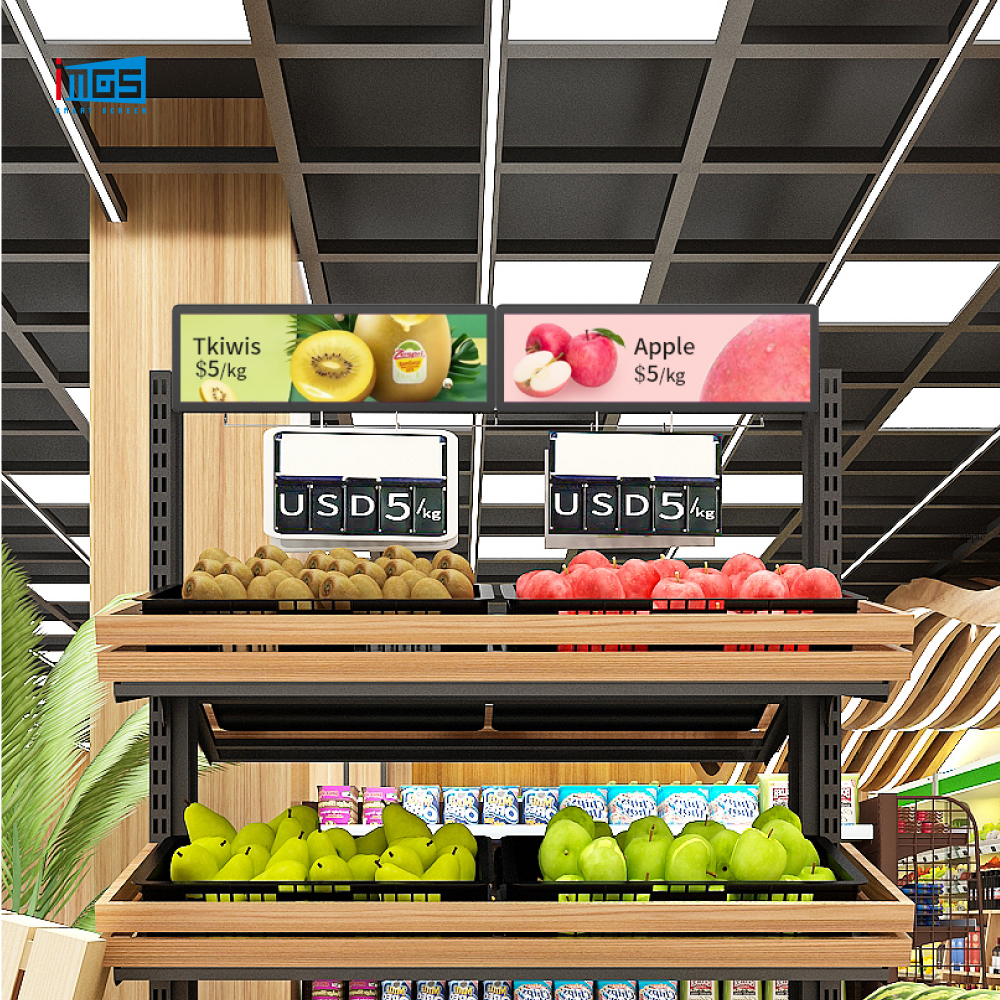
For example, advertising screens placed in different locations within a store can have their content managed uniformly through a backend. Multi-screen interaction technology integrates originally independent advertising screens into a large information display platform, effectively breaking the limitations of single screens and generating a "1+1>2" synergy effect.
3
The Technological Foundation of Multi-Screen Interaction
The collaborative experience of multiple screens relies on solid technical support, mainly divided into two major areas: hardware and software.
Hardware Support: A "Neural Network" for High-Speed Connection
Typically, the content distribution, command transmission, and status monitoring of multiple screens depend on a stable and high-speed network. Low-latency wireless technologies such as 5G and Wi-Fi 6, as well as next-generation display interface technologies, enable the real-time synchronous transmission of massive amounts of data between screens.
Software Support: An "Intelligent Brain" for Collaborative Interaction
Through a cloud system, users can remotely manage and control multi-screen devices distributed in different locations, ensuring the consistency of advertising content and updating it in real time as needed.