



From 4S to 5S: A Single Screen Drives Revenue Growth
With the advent of the digital age, more and more industries are leveraging technological means to enhance offline user experiences.
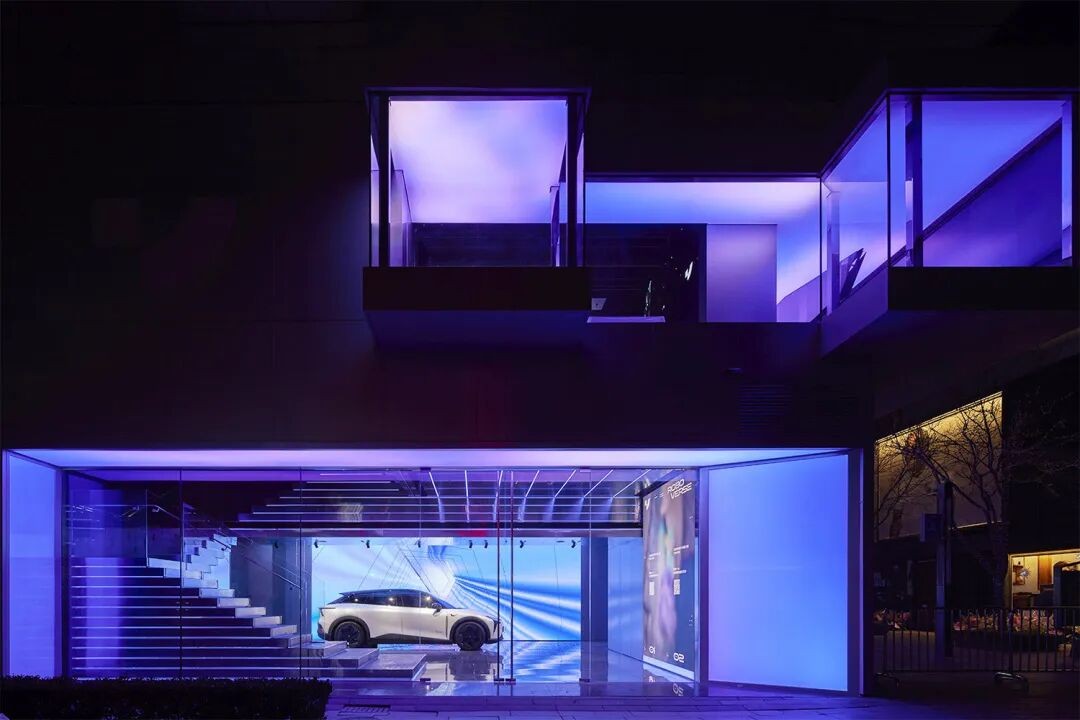
In the automotive industry, the traditional display methods of 4S dealerships are undergoing unprecedented transformation, and the introduction of advertising screens has become a key driver of this change.
Dynamic Screens: Presenting Technical Details
In the past, automotive 4S dealerships mainly relied on physical displays, static billboards, and sales consultants as means of information transmission.
This display method had many limitations: customers could only obtain information about the car’s appearance through simple visual perception, and key technical details were difficult to fully present, relying solely on verbal explanations from sales consultants. Nowadays, advertising screens are changing all this.

Intuitive Technical Demonstration
A car is a highly sophisticated integrated system consisting of numerous technical modules. Through dynamic demonstrations on screens, every technical detail of the car—from conceptual design to technical parameters—can be enlarged and interpreted in detail.
Whether it is core technologies such as the power system and handling performance, or cutting-edge technologies like autonomous driving and panoramic imaging, screen demonstrations can transform tedious technical data into easily understandable content, allowing users to fully grasp the advantages of these technologies.
Dynamic Demonstrations for Different Scenarios
Through scene-switching displays on screens, consumers can see the vehicle’s performance in various driving environments. For example, screens can show the comfort of the vehicle when driving at high speed on highways, its stability when navigating complex off-road sections, and even the precision of its handling when making sharp turns on mountain roads.
These dynamic scenario demonstrations enable consumers to intuitively feel the applicability of the model in different environments even when staying in the dealership, thereby better understanding the actual performance of each vehicle model.

Flexible and versatile advertising screens not only fully engage the audience’s senses but also more intuitively convey the vehicle’s advantageous performance to target users in an easily understandable way.
Visual Impact: Showcasing Product Characteristics
The value of advertising screens lies not only in displaying the vehicle’s appearance and performance but also in serving as a visual supplement to highlight the exquisite craftsmanship and quality embodied in the vehicle model from an indirect perspective.

Scenario-Based Displays: Presenting Multi-Dimensional Traits
As a carrier, screens can accommodate more forms of advertising content, such as elaborate short films produced by automotive brands. Every shot and scene in the short films allows the audience to become more immersed in the brand’s world. Through the situational images presented in the short films, the brand is not just selling a car, but depicting a picture of an ideal lifestyle for consumers.

When the camera focuses on the details of the car body, the texture of the vehicle itself is further enhanced. Whether it is the finely textured interior or the elegant body lines, every textured design is perfectly presented on the screen.

These cinematographic expressions not only showcase the unique aesthetics of the car but also allow users to more comprehensively perceive the multi-dimensional traits of the model: it is not just a simple means of transportation, but also a symbol of pursuing an excellent lifestyle and highlighting personal taste.

Traditional static displays are like reading a technical manual—accurate in information but tedious and boring. The scenario-based presentation of advertising screens transforms the technical manual into a stunning blockbuster, making the craftsmanship and quality of the model more concrete amid the flow of light and shadow, and thus arousing consumers’ desire for the model.
Different Screens for Different Display Needs
In the digital upgrading of 4S dealerships, different types of advertising screens correspond to different display needs.
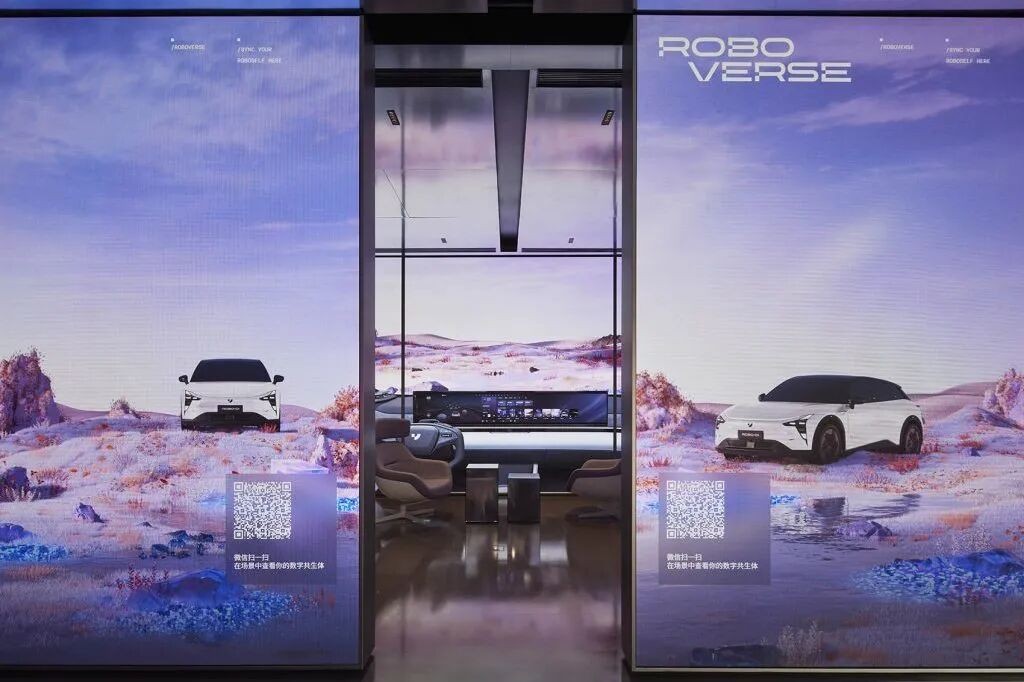
LED Large Screens: Creating Immersive Visual Experiences
If the goal is to enhance the brand image and bring customers a shocking visual experience, large LED displays are the first choice.
Such screens can present large-scale image effects with strong visual impact, creating immersive visual experiences and quickly establishing a profound visual memory.
Transparent Window Screens: Attracting Passing Foot Traffic
In the external display of 4S dealerships, LED transparent window screens have become a powerful tool to attract passers-by into the store. These screens can display high-quality advertising content, stimulate customers’ curiosity and interest, and thereby increase the store entry rate.

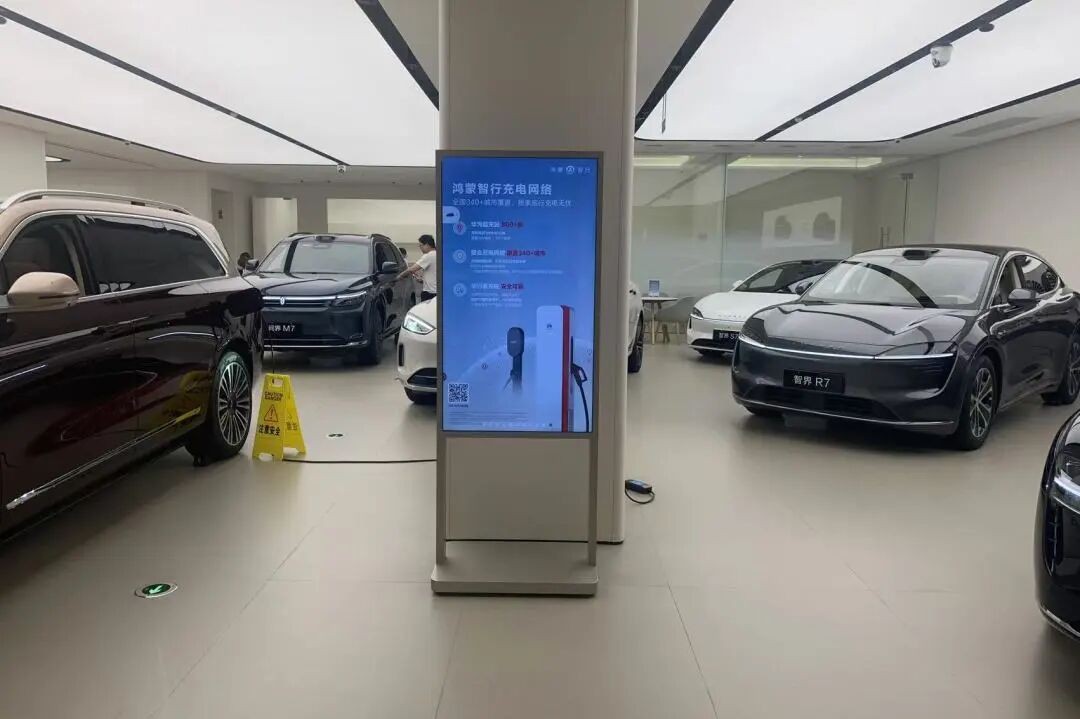
LCD Advertising Players: Supplementing Vehicle Information
Flexible and versatile LCD advertising players can display both static posters and rotating dynamic images, serving as a supplement to vehicle information. By displaying various vehicle characteristics, scenario applicability, and other information through advertising screens, users can obtain key information in a more vivid way, which helps to enhance their understanding of the technical advantages.

LCD Interactive Screens: Improving Service Efficiency
The intelligent wayfinding system represented by LCD interactive screens allows users to independently query performance parameters, prices, and other information of various vehicle models, quickly understand the speed and performance of the cars, and comprehensively improve the information acquisition efficiency of visitors.
LCD interactive screens not only provide the convenience of information query but also offer an experience of in-depth interaction with the brand. With the support of intelligent modules, they can even provide personalized vehicle recommendation services.
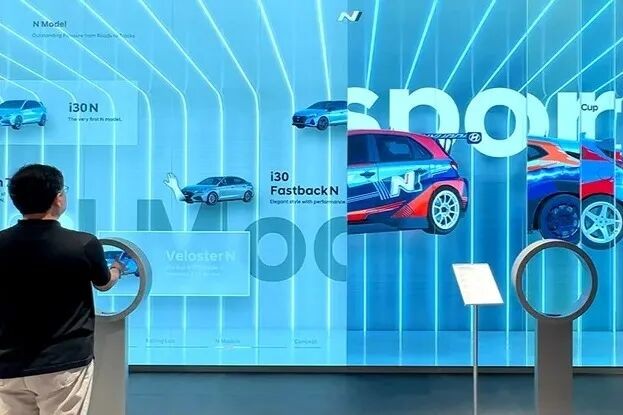
These different types of screens can form a complete digital ecosystem. Each screen performs its own functions while collaborating with one another, jointly telling the brand story, displaying product value, and achieving sales conversion.
From a technical perspective, advertising screens in 4S dealerships are a digital bridge connecting brands and consumers: they transform static technical parameters into dynamic images of speeding vehicles, and through these shocking visual presentations, the characteristics and advantages of each car model are fully demonstrated.