



In retail spaces, walls serve as dividers between interior and exterior, forming clear physical boundaries and defining different functional areas. With the rapid advancement of digital technology, the form of walls is undergoing a profound digital transformation.
By embedding screens to fully digitize walls, they evolve from mere physical barriers into editable dynamic interfaces, redefining spatial boundaries at a perceptual level.
1、Extending the Physical Limits of Space
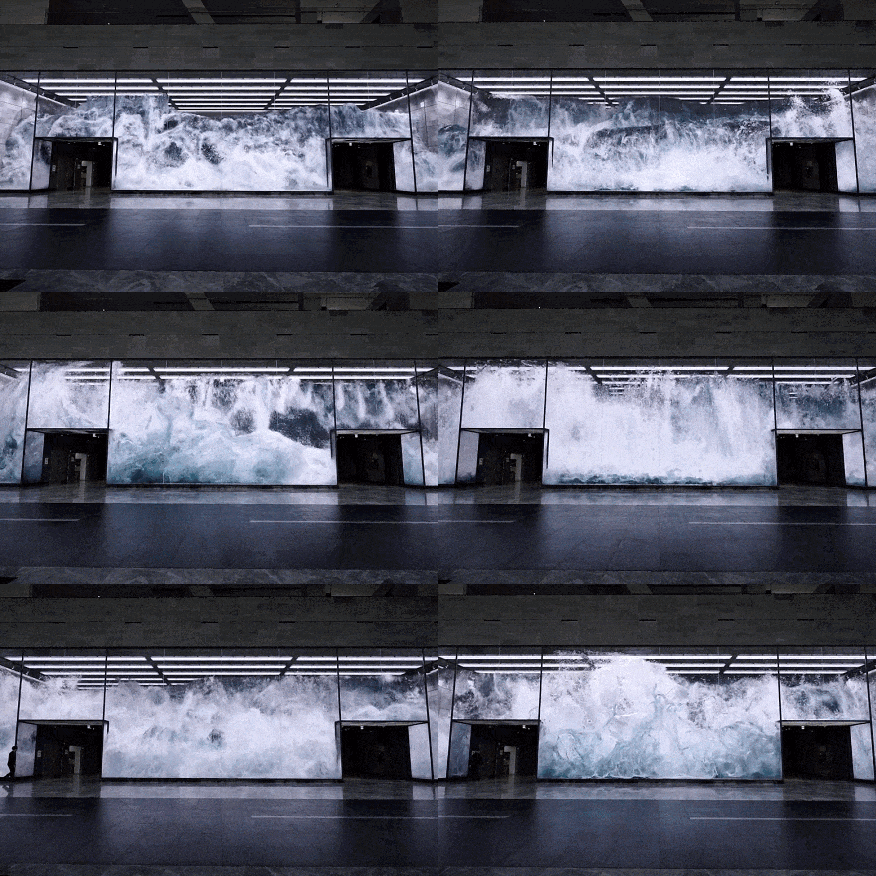
Screens on walls act like a layer of digital skin, overlaying images, light, and interactive interfaces onto reality to create a hybrid state. The magic of this hybrid space lies in its ability to let us perceive beyond physical constraints within a physically limited framework.
Imagine a retail store where the original rigid concrete walls are replaced by a massive circular screen. Digital waves surge across the surface, making the entire space feel as if it’s floating on shimmering light. In such an environment, the line between physical and virtual space blurs, immersing people in an experience that transcends physical boundaries.
Walls that once only provided support and separation, when digitized, become carriers of the virtual world. People’s perception of space is no longer confined to the immediate physical presence.
Screens do not destroy physical walls; instead, they endow them with a "quasi-disappearing" state, allowing perception to extend through the wall into the digital space. This change enables fixed physical spaces to showcase richer content perceptions, invisibly extending their physical limits.
2、Boundless Digital Visual Realm
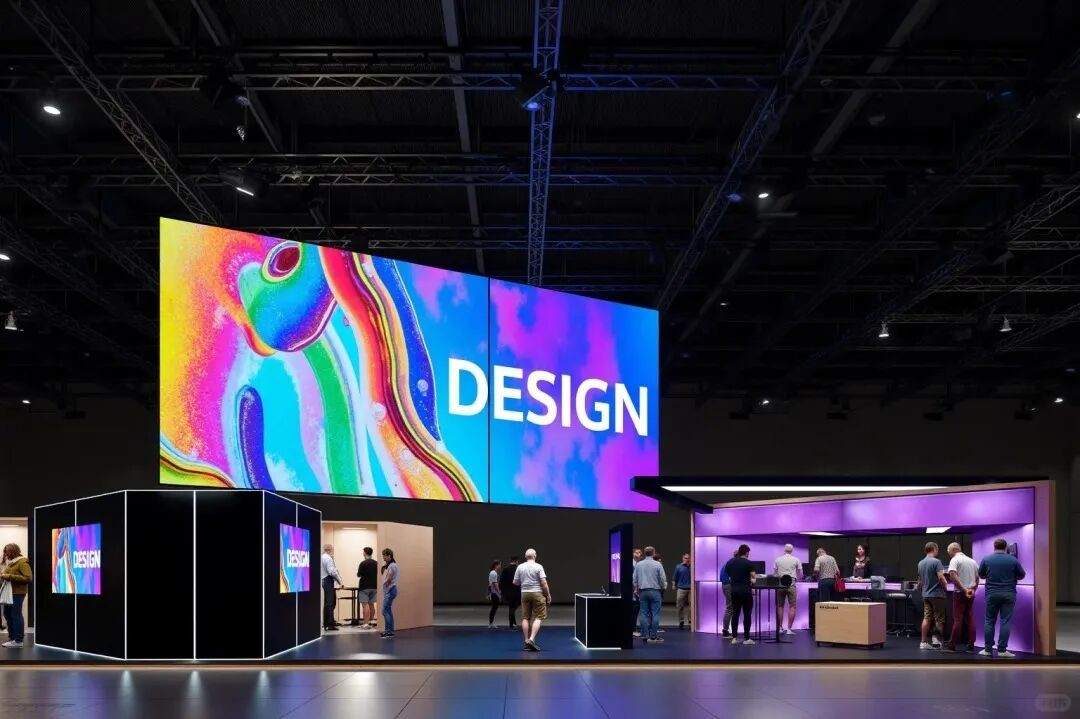
Most walls in spaces are often silent, standing firmly with little change. Screens, however, transform static walls into real-time editable interfaces, creating more diverse visual expressions.
A Visual Portal
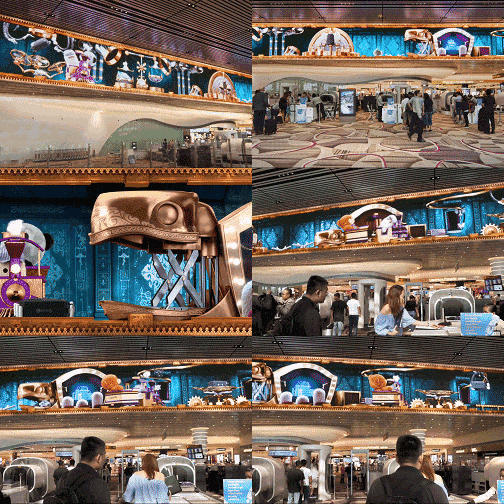
Screen-equipped walls are like windows opening to another world, expanding people’s horizons to broader realms and transporting them to any digitally constructed scene. This liberation of vision reaches its peak in immersive exhibitions and virtual reality technologies.
When visitors step into an art space surrounded by 360° circular screens, they seem to enter a completely virtual world where various scenes can be brought up close. In automotive brand experience centers, circular wall screens are often used to immerse audiences in racing tracks, quiet forests, or urban neon lights, offering a wonderful roaming experience.

In traditional spaces, physical walls enclose a limited physical container. In contrast, screen-enabled walls can present countless content variations, constructing a boundless digital realm where viewers’ sight can wander freely.
3、Expanding the Information Capacity of Space
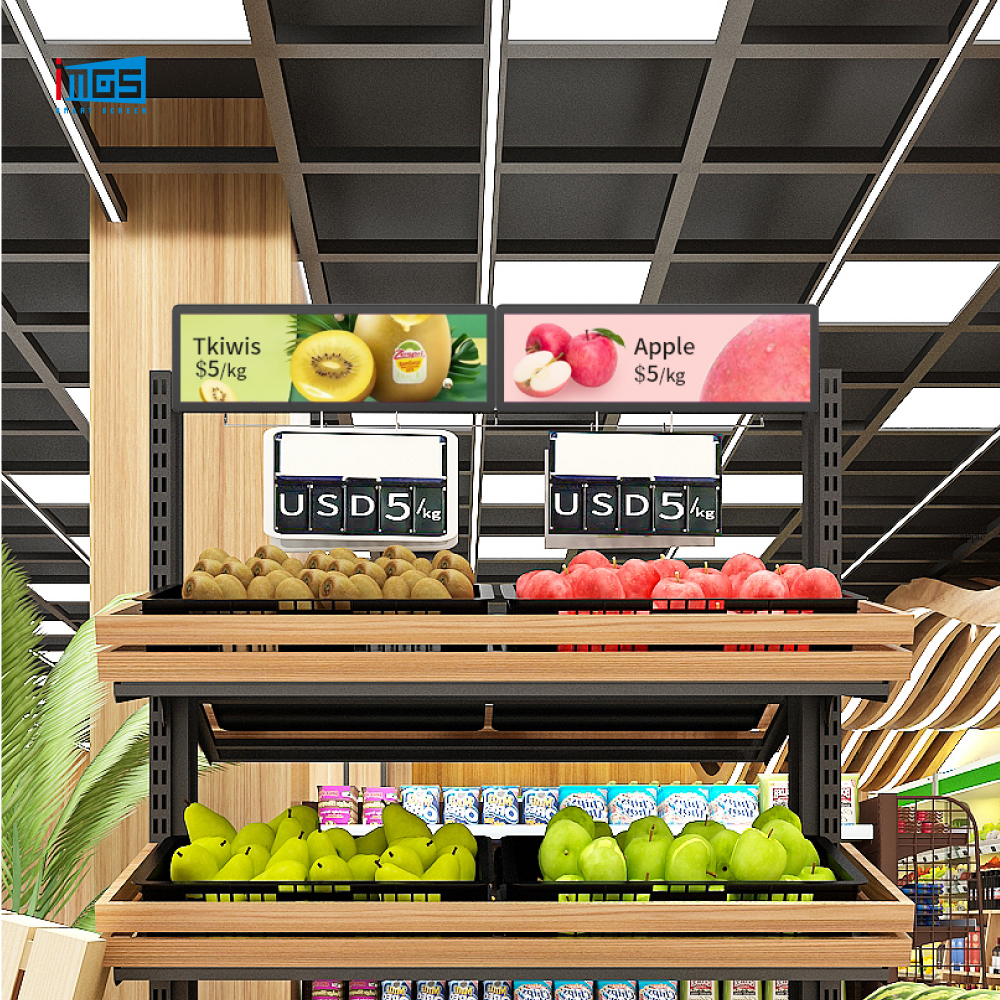
In retail spaces, the information-carrying capacity of physical walls is extremely limited—whether posting posters or displaying products, it is restricted by the wall’s actual area. Digitized walls, in a sense, break through the limits of information carrying on physical surfaces.
4、The Emergence of Unlimited-Dimension Information
Unlike traditional physical walls, the greatest advantage of screen-enabled walls is that they are inherently databases with theoretically unlimited information capacity. As information carriers, screens not only display images, videos, and text but also allow real-time updates and switching as needed.
Take museums as an example: traditional exhibits are often limited by space size, but digital screens can break this constraint, offering more diverse and rich information display methods. Through wall screens, visitors can not only view numerous cultural relic images but also click on interfaces to learn background stories, character relationships, and even witness virtual scene restorations.
Empowered by digitalization, walls have evolved from physical surfaces for posters into information interfaces that cycle brand content. Product displays have also been upgraded, dynamically presenting everything from design concepts to usage scenarios.

◎ iMGS’s wall screens switch content and information of different car models in real time.
In summary, screens are transforming walls from static physical barriers into dynamic information media, thereby redefining the relationship between humans and space. They do not make walls truly disappear; instead, they overlay multiple layers of digital boundaries, visual windows, and information data on their surfaces, bridging the real and the virtual to create a hybrid visual experience.