


You need a large-format screen. Maybe it's for your retail flagship store, a corporate lobby, or a trade show booth. You search online, find dozens of LED display manufacturer listings, and immediately run into the same problem: every supplier claims to offer the best indoor LED display on the market, yet specs vary wildly and prices are all over the place.
This guide cuts through the noise. It covers what indoor LED technology actually is, how it compares to LCD digital signage, which specs matter and which don't, where these displays perform best, and what to check before you sign a purchase order with any LED display manufacturer.
One thing upfront: the difference between buying from a direct LED display manufacturer versus a trading company can save you 20–40% on unit cost and dramatically improve your post-sales support experience. That alone makes it worth understanding how to evaluate suppliers before you commit.
6,000m² Factory Base | 400+ Classic Cases | 85+ Patent Certificates | 1,000+ Projects Worldwide |
$14.8B Global LED Display Market (2024) | 11.2% Projected Annual Growth Rate | 100,000+ Typical LED Panel Lifespan (hrs) | P1.2–P4 Common Indoor Pixel Pitch Range |
Indoor LED Display vs LCD Digital Signage: Which One Do You Actually Need?
This is the first question most buyers get wrong. Both technologies display content. Both can run video, still images, and live data. But they solve different problems.
An indoor LED display is built from modular panels that tile together. You can build a screen that's 3 meters wide, 10 meters wide, or any size in between. There are no bezels between panels, so the image is continuous. LCD digital signage uses a fixed-size monitor — one screen, one frame, done.
Here is a direct comparison:
Feature | Indoor LED Display | LCD Digital Signage |
Pixel Pitch | P1.2 – P4 (seamless) | Fixed panel (bezel gap) |
Screen Size | Fully scalable (any size) | Standard sizes up to 98" |
Brightness | 600 – 1,500 nits (indoor) | 300 – 700 nits |
Best For | Large walls, open spaces | Single screens, kiosks |
Installation | Modular panels | Wall mount / stand |
Viewing Angle | 160° wide | 178° (IPS) |
Lifespan | 100,000+ hours | 50,000 – 70,000 hours |
The short answer: if you need a screen larger than 98 inches or want a seamless video wall, indoor LED display is the right choice. For individual product displays, kiosks, or smaller format screens, LCD panels are simpler and often more cost-effective.
One more thing worth saying plainly: LED display manufacturer pricing has dropped significantly over the past five years. A P2.5 indoor LED display that cost $80,000 in 2018 can be sourced directly from a factory for under $20,000 today. That changes the calculus considerably.
Key Specs That Actually Matter for Indoor LED Displays
Manufacturers will send you spec sheets with 20 technical parameters. Most of them won't affect your purchasing decision. A reliable LED display manufacturer will help you narrow down to what's relevant for your specific use case. Focus on these four:
Pixel Pitch (P value)
Pixel pitch is the distance between two LED clusters, measured in millimeters. A P2 indoor LED display has 2mm between pixels. Lower number = more pixels = sharper image.
• P1.2 – P1.8: conference rooms, close-range viewing (under 3 meters)
• P2 – P2.5: retail stores, showrooms, corporate lobbies
• P3 – P4: larger venues where viewers stand 4+ meters away
Brightness (Nits)
Indoor environments need 600 to 1,200 nits. Anything below 500 nits will look washed out under store lighting or sunlight through windows. You don't need 5,000-nit outdoor-rated panels indoors — they draw more power and produce more heat without any visual benefit.
Refresh Rate
A refresh rate of 1,920Hz or higher ensures the display looks clean in photos and videos. This matters especially for retail environments where customers photograph products next to the screen. Lower refresh rates create visible scan lines on camera — something that can undermine your brand presentation.
Cabinet Material
Die-cast aluminum cabinets are lighter, dissipate heat faster, and last longer than iron cabinets. If a supplier quotes you an unusually low price, check the cabinet spec first. That's usually where corners get cut.
Where Indoor LED Displays Perform Best
Not every space benefits from LED. These are the venues where indoor LED displays consistently outperform alternatives. When evaluating options, ask your LED display manufacturer to provide reference projects in similar environments — a good factory will have documented case examples.
Retail Flagship Stores
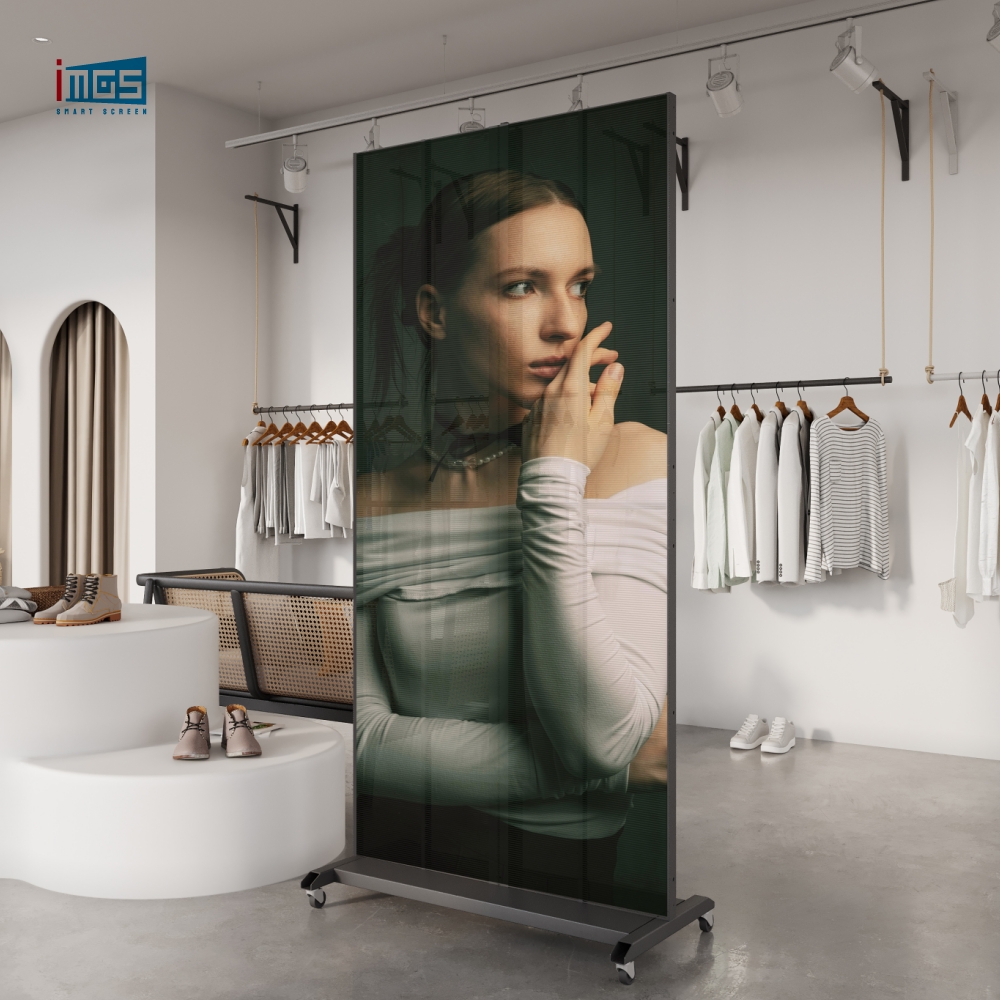
A seamless indoor LED display wall behind a product display creates visual impact that individual screens cannot match. Nike's House of Innovation stores use floor-to-ceiling LED walls in key sections to amplify product launches. The wall becomes part of the store design, not just a screen bolted to it.
Corporate Showrooms and Lobbies
Companies use indoor LED displays in reception areas to loop brand content, financial data, and welcome messaging. Unlike a TV mounted on a wall, a properly installed LED video wall conveys permanence and scale — it signals that the company is serious about its presentation.
Conference Centers and Event Venues
Stage backdrops, breakout room screens, and wayfinding walls all benefit from the scalability of modular LED panels. A single LED display manufacturer can supply panels in custom configurations that fit the exact dimensions of the space.
Sports Facilities and Entertainment
Perimeter boards, scorer's tables, and digital advertising displays inside stadiums are almost universally LED. The high refresh rate and wide viewing angle make them readable from any seat.
How Real Brands Use Indoor LED Displays
Nike: House of Innovation, Shanghai
Nike's flagship store in Shanghai installed a continuous LED display system spanning multiple floors. The screens display product lifestyle content synced to in-store events and athlete campaigns. According to Nike's retail operations reports, stores with immersive digital environments see measurably higher average transaction values compared to standard retail formats. The LED wall functions as a brand statement, not just an advertising medium.
Marriott Hotels: Lobby Digital Experience
Marriott International has deployed indoor LED display panels across select hotel lobbies as part of its next-generation guest experience program. The displays provide local information, brand content, and event schedules. Hotel management reported that LED lobby installations contributed to higher guest satisfaction scores in post-stay surveys, with guests citing the quality of environmental design as a positive factor. The modular format allowed Marriott to adapt screen sizes to each property's specific lobby dimensions.
Why Source Your Indoor LED Display Directly from a Manufacturer
Most buyers purchasing LED displays in Western markets are dealing with distributors or trading companies, not the factory that actually made the product. That matters for three reasons.
• Price: Distributors add 20–40% margin on top of factory cost. A direct LED display manufacturer relationship eliminates that layer.
• Customization: Trading companies sell what's in stock. Factories can modify pixel pitch, cabinet dimensions, cabinet color, and control systems to fit your project requirements.
• After-sales support: When a panel fails two years post-installation, you want to speak directly with the team that built it — not a middleman who may no longer carry that product line.
iMGS is a direct LED display manufacturer based in Xiamen, China, operating a 6,000m² production facility. We hold 85+ patents across display hardware and manufacture every unit in-house — no subcontracting, no third-party assembly.
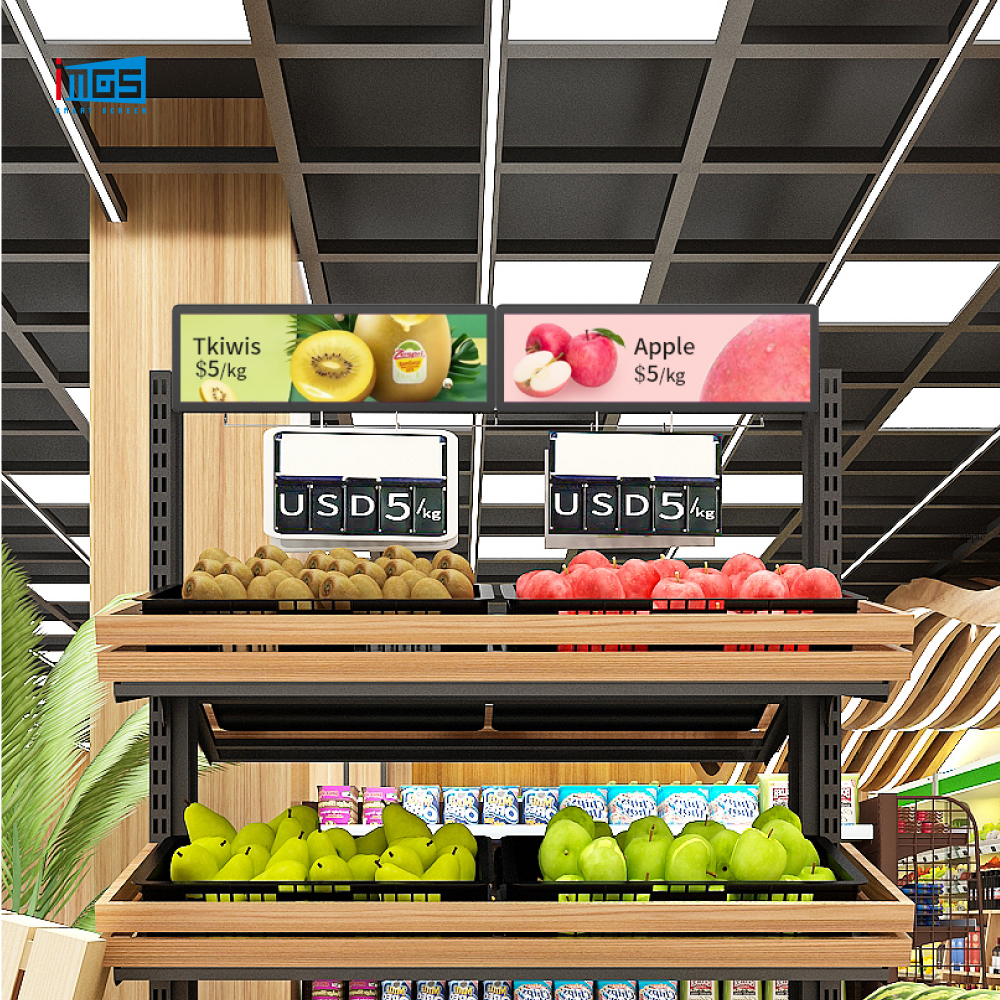
Our product line includes indoor LED display panels in standard and custom configurations, alongside digital signage, touch screen kiosks, shelf screens, and LCD monitors. Every unit goes through 100% power-on testing before shipment.
Learn more about our factory and production capabilities on our LED display manufacturer profile page.
iMGS Indoor LED Display Products
Indoor LED Display — Modular Panel System Available in P1.2, P1.8, P2, P2.5, P3, P4. Die-cast aluminum cabinet, 1,920Hz refresh rate, supports custom cabinet dimensions. Suitable for retail, corporate, hospitality, and event venues. |
Interactive Advertising Display — 75" Touch Screen For venues requiring interactive content alongside large-format display. IR touch, 4K resolution, compatible with most CMS platforms. |
What to Ask Before You Place an Order
Whether you're sourcing from iMGS or any other LED display manufacturer, run through this checklist before signing a purchase order. These questions apply to every LED display manufacturer, regardless of size or reputation:
• Can the supplier provide a physical sample panel before bulk order?
• What is the cabinet material — die-cast aluminum or iron?
• What refresh rate is guaranteed, and is it verified by test report?
• Does the factory hold CE and FCC certifications for the target market?
• What is the warranty period and replacement parts lead time?
• Is the supplier a direct factory or a trading company? Ask for factory registration documents.
• Does the indoor LED display ship with a control processor, or is that sold separately?
Ready to Source Indoor LED Displays? Get factory-direct pricing, technical specs, and sample options from iMGS. �� irenepan@fj-imgs.com �� +86-18850151946 |