



The term HDR appears in the specifications of many devices—smartphones, TVs, monitors, and beyond. Whether a screen supports HDR has also become a key selling point for display performance.
When we strip away the marketing hype and focus on the actual user experience, a question arises: What tangible improvements does HDR truly bring to a screen’s visual performance?
01. What Exactly Is HDR?
First, let’s clarify what HDR is.
HDR, short for High Dynamic Range, refers to the ratio of brightness between the brightest and darkest areas in an image. The higher this ratio, the more details the image can simultaneously present in both bright and dark regions.
The widespread adoption of this technology can be traced back to one simple fact: the human eye is extremely "demanding".

Making Images Match Human Visual Perception
The human eye is highly sensitive to brightness and color in the real world. It can precisely capture the subtlest variations—from the dimmest shadows to the brightest highlights.
In contrast, both the imaging equipment used to capture scenes and the display devices used to present them struggle to fully replicate the natural brightness and color ranges perceived by the human eye.This is where HDR technology comes in. It ensures that bright areas of an image do not become overexposed, while dark areas retain rich details, delivering a viewing experience that feels more realistic and natural.
By comparison, traditional SDR (Standard Dynamic Range) often loses details in both highlight and shadow regions. Dark areas fail to achieve true depth, and bright areas lack clear gradation, resulting in visuals that pale in comparison to HDR.
In a sense, HDR bridges the gap between the innate capabilities of human vision and the limitations of display technology, allowing viewers to see images with lifelike light, shadow, and color that closely mirror real-world perception.
02. What Visual Differences Does HDR Bring?
Seeing Details in the Dark
Traditional display technology tends to render dark areas as a murky, uniform gray, obscuring all details and layers that should be hidden in the shadows.
HDR, by contrast, significantly enhances image contrast. It makes bright areas brighter and dark areas deeper—all while preserving shadow details.


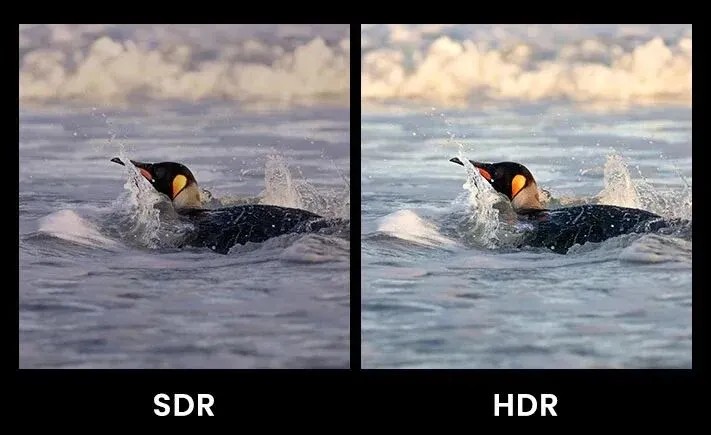
Example: The dark areas in Image 1 appear blurry, whereas Image 2 retains clear details in those regions.
In night scenes or images with complex light and shadow interplay, HDR reveals textures in dark areas and gradations in shadows, while preventing bright highlights from washing out into a uniform white blur.

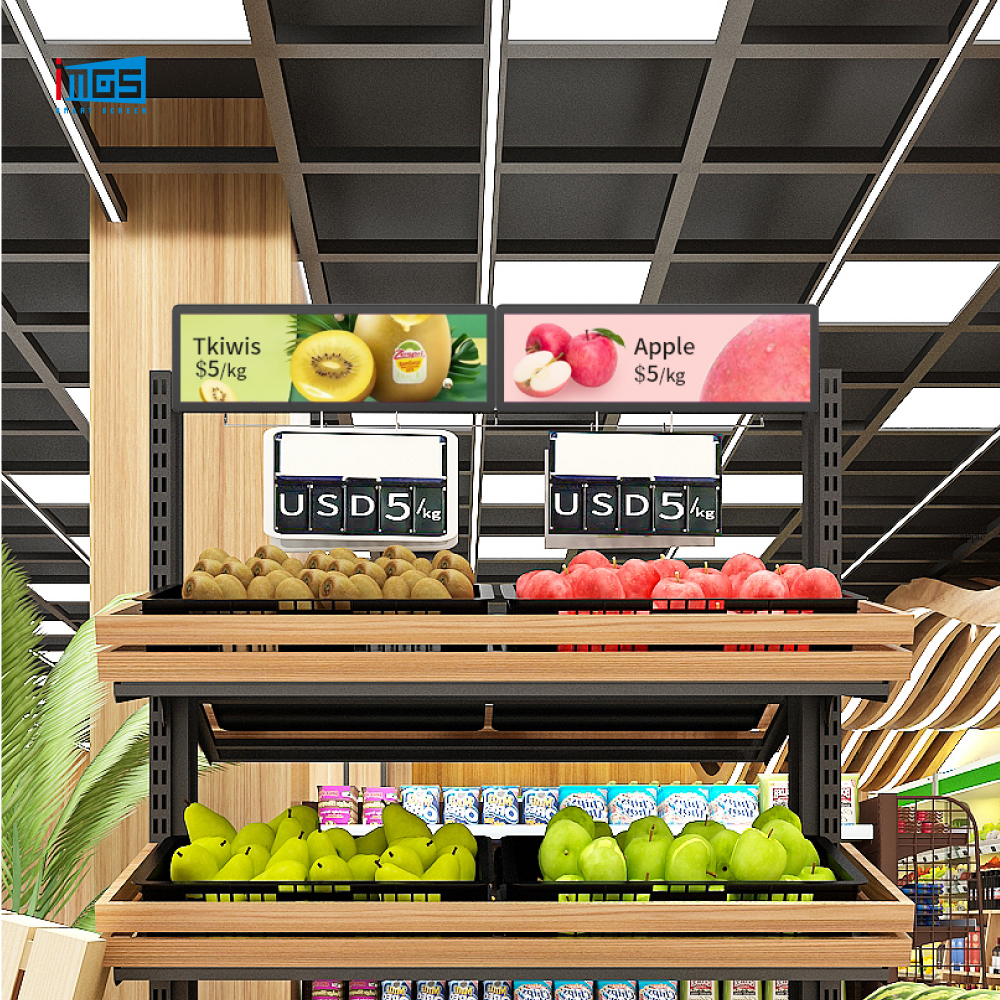
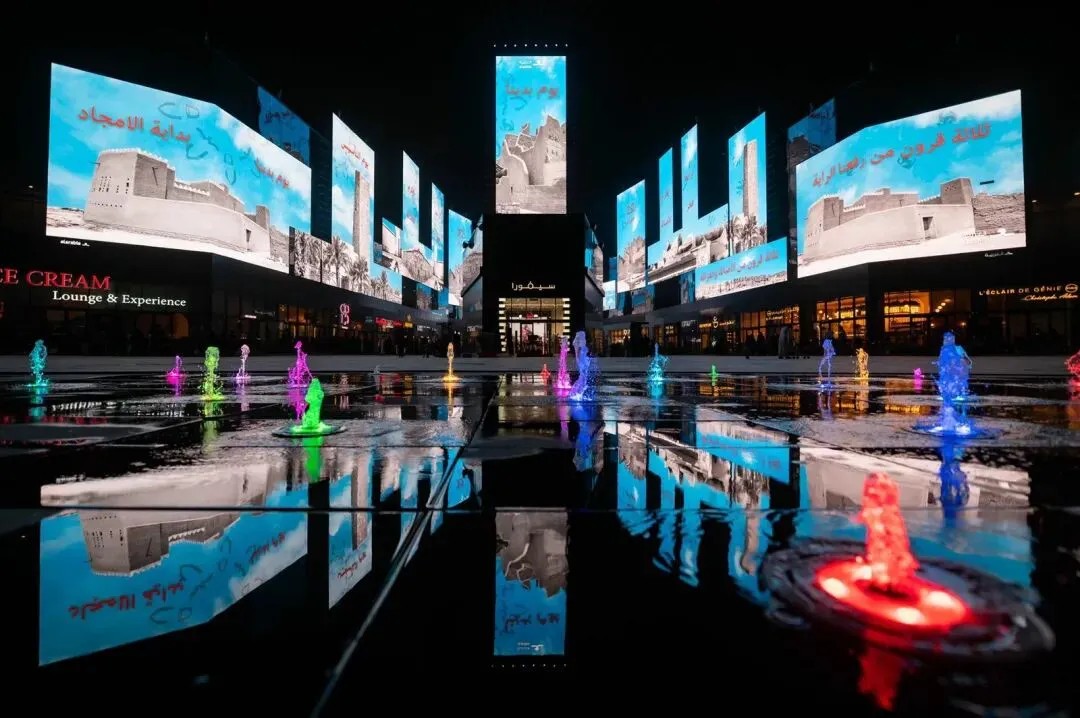
Case in point: iMGS Commercial Displays support HDR effects for more lifelike color and imagery.
An Uncompressed Visual Experience
Compared to SDR, HDR boasts a much wider color gamut. Currently, SDR typically adheres to the BT.709 color standard, which can reproduce approximately 35% of the colors visible to the human eye.
HDR, on the other hand, uses the BT.2020 color standard, expanding the reproducible color range to over 75% and resulting in more vibrant, vivid visuals.
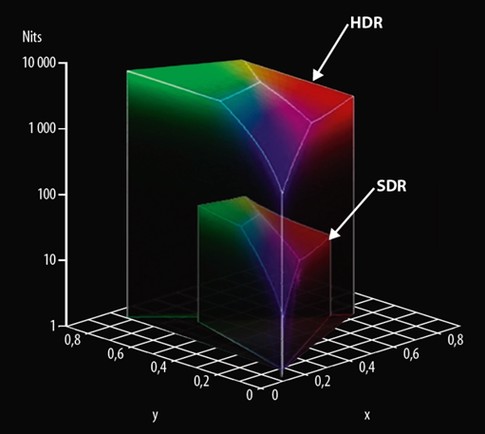
Note: For displays, a larger color gamut coverage means a broader range of colors can be shown, leading to richer color gradations.
Additionally, HDR improves a display’s color depth. Traditional SDR displays usually offer 6-bit or 8-bit color depth, while HDR requires a minimum of 10-bit, and even 12-bit in some cases. This results in smoother color transitions, eliminating visible color banding that can mar image quality.

Illustration: A comparison of 8-bit vs. 10-bit color depth shows a clear difference in the smoothness of color gradients.
Dynamic Mapping for Different Content
The true essence of HDR lies in the word "dynamic". Unlike SDR, which applies uniform brightness mapping across the entire image, HDR displays can automatically adjust brightness and color based on different content and scenes to optimize visual performance.
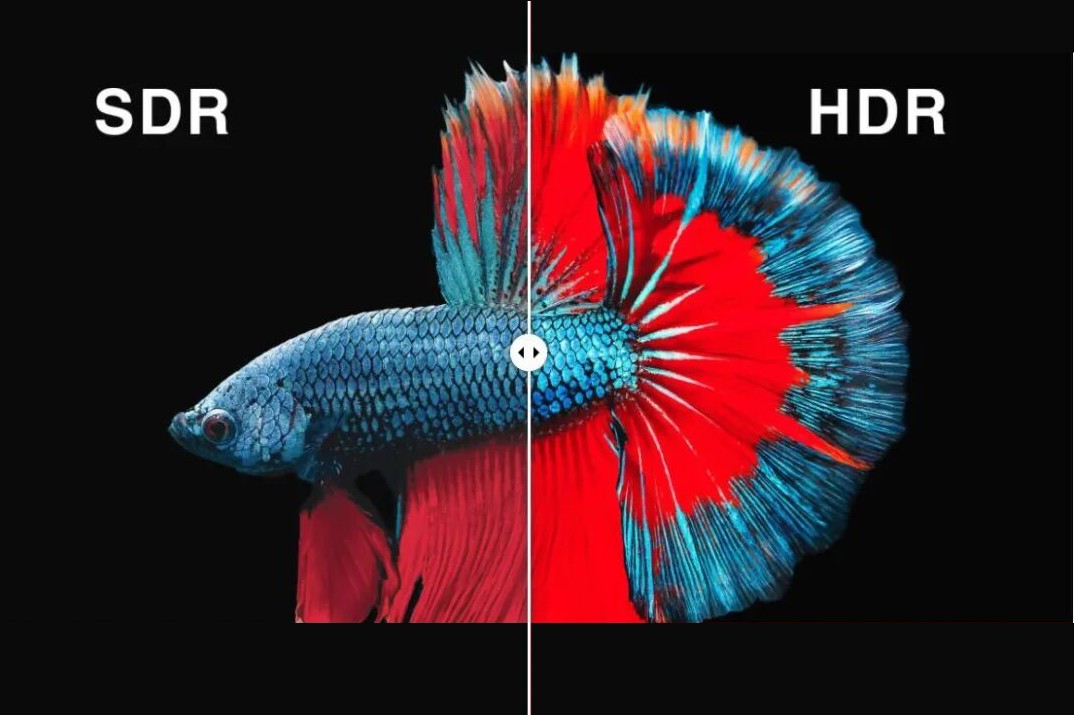
The introduction of HDR technology allows screens to present far more color gradations. If SDR can be seen as compressing the light and color of the real world, HDR acts as a "decompressor", restoring images to their true, lifelike state.
03. Why Isn’t My HDR Experience Living Up to Expectations?
In practical use, some users report that HDR fails to meet their expectations. The issue is not just with the screen itself—because HDR is not a standalone feature that works "with the flip of a switch".
Content Source: It Must Be True HDR Content
To deliver HDR effects, the content itself must be shot and produced to HDR standards. If a video file has a narrow dynamic range and dull colors, the screen can only faithfully reproduce that lackluster quality.
This is akin to playing an old VCD on a state-of-the-art Blu-ray player. When viewing non-HDR content, users simply cannot enjoy the benefits of HDR technology.
Ambient Light: Avoid Direct Glare on the Screen
HDR screens excel at displaying extreme contrasts between bright and dark areas, but excessive ambient light can severely undermine this high-contrast advantage.
Think of it like a home projector: direct light hitting the screen washes out the image, leaving it looking dull and gray. For this reason, professional ambient light management is essential when deploying HDR screens in retail environments—always avoid direct light exposure.

Display Device: Look for Authoritative Certification Levels
Supporting HDR is just the starting point. The real difference lies in certification levels.
There are numerous HDR certifications on the market, including HDR10, Dolby Vision, HDR10+, and VESA’s DisplayHDR 400/600/1000, among others. Higher certification levels mean better HDR performance, with stricter requirements for hardware parameters such as peak brightness and local dimming.
Some devices only support HDR decoding, but their actual display capabilities remain at the traditional SDR level. For example, many screens labeled as "HDR10-compatible" only have a peak brightness of 250 nits—far below the 400-nit requirement for true HDR400 certification—resulting in underwhelming performance.
Supporting HDR is merely a ticket to the game. To achieve consistent, high-quality HDR effects, three elements must work in harmony: content source, ambient light, and display device.
From a technical perspective, HDR has become a focal point because it addresses a key limitation of traditional display technology: its inability to mimic human visual capabilities.
Whether it’s reproducing colors or recreating light and shadow, HDR technology is forging a new visual language that aligns with the complexity of human perception. As the line between reality and virtuality continues to blur, HDR is laying the groundwork for a future where the two seamlessly merge.